Amazon Increases Frontline Pay as Retail Wage Competition Heats Up
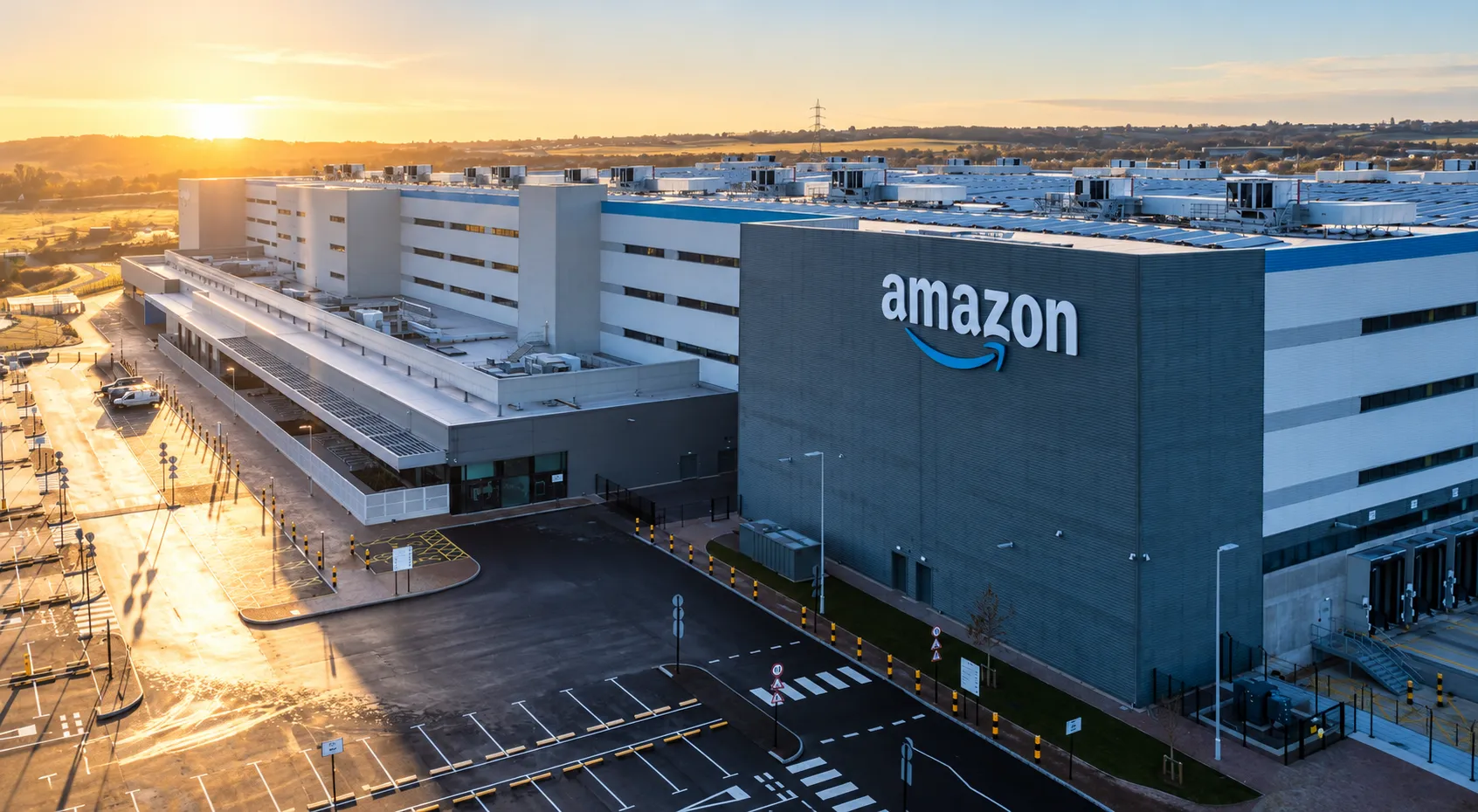
Amazon.com raised minimum starting pay for full-time US core operations workers to $20 an hour.
The $1 increase applies to front-line employees who sort, pack, and transport orders. Average wages across those roles now approach $24 an hour, while total compensation exceeds $32 once benefits are included.
The timing puts Amazon in a stronger hiring position ahead of its annual holiday rush. The company planned to add 250,000 full-time, part-time, and seasonal workers for the 2025 peak season.
The package stretches beyond wages
Amazon is also adding grocery and banking perks as it competes for hourly workers.
Starting Oct. 1, every US employee at Amazon can receive 10% off eligible groceries and essentials ordered online through Amazon and Whole Foods Market. The discount can also be stacked with existing Prime member savings.
Whole Foods employees will get a larger 20% in-store discount, covering prepared-food areas alongside other eligible purchases.
Amazon is also launching Day 1 Financial through First Tech Federal Credit Union for qualified employees and their families. Standard checking and savings accounts will carry no overdraft fees, monthly maintenance charges, or minimum-balance requirements.
Access will begin rolling out in late 2026 before expanding broadly in 2027. The benefits arrive alongside a $1.5B investment in higher pay for US core operations workers.
Amazon climbs the retail wage ladder
Amazon’s new wage floor places it near the upper end of major US retailers. Walmart starts hourly workers at $14, while Target lists a $15 minimum.
Costco Wholesale moved further ahead by raising its entry-level minimum wage to $20 an hour in 2025.
The package also follows a year of workplace pressure. Teamsters-backed strikes reached several Amazon facilities during the crucial December 2025 shopping period.
That same month, Amazon settled with the Occupational Safety and Health Administration and agreed to introduce ergonomic measures across its US facilities.
The wager is to spend more on workers now to make the logistics network less vulnerable when peak-season orders hit.