The Fed Just Hiked Rates for the First Time Since 2023. Here’s How to Position Your Portfolio
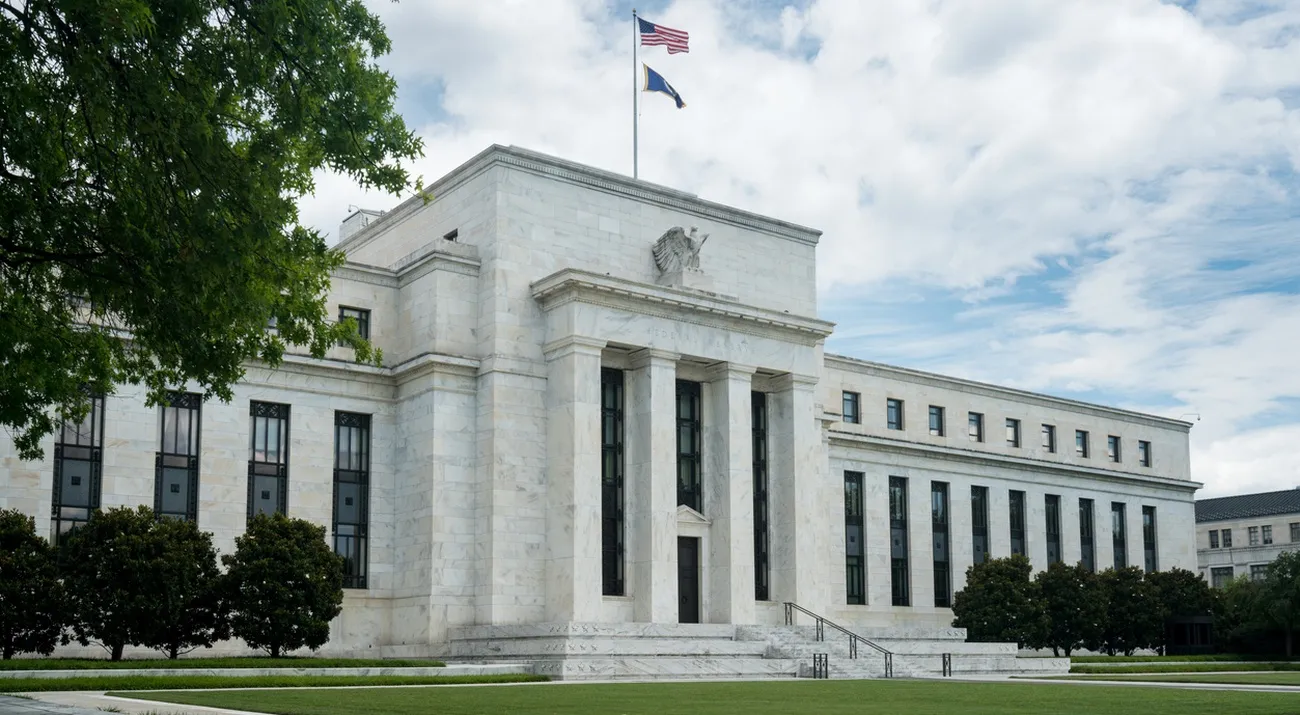
The Fed just raised the market’s price of money. Its first rate hike since 2023 is dividing companies that can earn more from costlier credit from those whose growth depends on cheap financing.
Higher rates split the board
The Federal Reserve lifted its benchmark rate by a quarter point to a range of 3.75% to 4%. The unanimous decision also left the door open to another increase later in 2026.
Banks could collect more interest from borrowers, while home builders face the opposite pressure as rising mortgage costs push more buyers out of the market.
Chair Kevin Warsh cast the hike as a move against inflation rather than a vote of confidence in growth. The goal is to keep higher energy costs from spreading through wages, services, and household expenses.
Warsh believes the economy can absorb the squeeze. That resilience gives the Fed more room to keep rates high even as debt becomes harder to carry.
Oil joins the rate trade
The Fed is not tightening in a vacuum. War in the Middle East has pushed fuel prices higher, renewing the inflation threat that officials are trying to contain.
The ProShares Equities for Rising Rates ETF has surged 36% in 2026. Major holdings include Marathon Petroleum, Valero Energy, ConocoPhillips, and Chevron, giving the fund a strong link to the oil rally.
Financials provide a second route into the same environment. JPMorgan Chase, MetLife, and Ameriprise Financial can capture more income as rates rise.
The fund also owns Nvidia and Alphabet, pairing its rate-sensitive positions with companies riding the AI investment boom. That mix gives EQRR more than one way to win while the market adjusts to tighter money.
Metals and megacap tech hold up
A shallow hiking cycle can still reward stocks tied to scarce assets and AI infrastructure. JPMorgan strategists screened for companies with exposure to commodities, crypto, and lower sensitivity to Treasury yields.
VanEck Copper & Electrification ETF offers one route into that theme. It owns Southern Copper, Freeport McMoRan, Albemarle, and MP Materials, which sit near demand for electrification and data centers.
Roundhill Magnificent Seven ETF gives concentrated exposure to Amazon, Microsoft, Nvidia, Apple, Alphabet, Meta Platforms, and Tesla. JPMorgan strategists said demand for compute capacity has been strong, while hyperscaler margins sit well above the broader market in their rate-cycle screen.
Crypto-linked equities also made the list. Coinbase, Robinhood, Bullish, and Circle Internet are held by ARK Next Generation Internet ETF.
Housing and travel face pressure
The other side of the rotation is more exposed to consumers. Higher yields can lift mortgage payments, credit card costs, and auto loan rates.
The Associated Press reported that the quarter-point increase could raise borrowing costs over time for mortgages, auto loans, and credit cards. The Fed's projections pointed to a possible second 2026 hike to about 4.1%.
That is why home builders need caution. Lennar, D.R. Horton, PulteGroup, and Toll Brothers are more vulnerable when buyers face higher monthly payments.
Travel stocks also sit in a tougher lane. Norwegian Cruise Line, Viking Holdings, Wyndham Hotels & Resorts, Southwest Airlines, and Delta Air Lines depend on discretionary spending.
Bonds confirm the shift
The sector signal is coming from bonds as much as stocks. CNN reported that the 10-year Treasury yield recently hit its highest level since 2007 before easing after the Fed acted as expected.
That move explains why you should avoid treating the stock market as one trade. Higher rates can punish long-duration growth stories, squeeze housing, and still support select energy, financial, metals, and AI infrastructure names.
If rates keep climbing, the winners are likely to be companies with pricing power, real-asset links, or direct benefits from wider interest margins.