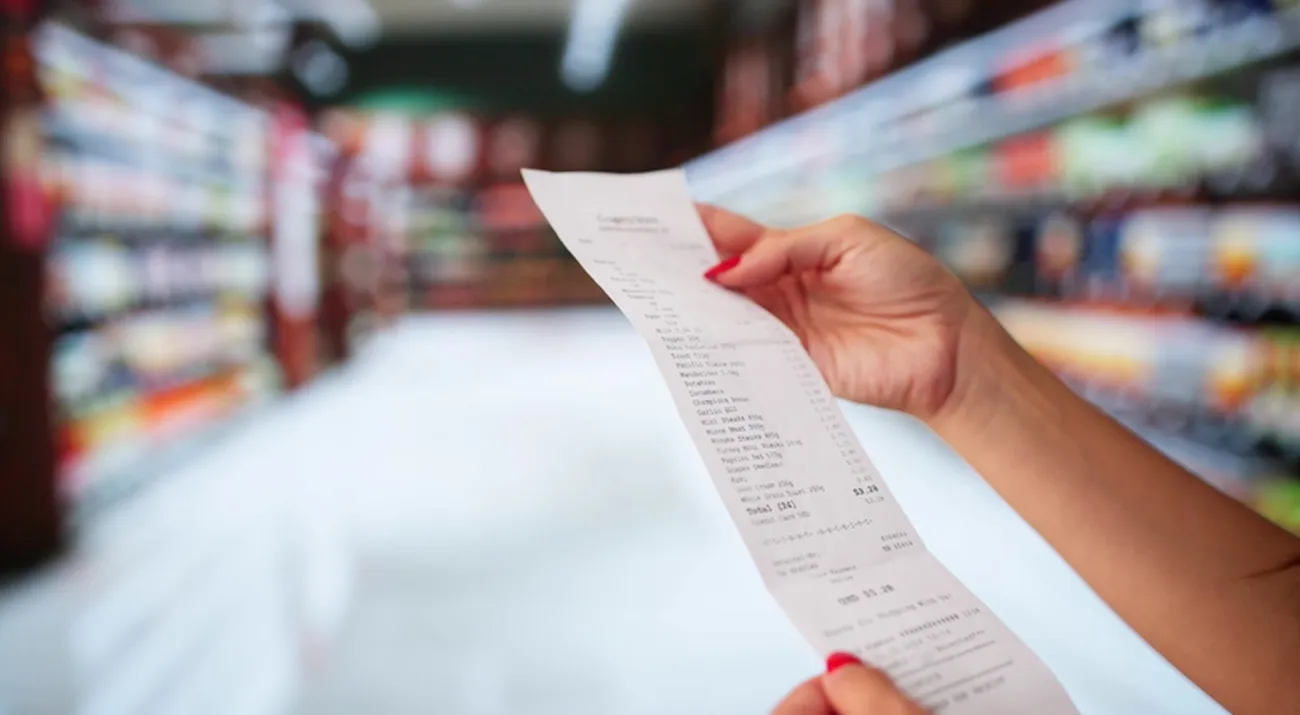
Senator Elizabeth Warren asked the US Department of Agriculture to reverse food-stamp policies that have pushed 5.2M people off benefits since July 2025.
In an Oct. 21 letter to Agriculture Secretary Brooke Rollins, the Massachusetts Democrat described a "one-two punch" of higher grocery prices and shrinking aid.
Her office built a "food misery index" totaling $22B in added household food costs, split between $17.2B in rising grocery prices and $5.1B in lost Supplemental Nutrition Assistance Program benefits.
Enrollment in the program now sits at its lowest level since 2019, and anti-hunger experts expect further declines as more rule changes phase in.
Food Insecurity Has More Than Doubled Since 2020
Share of US families reporting not having enough food, %. Lower-income figures are approximate. New York Fed analysis, May 2026.
- 2020
- 2026
Bar chart. All US families: 2020 4, 2026 10. Income under $50K: 2020 7, 2026 20.
The law behind the drop
The One Big Beautiful Bill Act, signed in 2025, expanded work requirements, tightened eligibility, and shifted more costs onto state governments.
Work-requirement waivers for veterans, homeless adults, and youth aging out of foster care disappeared, and the age ceiling rose to 64.
Parents whose youngest child is 14 to 17 are now subject to work rules too, and place-based waivers require a 10% local unemployment rate.
Hunger data is getting harder to track
The USDA halted its annual food insecurity study in 2025, calling the report redundant and costly.
A Federal Reserve Bank of New York analysis in May found 10% of US families said they didn't have enough food and children sometimes missed meals, more than double the 4% share in 2020.
Among households earning under $50K a year, almost 20% reported not having enough food, up from about 7% six years earlier.
The pullback also hits retail. In Massachusetts, the program accounts for 20% of grocery sales at 5.6K stores and generates roughly $3.5B in annual economic impact, with nearly 175K residents losing benefits.
National participation fell by around 5M between July 2025 and May 2026, the steepest decline in 30 years.
"These are going to be large, unprecedented dollar amounts added to state budgets."
Diane Whitmore Schanzenbach, Georgetown University
Changing the rules would require Congress to act, and advocates are now lobbying lawmakers to delay some of the law's SNAP changes.

