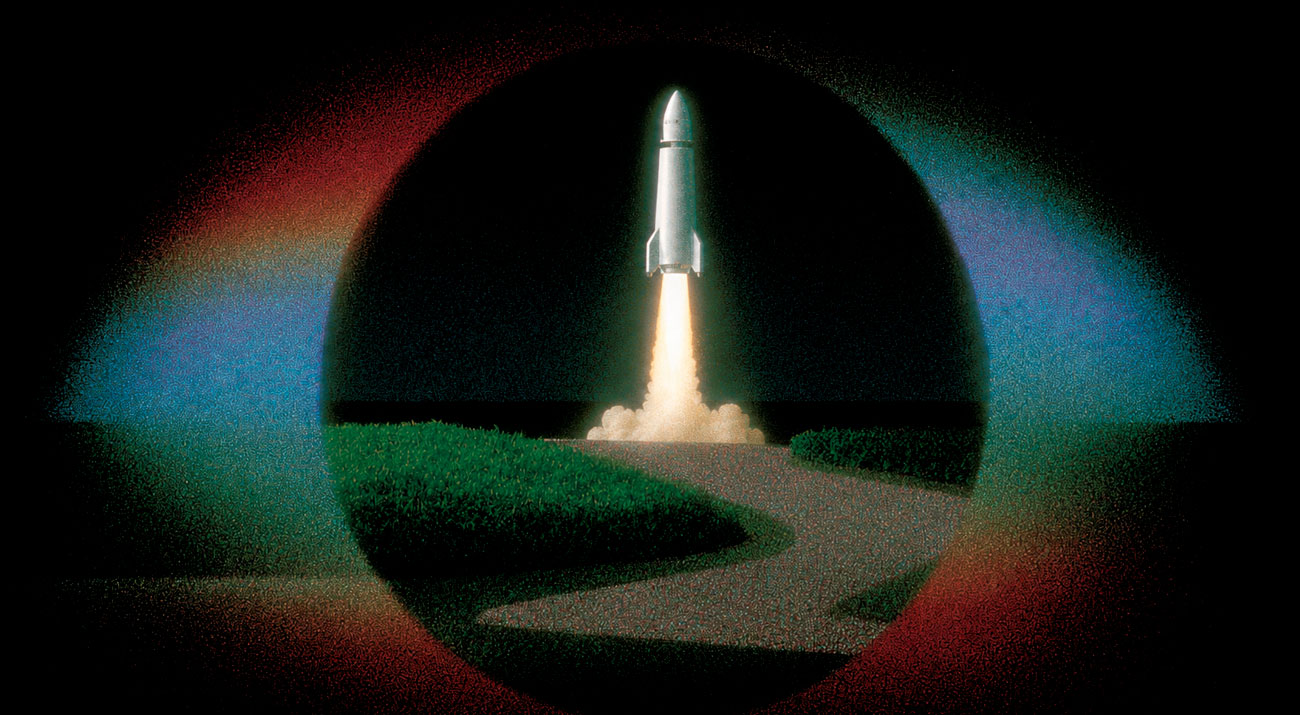
SpaceX is about to go to the moon — and Wall Street is already fighting over the seats. The company’s IPO, priced at $135 a share, is the largest in history and has attracted record demand. With trading set to begin today, the real question is what happens to the rest of the market afterward.
Checking out: Demand has been nothing short of frenzied. Retail investors requested ~3x their allotted shares, while total demand reached $250B for the $75B on offer. The enthusiasm has spilled into secondary markets as well, with SpaceX share futures on Hyperliquid trading around $165 ahead of Friday’s debut, implying a strong gain from the $135 IPO price.
- SpaceX is set to debut with a $1.77T valuation, instantly placing it among the 10 most valuable US companies.
- Wall Street is already gearing up, with 25 SpaceX ETFs filed and leveraged ETF assets surpassing $190B as of mid-May.
Houston, We Have Risks
Even amid the excitement, the risks are hard to ignore. SpaceX’s own S-1 warned the company “may not achieve” profitability — or sustain it if it does. While Starlink generated $11.4B in revenue in 2025, the company’s $12.7B AI spending spree more than offset those gains. Bloomberg Intelligence’s James Seyffart offered a similar warning on the surge in leveraged ETFs, calling them “power tools” that can be dangerous for investors who don’t understand them. And that's where the IPO’s ripple effects begin:
- A disappointing debut could lift telecom stocks such as Verizon, AT&T, and T-Mobile US by easing concerns about Starlink-driven disruption.
- A blockbuster IPO, meanwhile, could fuel short squeezes in heavily shorted space names like Intuitive Machines, Redwire, and AST SpaceMobile.
The first yardstick: As AgentSmyth put it, “A listed SpaceX does not validate the comps; it benchmarks them.” That could be a problem for space stocks that have soared ahead of the IPO. and Rocket Lab have each gained over 100% in the past year, yet both trade at richer valuations than SpaceX’s ~35x sales multiple. Today’s the day Wall Street finds out what’s really worth orbiting.

