US retail sales grew for the 12th consecutive month in September, according to the CNBC/NRF Retail Monitor released Oct. 8.
Total retail sales, excluding auto dealers and gas stations, reached $560.8B, up 0.28% from August and 4.05% from a year earlier on a seasonally adjusted basis.
Core retail sales, which also exclude restaurants, came in at $453.1B, up 0.27% month over month and 3.73% year over year.
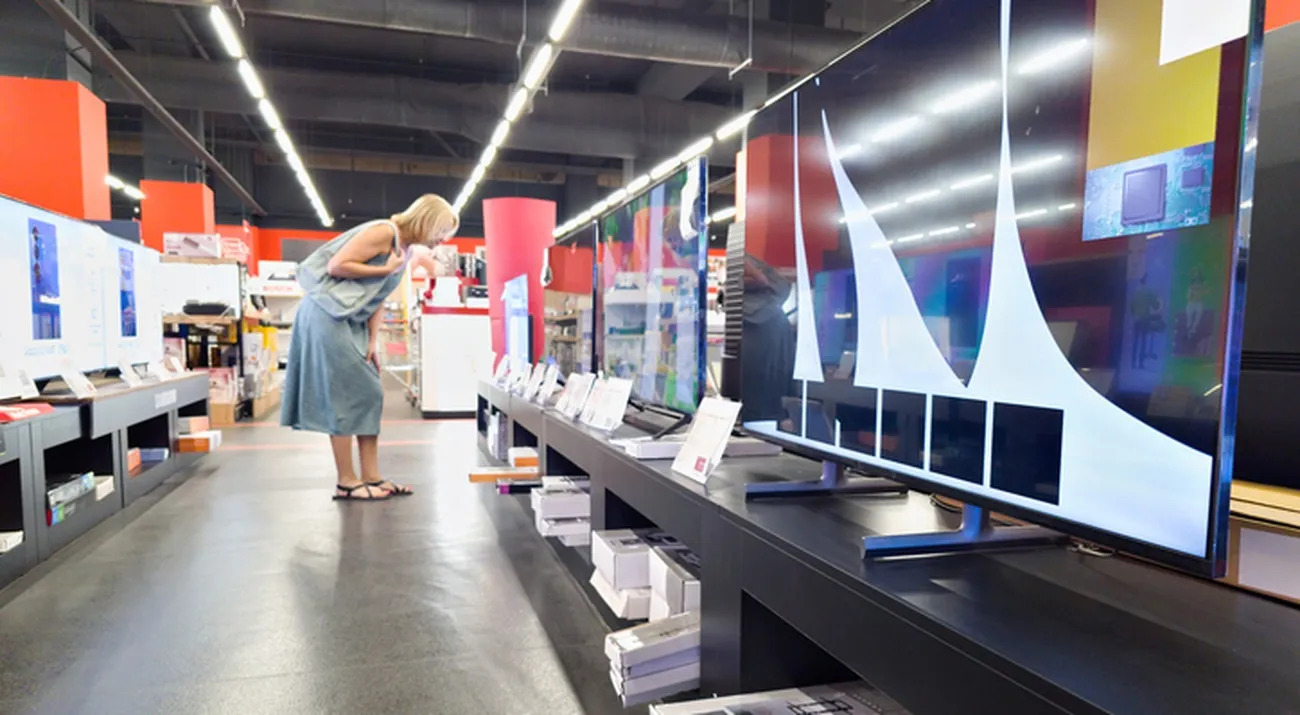
Electronics and appliances led all major categories with an 8.41% annual gain, with sales totaling $12.3B for the month.
Furniture was the only category to shrink
Home furnishings and furniture stores posted seasonally adjusted sales of $12.4B, unchanged from August and down 2.7% from a year earlier.
Every other major category recorded annual growth, showing that consumers continued spending even as demand varied considerably across different types of purchases.
The National Retail Federation credited a strong back-to-school shopping season for supporting sales, while warning that higher gasoline prices were putting additional pressure on household budgets.
NRF President and CEO Matthew Shay noted that households remained careful with their budgets and prioritized everyday necessities. Retailers responded with promotions and competitive pricing to appeal to value-conscious shoppers.
The data comes from card swipes
The Retail Monitor uses anonymized debit and credit card transactions collected in partnership with Affinity Solutions, rather than relying on consumer surveys.
September marked the full implementation of an updated methodology incorporating transaction data from roughly 120M cards.
That transaction-based approach provides another way to track consumer spending patterns, including which retail categories are attracting purchases and which are losing ground.
For investors, the contrast between electronics and furniture stands out. Electronics and appliance sales climbed 8.41% annually, while furniture and home furnishings declined 2.7%, making them the only major category to record a year-over-year drop.
The figures suggest consumers haven't stopped spending, but their purchases aren't benefiting every corner of retail equally. That distinction matters for retailers heading into the holiday shopping season, particularly those operating in categories where sales are already under pressure.
With September extending the growth streak to a full year, the next few Retail Monitor releases will help show whether consumer demand remains resilient through the holiday quarter.

