Zacks Cuts Southwest Airlines to Strong Sell as Jet Fuel Costs Squeeze Guidance
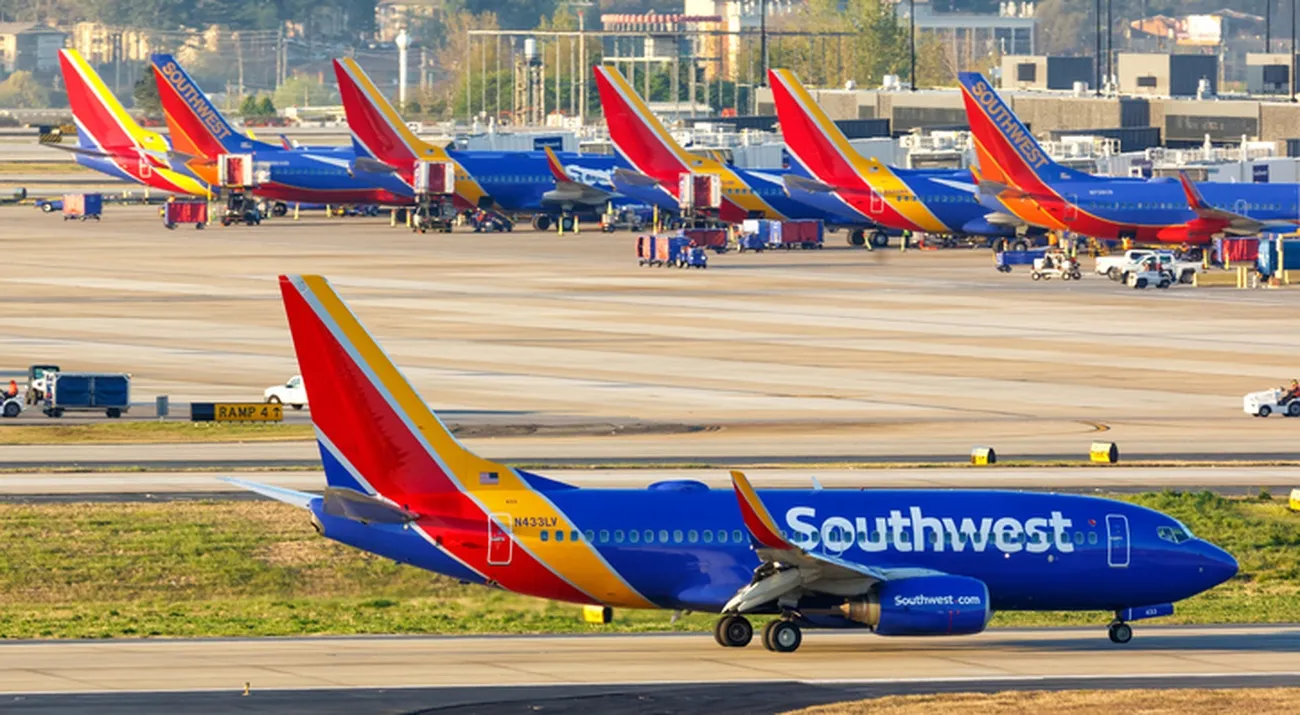
Zacks Research downgraded Southwest Airlines from hold to strong sell this week, as rising fuel costs and weaker near-term guidance clouded the airline's outlook.
Southwest expects third-quarter earnings of $0.50 to $0.75 per share, leaving investors concerned about how much higher operating costs could eat into profits.
The forecast was built around jet fuel costing between $3.70 and $3.75 a gallon, using market expectations from July 17. Oil prices have since moved higher, raising questions about whether those estimates still hold.
Fuel expenses are already taking a toll. Southwest spent nearly $900 million more on fuel in the second quarter than it did a year earlier.
Executives believe fare increases can eventually make up for much of that added expense. The problem is timing. With customers typically booking around two months ahead, Southwest cannot immediately adjust ticket revenue to match a sudden jump in fuel prices.
The quarter itself wasn't the problem
Southwest delivered adjusted second-quarter earnings of $0.94 per share, comfortably beating analysts' $0.52 estimate.
The airline also reported profit growth exceeding 9% from a year earlier, with stronger fares helping cushion the impact of more expensive fuel.
Management increased its full-year 2026 earnings outlook to $3.25 to $4.25 per share, compared with the previous analyst consensus of $2.97.
Its net profit margin stood at 2.78%, while return on equity reached 14.15%. Institutional investors owned 80.82% of the company.
Southwest is also changing how it makes money. Over the past year, the carrier has introduced assigned seats, more spacious seating options, baggage charges, and upgraded offerings as it looks to generate additional revenue from passengers.
Fuel is shrinking the flight schedule
Southwest initially expected to increase capacity by around 2% to 3% in 2026. Higher fuel expenses forced the airline to reduce that planned expansion by approximately half, according to CFO Tom Doxey.
Other major carriers are pulling back too. American and United are reducing flights in December, with United CFO Mike Leskinen explaining that certain routes no longer make financial sense when fuel is this expensive.
Travelers are already facing higher holiday fares. Average domestic round-trip tickets cost $402 for Thanksgiving, a 31% annual increase, while Christmas fares average $452, up 23%.
Spirit Airlines' May 2 shutdown has also taken another low-cost competitor out of the market.
Wall Street remains divided on Southwest. Nine analysts recommend buying the stock, nine suggest holding, and four advise selling. The average recommendation is hold, with a $47.45 price target.
Recent analyst revisions reflect that disagreement. TD Cowen lowered its target to $47 while maintaining a buy rating, and BMO Capital Markets reduced its forecast to $50 with an outperform rating.
UBS took the opposite direction, raising its target to $53 and retaining its buy recommendation. Bank of America, meanwhile, maintained its sell rating amid concerns that expensive oil could continue squeezing airline profitability.
Southwest's next earnings report will show whether its higher fares and revamped business model can keep pace with the fuel bill. Strong earnings last quarter were encouraging, but investors still need evidence that those gains can survive another round of rising costs.

