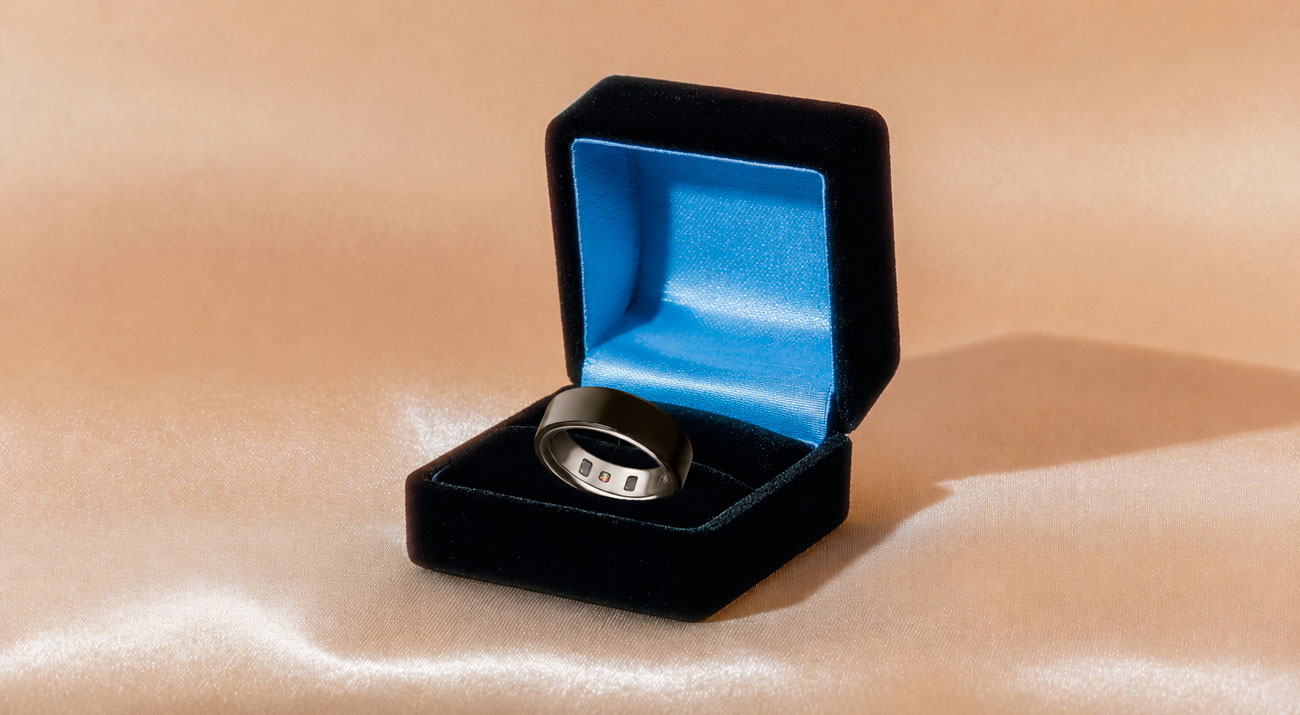
The wearable tech that tracks your sleep can’t protect you from an IPO hangover. Oura and Whoop are racing toward public listings as demand for health-tracking devices continues to climb, with both companies carrying private valuations near $10B–$11B. The opportunity is clear, but investors may find the entry price harder to justify.
Déjà vu warning: Both companies are valued at roughly 10x revenue, a multiple that leaves little room for error. Fitbit once commanded similar valuations before being acquired by Google for about $2.1B, or less than 2x revenue, in 2021. The pressure is only increasing, with health-tech analyst Stephanie Davis warning that direct-to-consumer brands face “punishingly high customer-acquisition costs,” making scale far less profitable than it appears.
- Oura became the third-largest US wearable brand by unit volume in Q1 2026, behind Apple and Google, though IDC expects smart-ring growth to plateau by 2028.
- Google is undercutting Whoop with Fitbit Air, which costs $99.99 upfront and offers an optional $10/month subscription, vs. Whoop’s $200-a-year membership model.
The Wearables Gold Rush
For investors seeking wearable-health exposure, public markets offer cheaper alternatives with proven track records. Garmin trades at ~5–6x revenue, about half the multiple of Oura and Whoop, with its fitness segment revenue jumping 42% year-over-year in Q1 2026. On the medical side, iRhythm Technologies has deployed its Zio cardiac monitor to 12M+ patients, building a database of over 2B hours of heart-rhythm data.
- Garmin generated $7.5B in annual sales with a 26% operating margin and 14% quarterly growth, yet trades at around half Oura’s revenue multiple.
- iRhythm grew Q4 revenue 27% YoY, with Needham’s David Saxon assigning a $254 price target that implies ~109% upside.
The smarter play: As Northland’s Gus Richard puts it, “We believe wearable AI-enabled technology is in the early stages of mass adoption.” The wellness trend fueling Oura’s growth isn’t going away, but the opportunity extends far beyond smart rings. With wearable tech already a $140B market, the more durable returns may come from companies supplying the hardware, data, and chips that power the ecosystem.

