Health Trackers Oura and WHOOP Spar With Amex and Chase Card Partnerships — Are They Worth a Look?
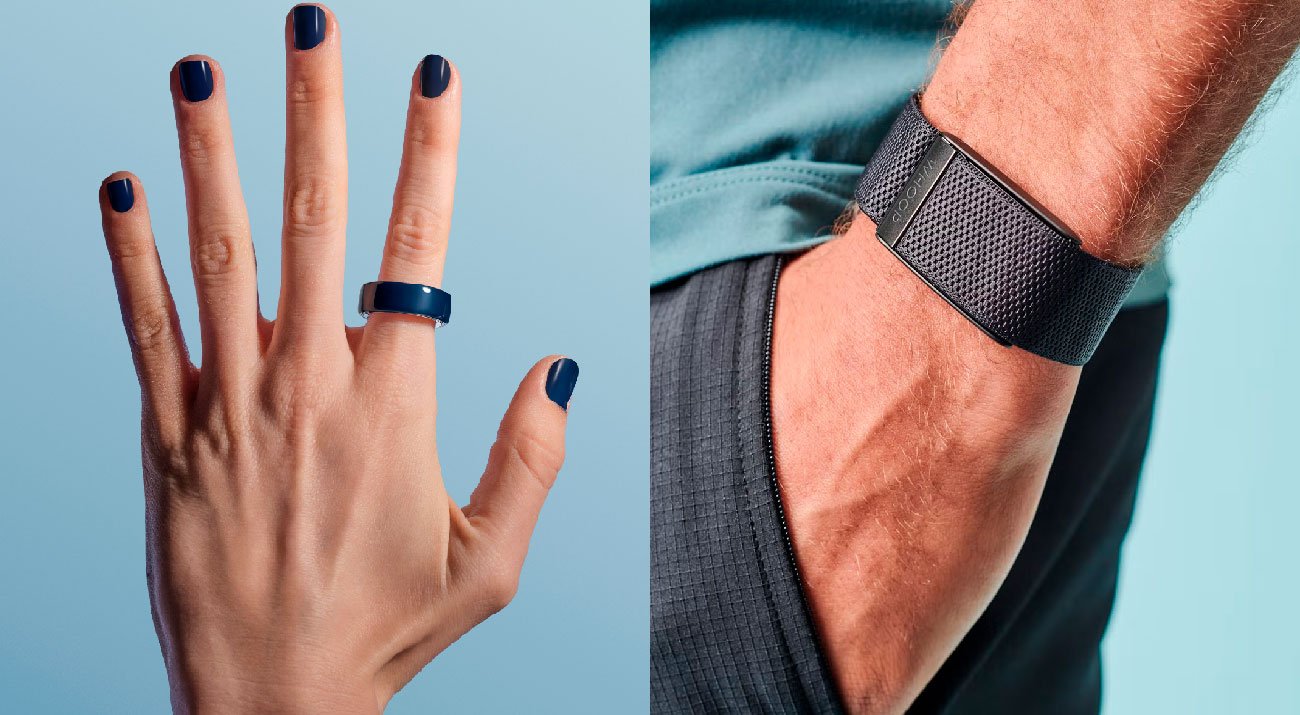
Health trackers are fighting for room on your wrist, finger, or arm — and they’re coming to a credit card near you.
Several months back, when American Express refreshed its flagship Platinum card, one overlooked perk was a credit for an Oura ring — a smart fitness ring that tracks sleep, workouts, and stress. Turn the page, and Chase is now adding its own health-tracking partnership with WHOOP, a wearable that touts many of the same features.
What do health trackers have to do with premium credit cards? Not a whole lot — but we examine whether these “benefits” make any sense.
Wellness as a credit: Health wearables like Oura and WHOOP purport to have an edge in wellness tracking — not just logging workouts, but collecting data to passively monitor your well-being. It’s a great pitch (and plays well with Millennials and Gen Z deep in “wellness culture”). However, they have a big drawback — they’re pricey, especially next to smartwatch options like the Apple, Samsung, and Google watches. That’s where premium cards step in.
- Premium cardholders are a quietly affluent audience with money to spend, and these credits are the acquisition play — a nudge to pull you into a new ecosystem.
- They’re taking different approaches to win you over: Oura’s $200 credit is basically a discount on the ring hardware, while WHOOP’s offer leans on giving you a year of the product to try to build a longer-term habit (and subscription).
Health Hell
Whether this perk makes sense depends on whether you want to develop a relationship with a subscription product. Maybe there’s some consolation that these can be FSA/HSA eligible, meaning you may be able to use health dollars to cover hardware or a subscription. But having used these products, I’m not convinced these offers are “benefits” you can learn to rely on.
- Unless you’re an avid trainer (or a pro athlete type) who truly wants granular health analytics, this feels more like a nice-to-have — and perhaps that’s why they’re marketing it to affluent consumers.
- If you’re curious and already have a Chase Sapphire Reserve, paying the taxes and trying WHOOP could be fine — but I’d personally skip the Amex Oura credit — it nudges you into ongoing monthly spending.
The takeaway: Consider that you’re feeding gobs of health data directly to health companies, and both WHOOP and Oura have already had their controversies. I don’t doubt there are wellness heads who love this stuff, but if you’re going to carry a computer anyway, a smartwatch often looks like the better play. And ultimately, I’m increasingly taken aback by how much people will pay to learn whether they’re tired, sick, or sleeping. Maybe I’m wrong, but some of this feels self-explanatory.

