The Internet’s Memory Loss: 38% of Web Pages from 2013 Have Vanished
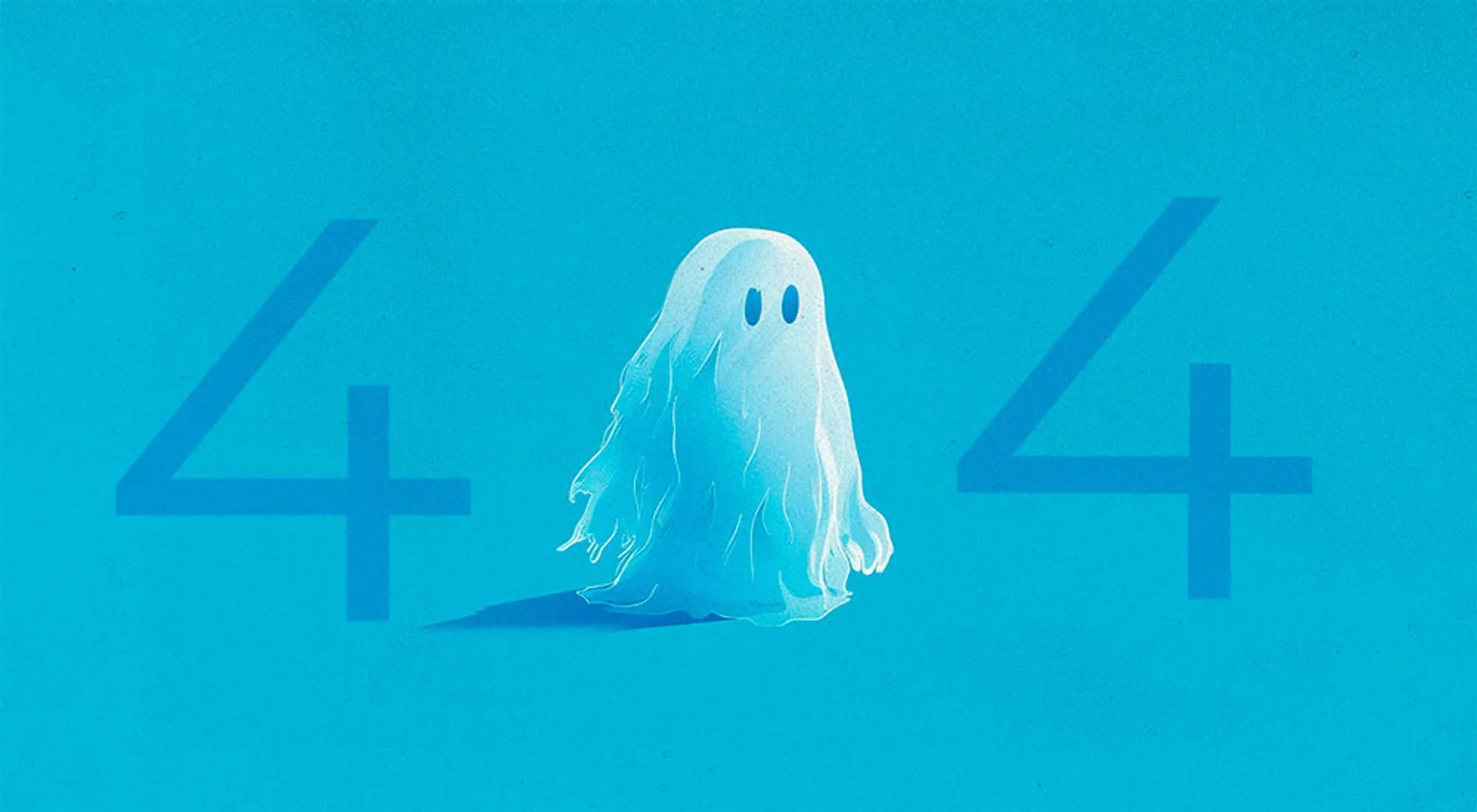
They say the internet lasts forever, but our digital past is fading faster than we can preserve it. A recent study by the Pew Research Center found that over one-quarter of web pages created between 2013 and 2023 have disappeared, with 38% of the oldest pages gone for good.
This isn’t just about losing a few memes or broken links; it’s a widespread issue called “digital decay” — the gradual erosion of online content. And it’s affecting how we access information across different areas:
- Wikipedia: 54% of pages have at least one reference link that leads to a dead end.
- News sites and government pages: Even critical sources aren’t immune from digital decay — as just over 20% of these pages currently contain at least one broken link.
Gone but never forgotten: As more websites vanish, we’re looking at a future with fewer online resources. And with people increasingly relying on AI for searches and visiting websites less, fewer new sites will be created — and existing ones might shut down due to a lack of visitors and ad revenue. This isn’t just an inconvenience; it’s a loss that could erase important parts of our culture, history, and scientific knowledge. So, bookmark this newsletter (while you still can).

