Trump's Iran Ceasefire Comments Shake Markets. Here's What Investors Need To Know
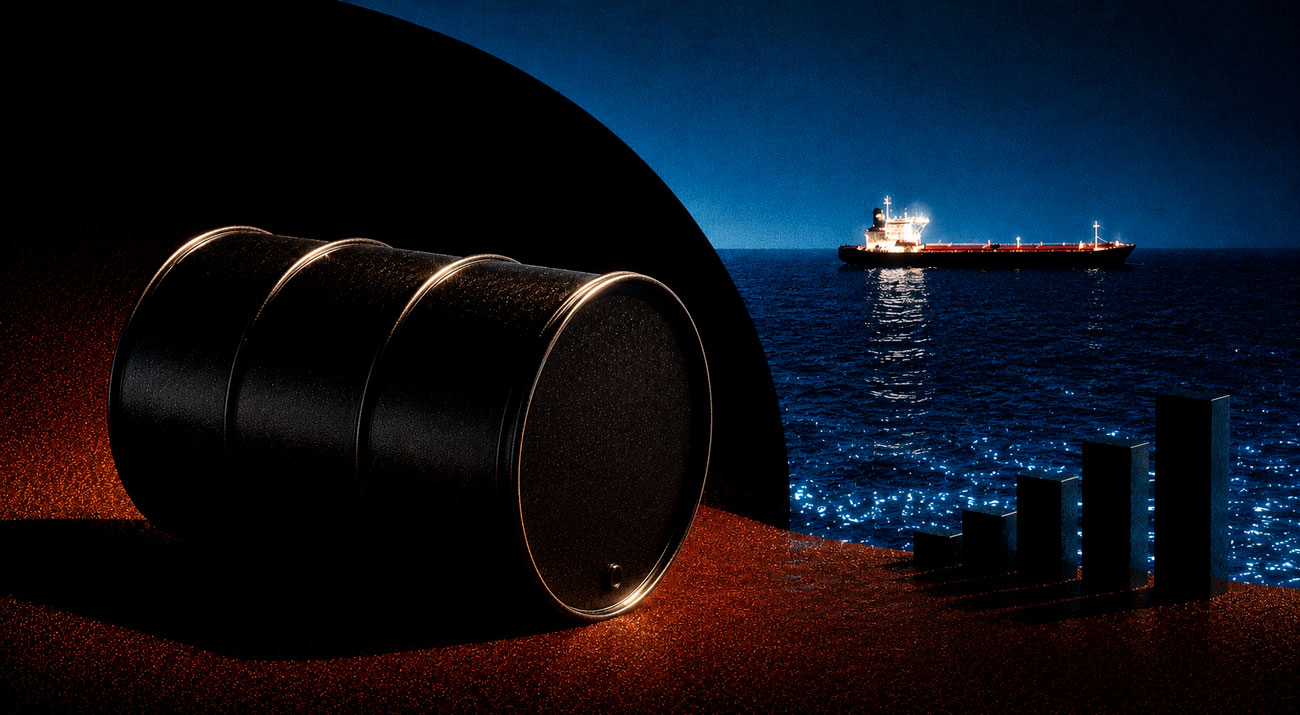
On July 8, Trump told reporters at the NATO summit in Ankara that the US ceasefire with Iran was "over." That declaration sent oil prices surging, stocks tumbling, and inflation fears rushing back into markets that had only recently calmed down.
What actually happened
The breakdown didn't come from nowhere. Three ships were attacked near the Strait of Hormuz in the days prior. The US responded by striking more than 80 targets inside Iran and revoking a sanctions waiver that had allowed Iranian oil to flow into global markets.
Iran's Foreign Ministry said those actions made last month's interim peace deal "ineffective." Trump then declared the ceasefire finished at the NATO summit, saying negotiations were "a waste of time."
The interim deal, signed in mid-June, had two core pillars: an end to attacks on commercial shipping and the US waiver on Iranian oil sales. Both are now gone.
Oil enjoys a boost
Oil prices spiked, with Brent climbing to $80 per barrel in response to Trump's comments. US crude jumped to nearly $76, its largest single-day move since early June. Wholesale gas futures rose 6%.
The Strait of Hormuz is the flashpoint. Iran has insisted ships can't transit the waterway without its permission.
Trump threatened to reimpose a naval blockade and floated the idea of US forces taking over Kharg Island, a major Iranian crude export hub.
Gasoline prices had retreated from $4.56 in May to $3.79, but that decline has now reversed. AAA data shows pump prices have halted their downward slide.
Markets enter the selloff phase
Equity markets tumbled across the board: both the S&P 500 and Nasdaq declined over 1%, while the Dow slid more than 800 points on the day.
European indexes also sold off, with Spain's benchmark down more than 2% and major indexes in Germany, France, Italy, and the UK each falling around 1.5%.
Airline stocks led the selloff, with United Airlines, Delta Air Lines, and Southwest Airlines all declining. Travel names also came under pressure, including Booking Holdings and Carnival.
Bond yields moved higher, with 10-year Treasuries reaching levels not seen since May as inflation concerns resurface.
"Renewed tensions in the Middle East have interrupted what had become an increasingly complacent market narrative, prompting investors to reassess geopolitical risks after several weeks of pricing in a smooth path toward de-escalation."
Daniela Hathorn, Capital.com
The AI trade took a separate hit on top of the Iran shock. Higher oil prices feed inflation fears, which push up interest rates, which raise the cost of borrowing for companies spending heavily on AI infrastructure.
Emerging-market currencies also weakened broadly, with the Mexican peso and South Africa's rand among the notable decliners. A gauge tracking EM equities fell for a third straight session.
The inflation problem isn't going away fast
The IMF warned that the Iran conflict will leave an inflation scar on the US economy through 2027. Inflation has been re-accelerating, climbing from a low of 2.3% in early 2025 to as high as 4.1% in May, before the latest Middle East tensions added fresh pressure.
The IMF doesn't expect inflation to approach the Fed's 2% target until the end of 2027, and that forecast assumes the war ends.
The IMF projects US GDP growth of 2.3% in 2026 and 2.2% in 2027, broadly unchanged from prior forecasts. The global economy has weathered the energy shock better than feared, partly because economies are less energy-intensive than they used to be, the IMF noted.
Not everyone is pessimistic on equities. Memory chip stocks Micron, Sandisk, and Western Digital trimmed losses mid-session as dip buyers stepped in.
Fundstrat's Tom Lee called the pullback a buying opportunity for AI-related stocks. Whether that view holds depends heavily on what happens next in the Strait of Hormuz.

