NATO allies announced at least $50B in defense contracts as the US proposed a record $1.5T Pentagon budget for fiscal 2027.
NATO Secretary General Mark Rutte unveiled the deals at a defense industry forum in Ankara, framing them as proof that Europe is heeding President Trump's demands to spend more.
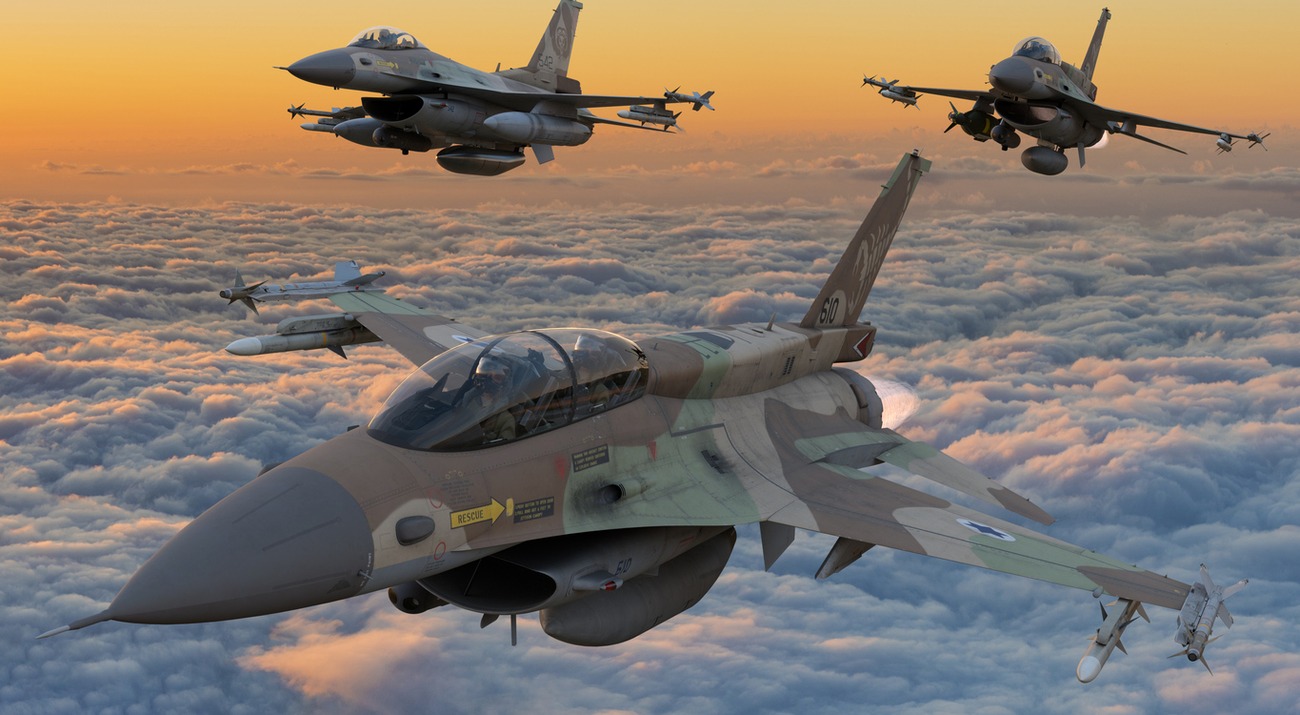
The package includes $12B in contracts covering next-generation drones, surveillance planes, and military aircraft.
Eleven NATO countries agreed to a $5B deal to buy airborne radar-detection systems from Swedish aerospace firm Saab AB, replacing a Boeing model.
Denmark, Finland, Germany, and Norway will spend $2.7B on up to five Northrop Grumman Corp. Triton surveillance aircraft.
Seven allies committed $4.3B to buy Airbus SE A400M military transport aircraft. Allies also pledged to invest more than $40B in counter-drone capabilities over the next five years.
A new bank for weapons financing
The summit also saw the launch of the Defense, Security and Resilience Bank, a proposed multilateral lender modeled on the World Bank and designed to funnel financing to defense contractors that commercial banks have historically avoided.
Canada, Luxembourg, Turkey, Ukraine, and five other countries announced the bank's founding. Canadian Prime Minister Mark Carney has been its lead advocate.
"Finance is no longer just an economic issue — it's part of deterrence," said Rob Murray, former British Army officer and the DSRB's conceptual architect.
The bank would leverage sovereign credit ratings to raise capital at a triple-A rating, then lend directly or provide guarantees to commercial banks financing military suppliers. Organizers say the US and Germany may eventually join, though neither signed on at founding.
Defense stocks and the AI battlefield
The iShares Aerospace Defense ETF hit its first intraday record high in four months recently, lifted by advances in GE Aerospace, RTX, and Howmet Aerospace.
The Pentagon awarded Lockheed Martin a $35.3B multiyear contract to manufacture THAAD missiles and RTX a roughly $400M contract for medium-range air-to-air missiles.
General Motors signed a multibillion-dollar deal with Lockheed Martin to expand production of critical weapons components, and Ford has begun pursuing defense contracts from US and European governments.
Palantir Technologies recently had its Maven battlefield AI software designated a permanent program of record by the Pentagon.
Private company Anduril Industries, valued at $61B in the private market, holds a 10-year, $642M contract to supply AI-powered surveillance equipment to the US Marine Corps.
The NATO summit context makes clear that allies are shifting from budgetary pledges to actual procurement, a transition that alliance analysts say is far from complete.

