Data Center Stocks Face a Growing Backlash That Wall Street Is Starting to Price In
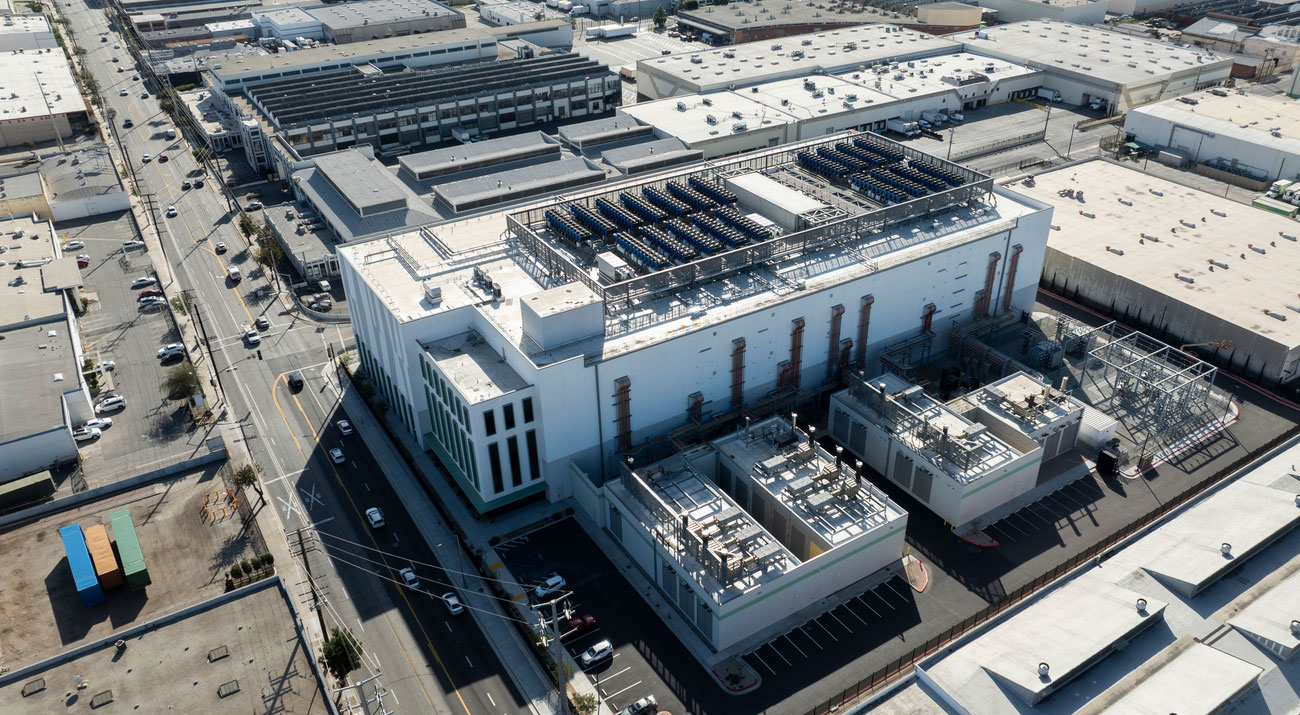
The AI data center backlash is no longer a fringe concern. In Q1 2026, 75 data center projects worth $130B were blocked or delayed by local opposition. That matched the total for all of 2025. The pace of resistance is accelerating, and it's starting to show up in company risk disclosures and earnings calls.
The scale of opposition
A Reuters/Ipsos poll conducted in June found 44% of Americans oppose data center construction nationally. When asked about their own community, 57% opposed it and only 14% supported it.
A Gallup survey released in May put opposition even higher, at 71% of Americans opposing data center construction in their area, with 48% strongly opposed.
That level of public sentiment has real consequences. Lawmakers in Arizona, Illinois, and Ohio have recently restricted or ended tax incentives for data center construction. New York Gov. Kathy Hochul is considering signing a statewide moratorium into law.
The biggest project just died
The clearest sign that opposition can kill even the largest deals came on July 2. Blackstone-owned QTS Realty Trust withdrew its appeal to the Virginia Supreme Court, ending a three-year legal fight over the Prince William Digital Gateway.
The planned 2,100-acre campus near Manassas National Battlefield Park would have been the largest data center complex in the world, with an estimated $100B price tag.
The Virginia Court of Appeals had voided the original 2023 rezoning approval over a procedural defect in public notice requirements. Co-developer Compass Datacenters had already dropped its appeal in April.
For Blackstone, the collapse of one project does not change the firm's overall position. It still manages a data center portfolio worth more than $150B globally and recently raised $1.75B by taking its acquisition vehicle public on the NYSE.
But the outcome shows that even well-capitalized developers can lose once local opposition organizes and legal processes run their course.
Water use is adding fuel to the fire
Noise and power costs have driven most of the headlines, but water consumption is emerging as a separate fault line.
Tech companies including Microsoft, Alphabet, and Amazon publish annual sustainability reports that include on-site water use at their data centers.
Only Meta also counts indirect water use at the power plants supplying electricity to its facilities. In the US, indirect water consumption for data centers has historically been about 12 times the direct amount, according to a 2024 analysis by Lawrence Berkeley National Laboratory.
Meta's indirect water use was 19B gallons in 2024, more than 20 times its direct use. Google's direct water use alone hit 10.9B gallons in 2025, a 34% increase from 2024.
A 2025 analysis from sustainability nonprofit Ceres found that by 2031, data center water demand in Phoenix alone could exceed 20% of the city's annual water supply.
About two-thirds of new US data center construction is in water-stressed areas, according to analyses by the Guardian and Bloomberg.
What it means for stocks
The backlash creates uneven risk across the sector. Analysts at D.A. Davidson note that companies like Microsoft, Google, and Amazon have global footprints that let them redirect investment when a specific project is blocked. Smaller hyperscalers lack that buffer.
CoreWeave is facing opposition to a 250-megawatt project in Kenilworth, NJ. That project represents roughly a quarter of the company's active capacity today.
"The smaller AI clouds are small enough, and have projects that are big enough, that losing a few projects is material."
Gil Luria, D.A. Davidson
Utilities are a different story. Morningstar analysts forecast that electricity demand from data centers will quadruple by 2030 and grow sixfold by 2035.
They see the recent pullback in utilities stocks as a buying opportunity, with top picks including American Electric Power, DTE Energy, and Alliant Energy.
For investors who want data center exposure without direct project risk, utilities may offer a cleaner entry point.

