The Video Game Industry's Digital Future Is Arriving Faster Than Expected
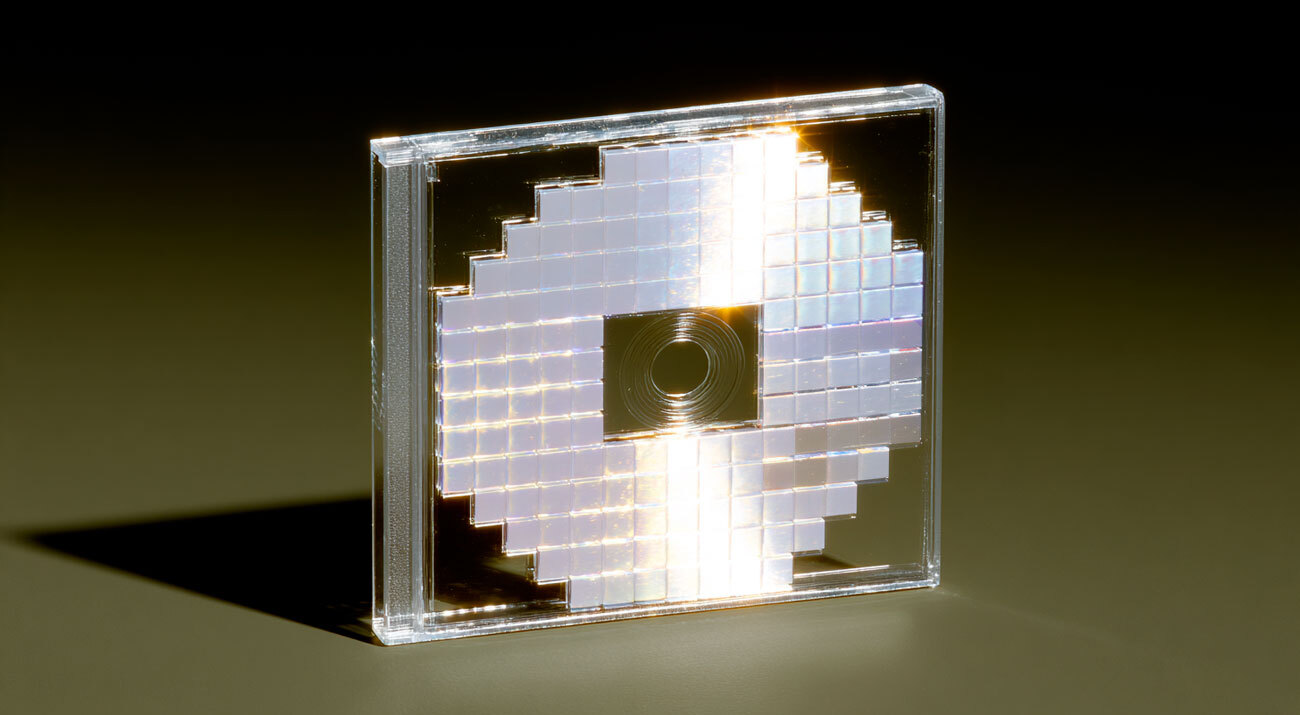
The video game industry is completing a transition that music and film already finished. Sony confirmed it will end disc production for all new PlayStation titles starting Jan. 2028, accelerating a structural shift that's been building for a decade.
Physical sales are already near zero
Spending on physical games peaked at $11.6B in 2008. By 2025, that figure had fallen to $1.5B, the lowest since market research firm Circana began tracking it in 1995.
Sony's own data illustrates how decisive the shift has been. When the PS4 launched, fewer than 10% of game sales were digital. By the latest fiscal year, ~80% of full-game sales on PlayStation were digital.
Other publishers show the same pattern. Capcom (maker of Resident Evil and Monster Hunter) reported 93% digital sales this year.
Electronic Arts posted $528M in full-game downloads against just $81M in packaged goods in its latest reporting period.
Nintendo saw digital sales rise 25% year-over-year, with downloads now making up 54.6% of its total software sales.
Why the economics favor digital
Publishers earn higher margins on digital sales by cutting out manufacturing, packaging, and retail middlemen. They can also update games more flexibly without the lead time required to press and ship discs.
Analyst Daniel Ahmad put the business case plainly: Sony's decision is designed to cut costs, eliminate the used game resale market, and route 100% of revenue through the PlayStation Store.
Grand Theft Auto VI offers a glimpse of where the industry is headed, with retail boxes containing download codes instead of discs.
That model is already in motion. Rockstar Games is launching Grand Theft Auto VI on Nov. 19 with no disc version. Retail boxes will contain a download code instead.
Microsoft is watching and moving
Microsoft hasn't formally announced a disc-free next-generation Xbox. Its next console is codenamed Project Helix, but the company is testing a Disc2Digital feature internally. The feature converts physical Xbox One and Xbox Series X/S discs into digital entitlements tied to a user's account.
According to The Verge, references to "enable Disc2Digital" were found in the Xbox PC app's code in May, suggesting Microsoft is exploring a way to support existing physical game libraries.
Microsoft hasn't committed to a disc-free Project Helix. But with Sony targeting an all-digital future by 2028, the pressure to keep pace is growing.
Where the sector stands for investors
The gaming industry's digital transition mirrors what happened in music and film. Streaming now accounts for 84% of US music revenue, while physical video accounts for under 4% of home video revenue. Gaming is catching up fast.
Digital game sales generally carry higher margins than physical retail because they eliminate manufacturing, packaging, and distribution costs.
Nintendo is the outlier. Digital downloads account for 54.6% of its software sales, well below Sony's roughly 80%. But its digital sales still grew 25% last year, and the trajectory is consistent with the broader industry.
The disc is retiring, and publishers that shift fastest toward higher-margin digital sales stand to benefit the most.

