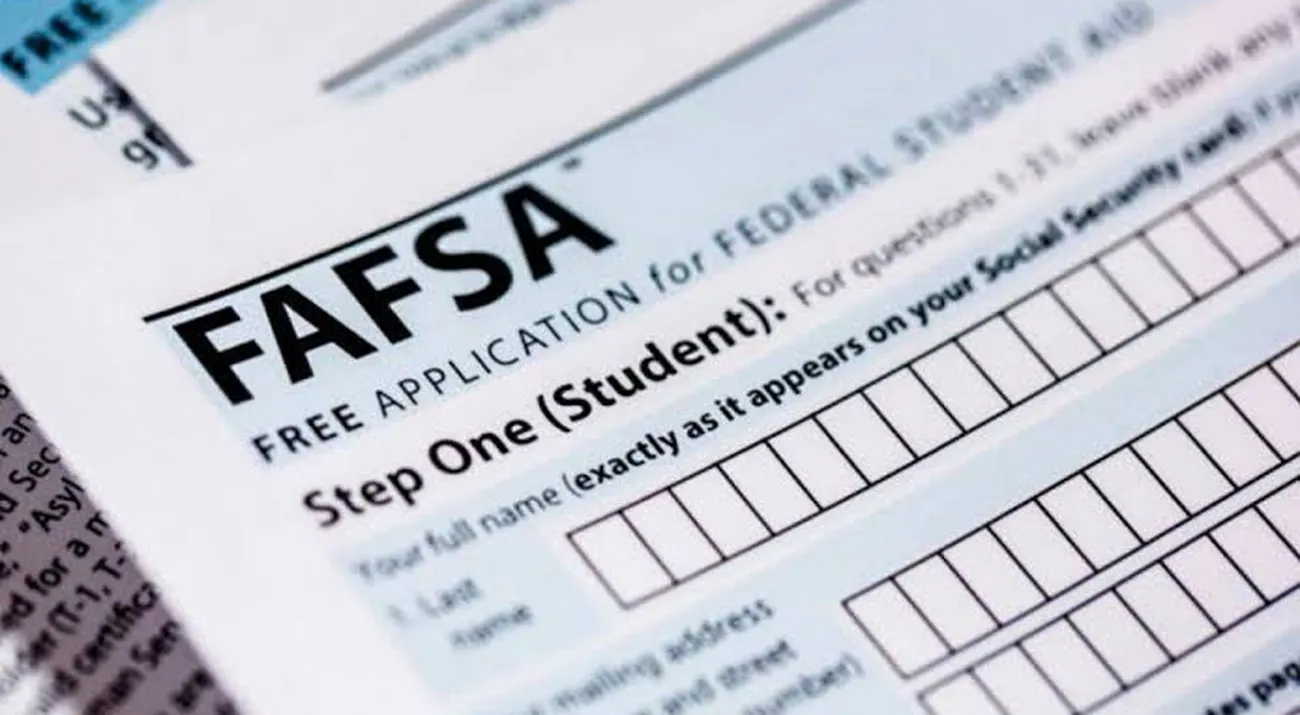
College can wait until next fall. The scramble to pay for it has already started. The 2027-28 Free Application for Federal Student Aid opened Sept. 23, eight days ahead of the usual Oct. 1 date.
It’s the earliest launch in the program’s history for the second year running, and the form is available now at FAFSA.gov.
Filing early can mean more aid
Getting the paperwork out of the way early can mean more money to work with. Some aid goes to the first applicants who qualify, while other programs have a limited pot to spread around. States and colleges use the FAFSA’s income and asset information to put together their own offers, too.
Those funds can run out while applications are still open. Waiting could leave a student eligible for help that’s no longer available.
Grants are especially worth pursuing because they typically don’t have to be repaid. That includes the federal Pell Grant for students from low-income households. An earlier application also gives families more time to work out what they can afford.
"The biggest advantage of the FAFSA opening early this year is how quickly students and families can get a sense of what aid they might qualify for."
Rick Castellano, Sallie
Less paperwork for the same application
The old FAFSA could take more than an hour to complete, followed by up to three days of processing. Some families can finish the revamped version in 15 minutes, with eligibility results arriving in real time.
The changes tackle several familiar headaches. Questions use less jargon, new StudentAid.gov accounts get instant verification, and students can invite a parent or spouse to contribute information by text as well as email.
Parents filling out forms for multiple children can reuse their information instead of typing it all again. Returning students will also get forms prefilled with data from previous applications later this fall.
There’s more information about the schools themselves, too. The form flags whether a school’s graduates earn less than a high-school graduate. Behind the application, the Education Department says its fraud detection system has saved taxpayers more than $2B since January 2025.
New limits on federal borrowing
An early opening is a welcome change from the FAFSA’s recent record. The 2023 launch slipped to Dec. 30.
The next rollout happened in stages and didn’t reach everyone until late November 2024, delaying aid offers and admission letters and squeezing families’ decision time.
Congress responded with the FAFSA Deadline Act, signed in 2024, which requires an Oct. 1 release each year. Education Secretary Linda McMahon certified on Aug. 25 that this year’s form would be ready on time.
Families have another reason to get their numbers sooner. Provisions in President Donald Trump’s “big beautiful bill” now cap federal borrowing for college and graduate school and change Pell Grant eligibility.
That means an older sibling’s aid package may be a poor guide to this year’s bill. Families need to see what grants cover, how much they can borrow, and what’s left to pay themselves.
Check the deadlines that come first
The federal filing deadline for 2027–28 is June 30, 2028. Anyone still applying for 2026–27 has until June 30, 2027. Neither date tells you how long your state or college will keep its own aid available.
State grants and scholarships often close earlier. FAFSA.gov lists state deadlines, while each college’s financial aid office or website has the dates for its programs.
The pressure on household budgets is already clear. Cost is the biggest barrier for prospective students in a Lumina Foundation and Gallup poll, and a growing number of schools charge more than $100K a year.
Families are combining savings, student jobs, loans, and even credit cards to cover the bill. Roughly 74% of students and families submitted the FAFSA for 2025–26, up from the previous cycle.
It opens access to federal grants, work-study, and loans, but it needs to be filed every year. Before putting it off until June, check which deadline arrives first at the schools on your list.

