Wall Street Revives the Debasement Trade as Pressure Builds on the Dollar
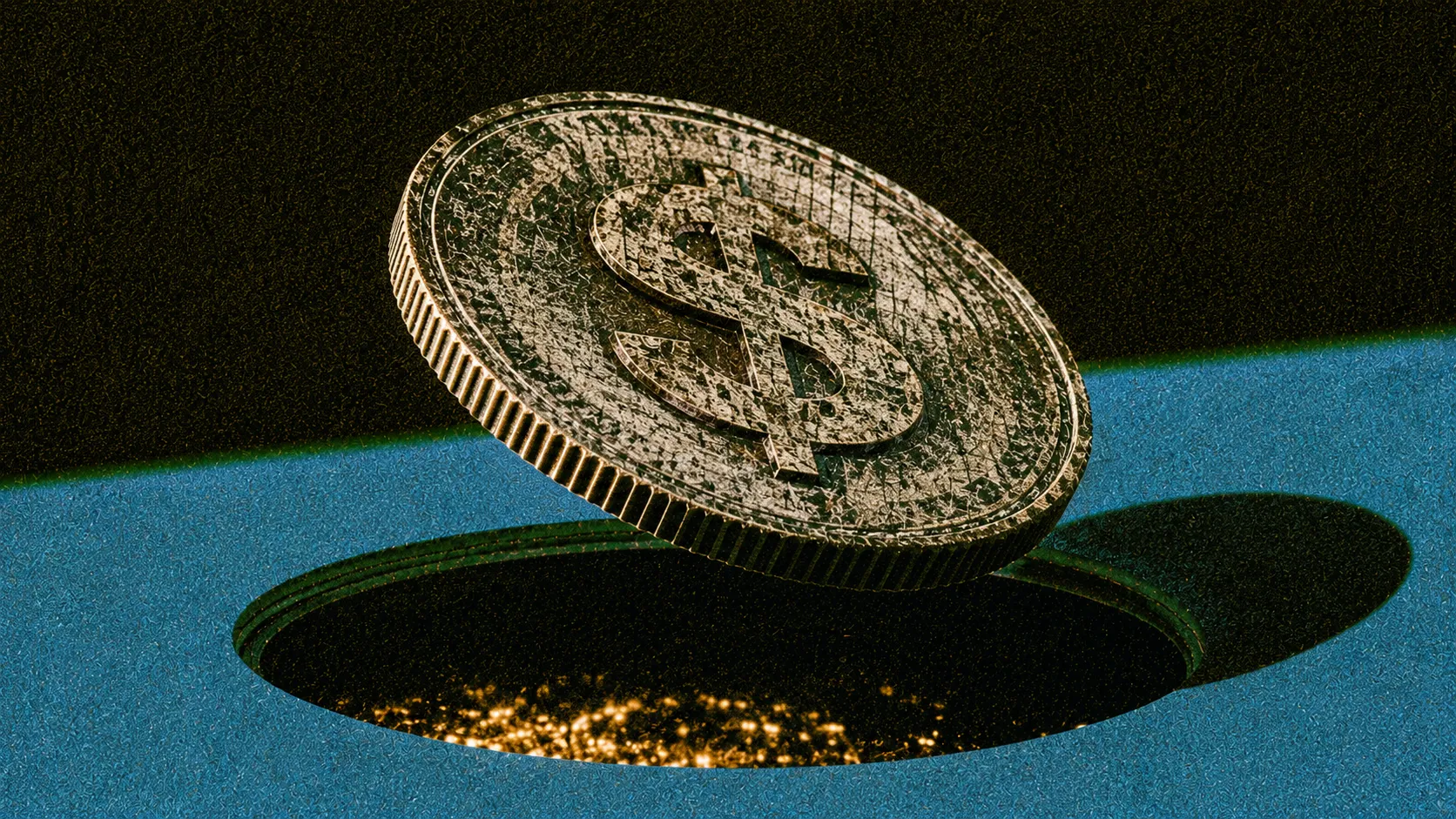
King Henry VIII debased his coins to paper over fiscal problems — and now Wall Street thinks Washington is running the same old playbook. The US dollar is under fresh pressure as investors question whether officials are quietly engineering a weaker currency to manage an exploding debt pile. Gold and Bitcoin are the prime beneficiaries, and the trade has a name.
Pressure valve: Bessent made two moves that put currency markets on edge. First, the US intervened to support the yen for the first time in nearly three decades, signaling a willingness to step into FX markets. Then, as 30-year Treasury yields hit their highest level since 2007, Treasury doubled long-term bond buybacks to at least $4B. JPMorgan and Citi saw the move as an effort to push down yields rather than improve liquidity, while Deutsche Bank called it “soft-form financial repression.”
- Bitcoin jumped 22% for its best week in over two years, while gold gained 5.6% and the dollar weakened.
- The 30-year Treasury yield hit its highest since 2007 as US debt topped $40T, intensifying concerns over fiscal sustainability.
Why Capped Yields Hurt the Dollar
The debasement trade comes down to where the pressure goes. If the government keeps bond yields below market levels, the adjustment can shift to the dollar. Scotiabank’s Shaun Osborne said the trade-off is either higher yields or a weaker currency, while Societe Generale called Bessent the “Strong Dollar’s Nemesis.” Robin Brooks warned the US is “playing with fire,” pointing to Japan’s prolonged yen decline as a warning.
- Citi analysts believe the Treasury can likely keep yields contained for some time, but “the main price to pay” would be a weaker US dollar.
- Central banks have continued building gold reserves, partly to hedge against currency weaponization after Russia was cut off from much of the dollar-based financial system.
Not everyone is convinced: Skeptics point out that foreign investors still hold US Treasuries and buy US equities, keeping dollar demand intact. Standard Chartered’s Steve Englander argues strong US productivity and earnings also support the greenback. But the debasement trade ultimately hinges on Washington fixing its finances. If it doesn’t, the market’s patience with the dollar has a limit.

