
More than 9M federal student loan borrowers are already in default, owing a collective $234B, and collections could restart as soon as next year.
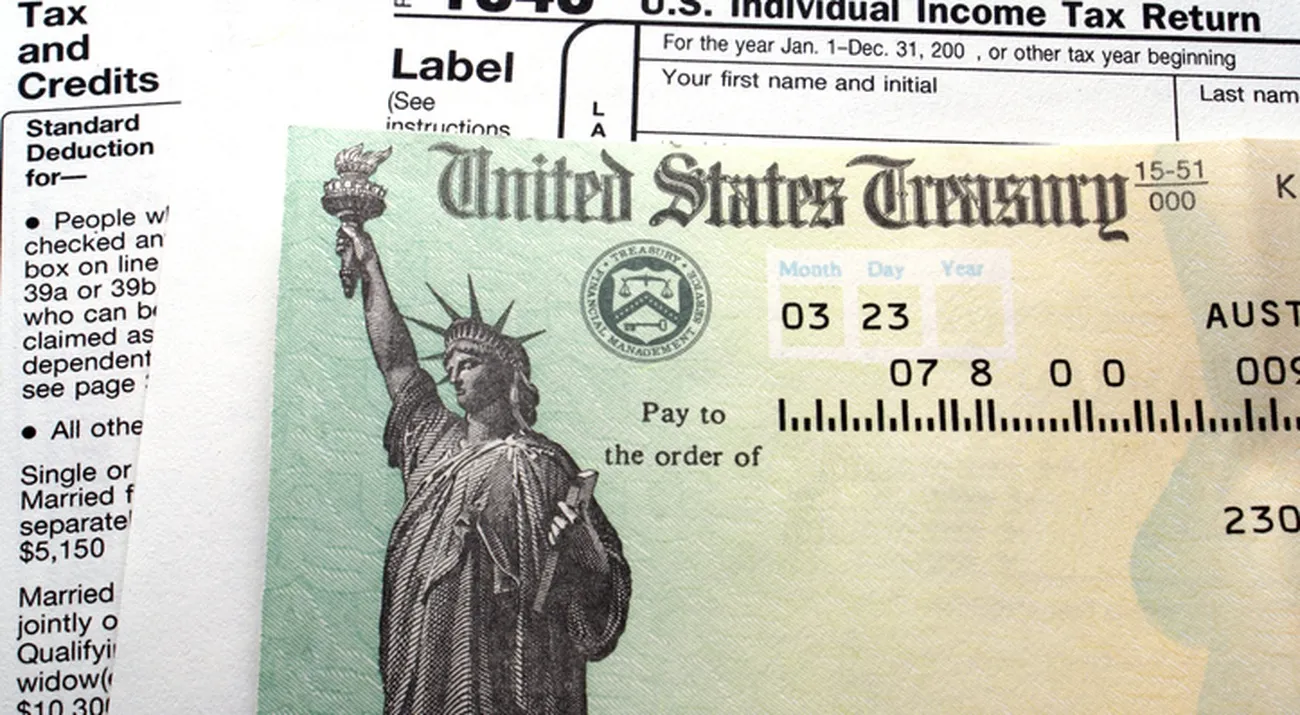
Administration officials are preparing to penalize borrowers in default next year, five sources told The Washington Sun, and Treasury is moving ahead with plans to hire private debt collectors. Some officials are pushing to garnish wages and benefits for the current tax year, meaning the April 15, 2027 filing deadline.
Pauses came repeatedly, most recently this past January, when the Education Department delayed administrative wage garnishment and Treasury offset to give defaulted borrowers time to use new repayment options.
The default wave hit fast
It takes 270 days of missed payments to enter default, so the first post-pandemic defaults only hit credit reports in late 2025. Roughly 1M borrowers defaulted in 2025 Q4, and another 2.6M followed in 2026 Q1, according to New York Fed estimates.
New federal student-loan defaults by quarter
Borrowers newly in default, in millions, per New York Fed estimates
Bar chart. 2025 Q4: Newly defaulted borrowers (millions) 1. 2026 Q1: Newly defaulted borrowers (millions) 2.60.
Source: Federal Reserve Bank of New York, May 2026
The wave isn't spread evenly. In Mississippi, Louisiana, and New Mexico, more than a quarter of borrowers are in default, and even the lowest state rate is 15%, per Stateline.
The average borrower entering default is nearly 40 years old and wasn't past due before the pandemic, the New York Fed found. Credit scores for defaulted borrowers dropped 91 points between 2024 Q3 and 2025 Q4, and a default typically stays on a credit record for seven years.
Among the newly defaulted, 56% of those with at least one credit card are past due, and nearly 40% of those with auto loans are behind. The New York Fed sees limited spillover, since these borrowers hold 2.7% of auto loans, 2% of credit cards, and 1% of mortgages.
Two exits before collections restart
The Education Department delayed collections partly so defaulted borrowers could use repayment reforms under the Working Families Tax Cuts Act. The law gives borrowers a second chance at loan rehabilitation, where before it passed each borrower got only one. A new income-driven plan that waives unpaid interest for on-time borrowers became available July 1, 2026.
Treasury and the Education Department also launched a Defaulted Loans Support Center, where borrowers can apply to rehabilitate or consolidate online. In fewer than six months, approved rehabilitation applications rose 69% and consolidations out of default rose 95%. Consolidating can also unlock a temporary 1% interest rate reduction through auto pay.
The postponement has cost taxpayers about $5B so far, according to Marc Goldwein of the Committee for a Responsible Federal Budget, and no end date for the pause has been announced.
Borrowers who call their loan holder now and ask about loan rehabilitation can clear a default by completing the agreed plan before garnishment notices start arriving. Anyone still in default when collections restart may find a tax refund missing next spring.