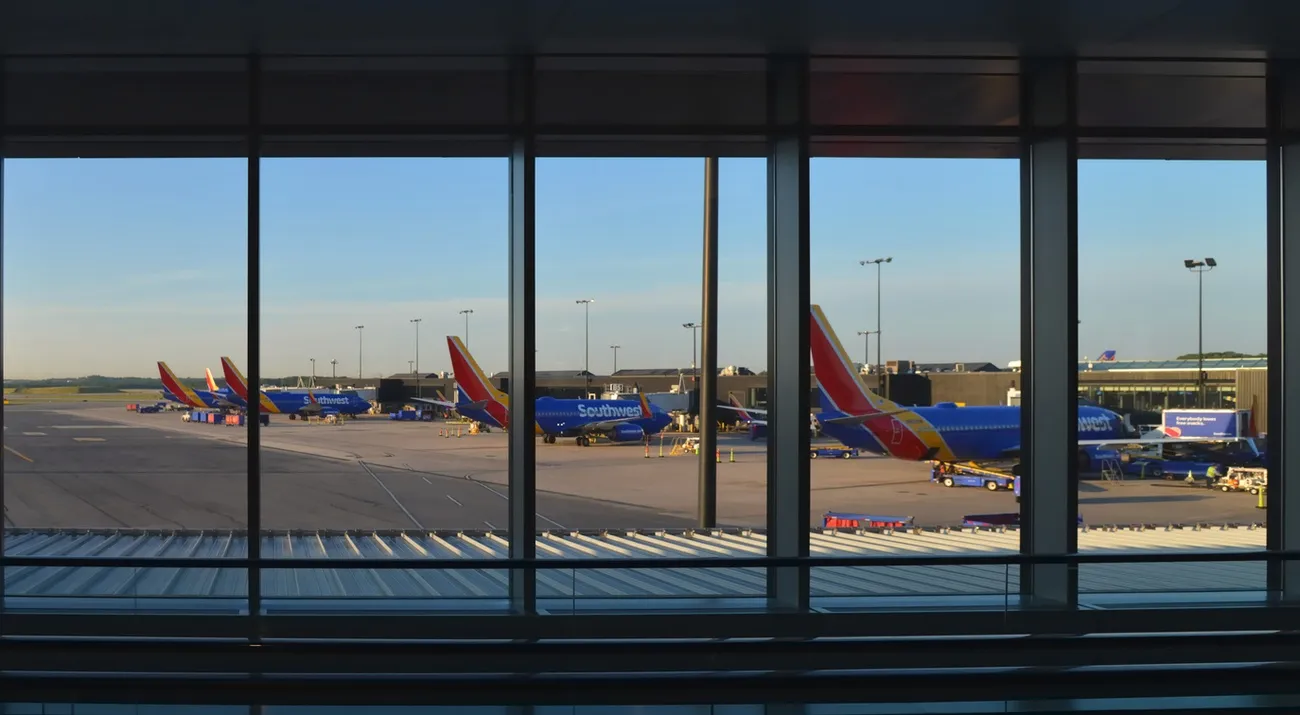
Southwest Airlines is building its first airport lounges in Austin, Baltimore, Honolulu, and Nashville, with the first locations slated for late 2027. The move comes through a new partnership with JPMorgan Chase.
Lounge access gives travelers another reason to carry a Southwest card, but will the perk justify the cost?
The perk is still incomplete
Southwest plans to launch a new Chase-issued co-branded credit card in 2027 that provides access to its lounge network. Construction is already underway, with the first lounges set to open in late 2027.
That means the core price is missing today. Southwest hasn't disclosed the annual fee, guest rules, day-pass policy, or whether cardholders get unlimited access.
A traveler who mainly flies through Austin, Baltimore, Honolulu, or Nashville may have a cleaner use case. A traveler who connects elsewhere may be paying for a benefit that arrives later or sits in the wrong airport.
Access will likely be controlled
Southwest says the first four lounges are only the start, with seven more planned over the next several years. The airline is already signaling that access may be managed carefully.
"We know customers want access to a premium lounge network."
Bob Jordan, Southwest Airlines
That matters as overcrowding has made lounge access less valuable at some airports. Southwest says its lounges will offer upscale design, locally inspired food, premium amenities, and travel benefits similar to those offered through the Chase Sapphire Reserve Lounge Network.
The card may become the main gatekeeper. Southwest hasn't ruled out memberships or day passes, but it has also said it wants to avoid admitting too many people.
The route choice is changing
Southwest has changed its business model by ending open seating, adding assigned seats, and charging for checked bags.
The lounge plan pushes Southwest further into premium travel. For passengers, comparing its cards now means looking beyond fares to bag fees, seat options, rewards, and whether lounge access is worth the added cost.
If Southwest already wins on routes and price, the card could make the experience better without changing travel habits. If another airline already offers better airport coverage, a Southwest lounge card may add friction instead of value.
The cleanest approach is to map the perk to trips before weighing the fee. Start with airports used most often. Then check whether those airports are among the first four, or among later markets once Southwest names them.
Then compare the fee against spending that lounge access would actually replace. That could include food, drinks, workspace, or choosing longer layovers to use the lounge. Skip any value that requires extra trips or route changes. A perk that changes behavior can cost more than it saves.
The loyalty signal is strong
Lounge access can influence airline choice, with 47% of lounge users planning routes around lounge access and 82% choosing airlines based on whether lounge access is offered.
That is why Southwest wants a bigger share of the cardholder relationship. Lounge access can make the card more appealing, but it should not change how travelers book just to use the perk.
The card makes the most sense for people who already fly Southwest regularly and use the airports where its lounges will operate. Until Southwest reveals the annual fee and access rules, there is not enough information to know whether the perk is worth paying for.

