Robotaxis Are Turning Into an Infrastructure Race and Uber Is Building the Track
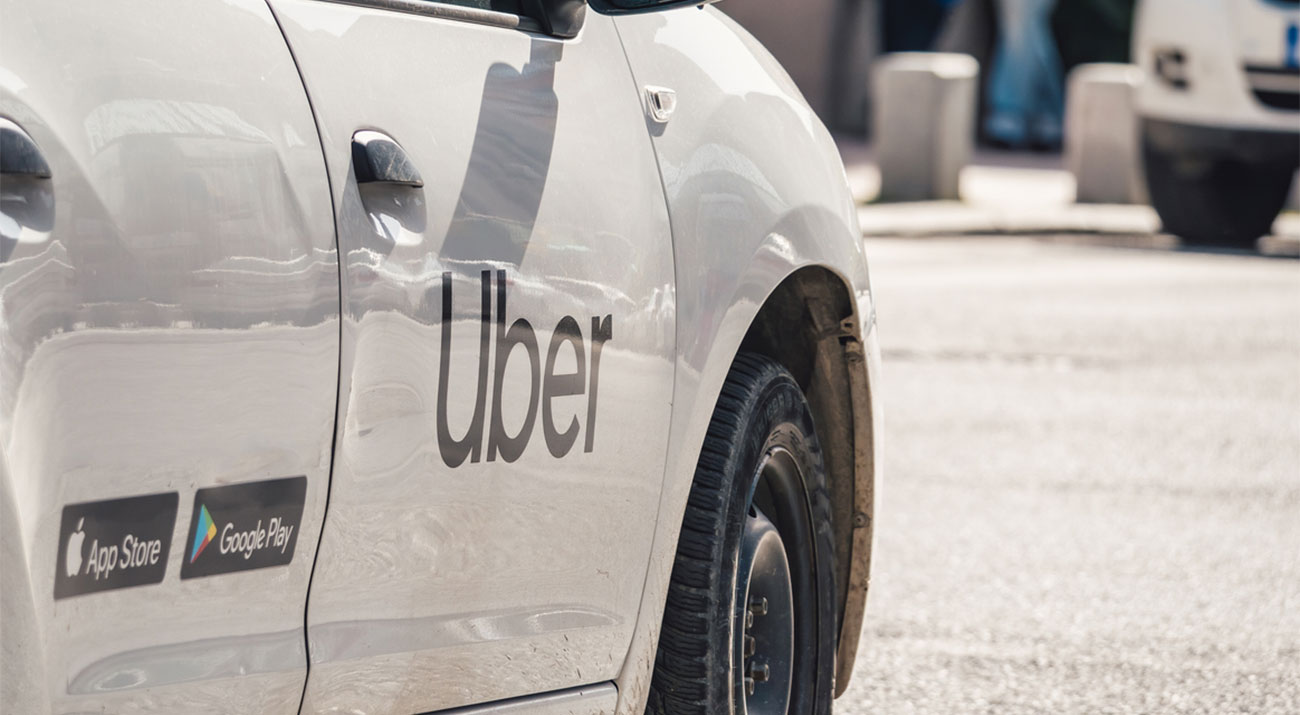
Uber Technologies has never owned a car but that model is changing fast. Uber signed a multiyear lease for a 50K-square-foot depot in Houston. The facility will support a future fleet of Lucid Gravity robotaxis running on Nuro's autonomous technology.
What Uber is actually building
Uber is also developing a dedicated charging pitstop near the same location. The facilities form the physical backbone required to run a driverless fleet at commercial scale.
Uber sold its in-house self-driving unit in 2020. It then leaned into its asset-light model. Now it's reversing course on the physical layer, committing up to $10B over the next few years across AV investments and infrastructure, according to a Financial Times tally.
In February, Uber separately announced $100M to develop fast-charging hubs at AV depots in San Francisco, Los Angeles, and Dallas.
Why location is a decade-long bet
Uber built an internal heat map tool that draws on anonymized trip data to identify optimal depot locations. The tool surfaces the most popular pick-up and drop-off zones and tracks where drivers log the most time on the road.
"This is where a lot of AV players are making mistakes, and where Uber is able to avoid those mistakes because we have that data," said Philip Henry de Frahan,
Uber's head of AV infrastructure. A wrong site selection is not a short-term error. "This is a mistake you're going to eat for the next 10 to 20 years," he added.
The logic is that poorly located depots force vehicles to travel more empty miles between rides and charging stops, increasing operating costs. Uber's decade of ride-hailing data gives it a site selection advantage that newer autonomous vehicle companies have yet to match.
The competitive stakes in Houston
Houston is the fourth-largest city in the US. It already serves as an active testing ground for Nuro, which has maintained a presence there since 2019. Lucid Group is manufacturing the first production validation vehicles at its Arizona factory for safety testing and regulatory certification.
Alphabet subsidiary Waymo already operates an independent robotaxi service in Houston. Uber and Waymo currently collaborate in Austin, Atlanta, and Phoenix, but Houston puts them in direct competition.
Uber's mid-2027 target for commercial launch gives it roughly a year to secure regulatory approvals and complete depot construction, which is scheduled to begin in early 2027.
Uber has expanded its purchase commitment with Lucid to at least 35K robotaxis for deployment across dozens of markets. Houston is the second planned market after the San Francisco Bay Area, where Uber, Lucid, and Nuro expect to launch later in 2026.
What this means for the economics
Controlling depot infrastructure shifts Uber's cost structure. Outsourcing that layer to third parties would mean paying external margins on every charge and maintenance cycle. Owning it lets Uber capture that value directly.
"We do think making smart investments in the infrastructure will enable us to bring down cost per mile," said Samarth Kejriwal, Uber's global head of autonomous fleet operations.
"The asset-light model was genius for its era, but autonomy rewrites the economics."
Zach Greenberger, Nexar
Lyft, by contrast, is taking the opposite approach. Rothschild Redburn upgraded Lyft to neutral this week, citing its low capital intensity and 21% free cash flow yield. Lyft is returning capital through buybacks rather than building depots.
The two companies are placing very different bets on what the next decade of mobility requires.

