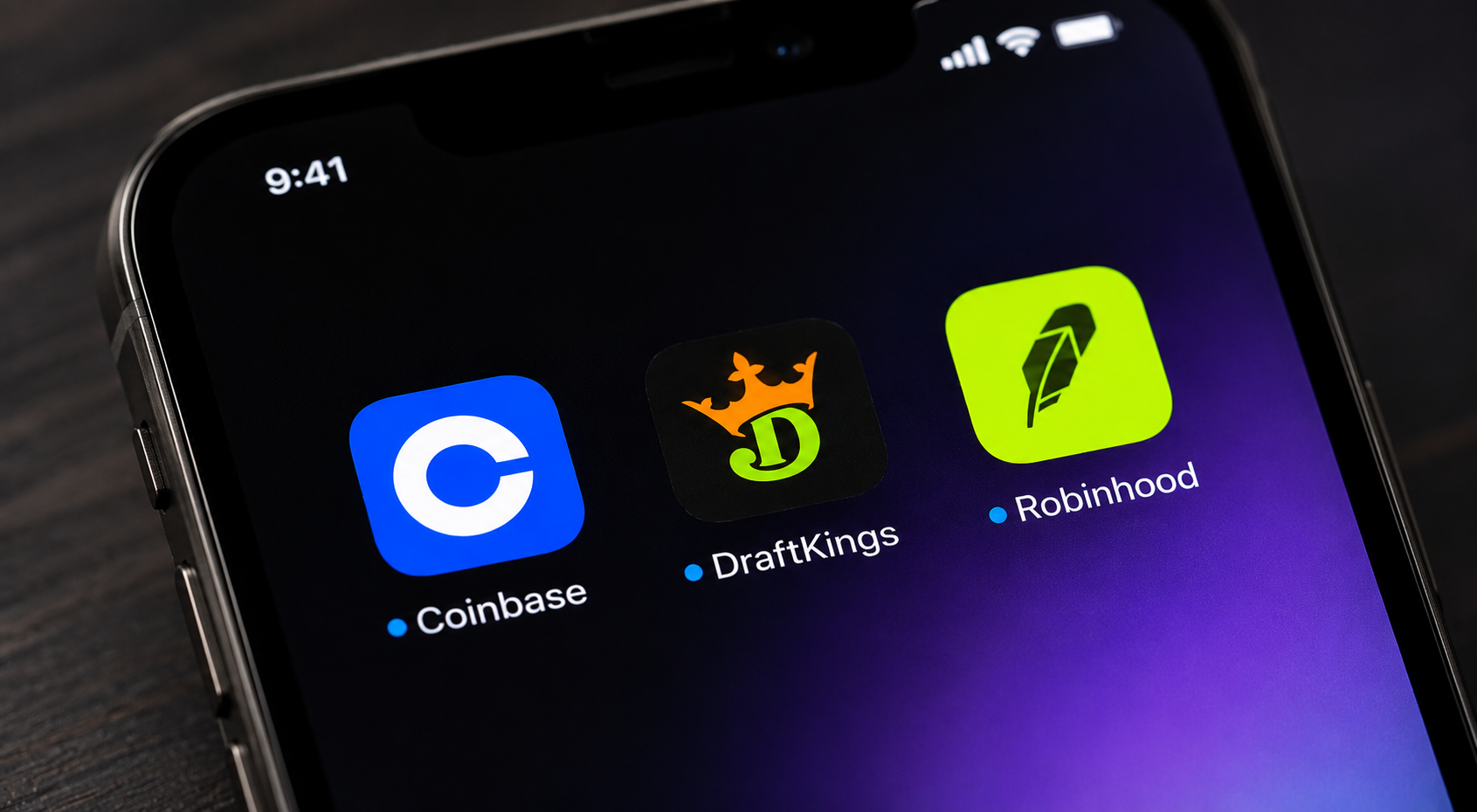
Prediction markets showed up in nearly every major earnings report this week, with annualized volume at DraftKings jumping from $2.3B to $11B between April and July.
CEO Jason Robins launched the predictions platform in Dec. 2025 and said 600K customers have engaged with it so far, though he expects that number to reach millions once the NFL season starts.
Robins blamed customer-friendly outcomes, including the Knicks' NBA title and the US World Cup run, along with higher promotional spending for the company's recent earnings miss.
DraftKings isn't the only betting giant leaning further into prediction markets. Flutter Entertainment moved its FanDuel Predicts sports contracts from CME to Crypto.com ahead of the NFL season and expects to generate roughly $50M in market-making revenue this year.
Coinbase reported 106% quarter-over-quarter growth in prediction markets revenue, with annualized revenue surpassing $100M, though KeyBanc analysts said that number came in below their estimate.
Robinhood reported $156M in event contracts revenue for Q2, and said its Rothera exchange captured roughly 7% to 8% of total market share among CFTC-regulated venues since launching in June.
The vertical integration play
Robins' bigger pitch isn't just the volume number. DraftKings now controls three layers of the prediction market stack (brokerage, exchange, and market-making) after receiving FCM approval and going live with DK Exchange.
The argument is that owning all three layers lets the company monetize each trade more than a front-end-only operator can.
Robins also pushed back on the idea that prediction markets are cannibalizing the sportsbook. He said customer overlap is roughly 1% in sportsbook states, and that 80% to 90% of consumer volume on rival platforms comes from professional traders and betting syndicates.
That framing matters for a specific reason: prediction markets let DraftKings reach customers in states where sportsbooks are still banned, under lighter licensing rules, and with access to users under 21.
Robins was sharper in his language on CNBC, accusing rivals of "spinning narratives that just aren't true" and taking a direct shot at Kalshi, which had offered bets on what DraftKings executives would say during their own earnings call.
"Making trades on whether someone will say something on an earnings call is probably not something that should be out there."
Jason Robins, DraftKings CEO
Regulators are watching
The CFTC sent a warning letter to all CFTC-regulated prediction market entities this week, telling them to stop using American-style gambling odds to market their products.
The agency said derivatives must be displayed in nominal or percentage terms, not bookmaker style. Firms must confirm receipt of the letter by Aug. 31. Kalshi said it will comply. Polymarket didn't respond to Bloomberg's request for comment.
More than 40 state attorneys general have pushed back on the CFTC's claim that it's the exclusive regulator of sports-related event contracts, and lawsuits are ongoing.

