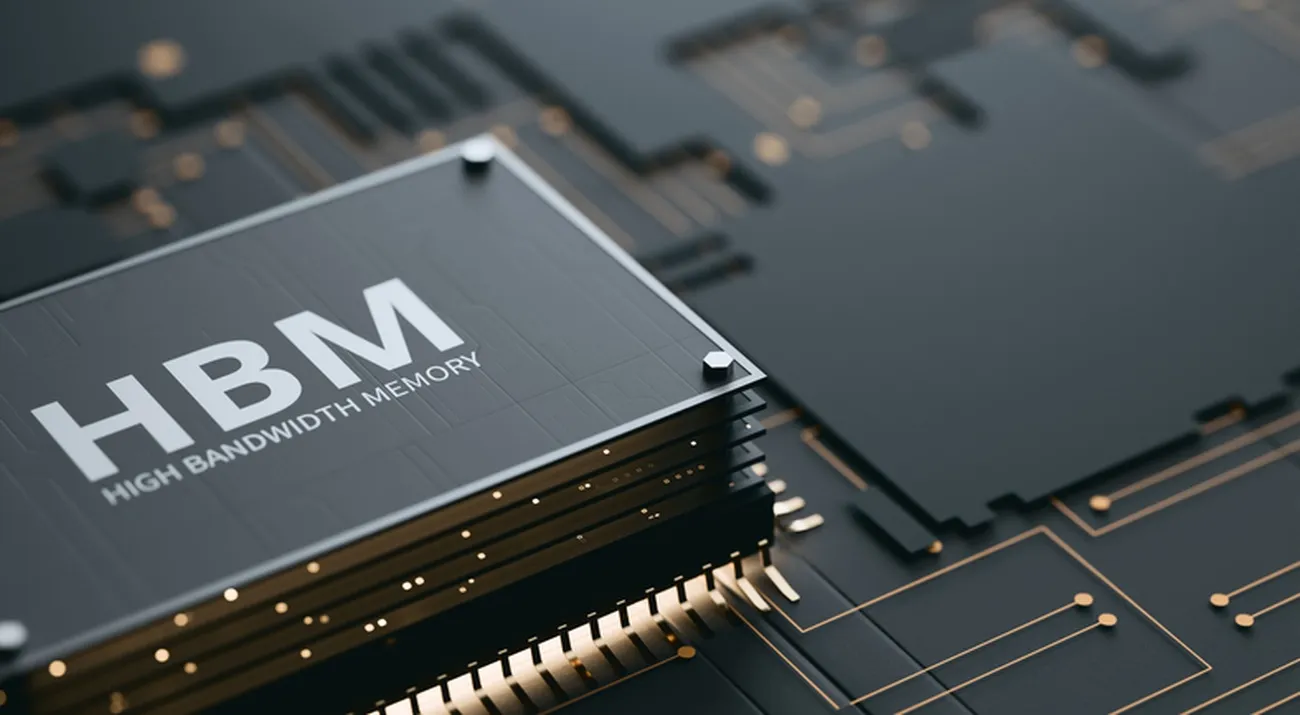
SK hynix told investors on Oct. 28 that its DRAM and high-bandwidth memory output is effectively sold out for the three years through 2029.
The company said the shortage will persist through 2030, because leading-edge processes keep getting harder to run and new plants take years to finish. The 2028 price debate has its own numbers.
Memory is being spoken for years before it exists.
Contracts replaced the spot market
SK hynix has long-term agreements with 14 customers, including large cloud providers, with terms that typically run five years.
Those deals already cover more than 50% of total capacity for 2027 and 2028, with pricing set inside agreed ranges and deposits used to make sure orders turn into shipments.
Demand is running far ahead of what the fabs can produce.
"Current customer order volumes exceed twice what we are able to supply."
Kim Ki-tae, SK hynix HBM sales executive vice president
Micron has gone further on contract structure, signing 26 new or extended strategic customer agreements that are legally binding take-or-pay deals, with terms extending through 2031.
Customers must pay the full contracted amount even if they never take the chips.
Total financial commitments from those 26 customers, including guarantees and termination payments, stand at $32B, most of it cash. The minimum contracted backlog is about $150B at floor pricing.
Roughly 75% of expected contract revenue carries a clear pricing mechanism, with price floors and ceilings that cap how far memory prices can swing for either side. The memory price spike has its own consumer story.
Micron is also building NVHBM, a custom HBM4E part for Nvidia, with full production scheduled for next year and use alongside next-generation graphics processors.
New fabs arrive late
The supply answer is years out.
Micron's ID1 fab in Idaho is scheduled to start production in mid-2027, with ID2 following in the second half of 2028.
Its expanded DRAM fab in Hiroshima, Japan targets initial production in the second half of 2028. Its first New York fab, only now at the concrete-pouring stage, targets initial wafer production in 2030.
Its Taichung plant in Taiwan is set to begin full-scale shipments from the middle of next year, and its Singapore HBM packaging plant is scheduled to start production early next year.
SK hynix plans to ramp its M15X fab to maximum capacity by year-end and bring its first Yongin fab online.
Three suppliers account for most of it. SK hynix was the second-largest DRAM maker by revenue in September with a 25% share, behind Samsung at 38% and ahead of Micron at 24%.
AI Memory Supply Runs Through Three Chipmakers
Global DRAM revenue share by supplier, September 2026, %
Bar chart. Revenue Share (%). Samsung: Revenue Share (%) 38%. SK hynix: Revenue Share (%) 25%. Micron: Revenue Share (%) 24%.
Source: Counterpoint Research via GSMArena
SK hynix says the buyer base is widening beyond a handful of cloud giants to ordinary enterprises and national governments, with autonomous driving and robotics as the next wave.
HBM4 becomes SK hynix's main product in the fourth quarter, overtaking HBM3E in both shipment volume and revenue share.
Some customers are now asking for 8-layer HBM4 instead of 12-layer stacks, so they can squeeze more usable cubes out of the same contracted capacity.

