LVMH's Recovery Is Stalling. Why Wall Street Isn't Rushing to Buy Luxury Stocks
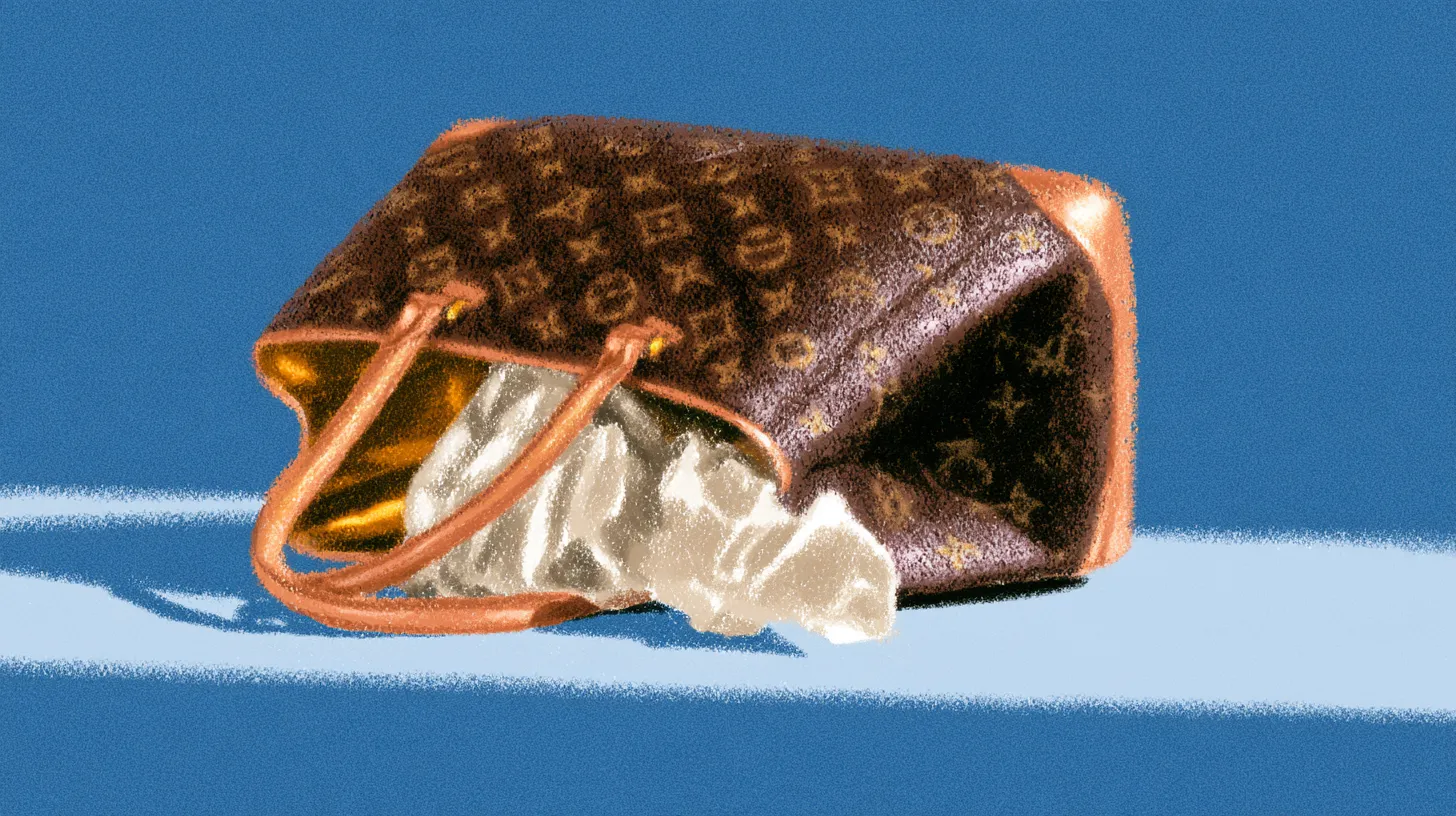
The world's richest shoppers seem to have developed a taste for saving money. Europe's luxury giants have spent three years waiting for Chinese consumers to start splurging again, but the comeback keeps slipping further out of reach. LVMH then gave investors another reason to keep waiting.
Checking the receipt: The company behind Louis Vuitton and Dior reported slowing sales growth, dealing another blow to hopes of a luxury comeback. Its fashion and leather goods division, which accounts for nearly half of group revenue, slipped back into decline after briefly breaking a two-year losing streak in Q2. The setback is especially disappointing after the division's brief return to growth had raised hopes that demand was finally improving.
- CFO Cécile Cabanis blamed a "subdued Chinese backdrop", with post-pandemic price hikes making it harder to win back middle-class shoppers.
- Fashion and leather goods organic sales fell 5%, far worse than the 1.8% decline analysts expected, while Asia excluding Japan also recorded a 5% drop.
Why the Discount Isn't the Deal
Luxury stocks have become much cheaper, but Wall Street isn't convinced they're bargains just yet. Europe's biggest luxury groups have lost around €330B (roughly $380B) in market value this year, with LVMH alone down roughly 40%. Barron's warns the selloff could have further to run, particularly if Chinese shoppers continue holding back. After years of rising prices, the industry is finding that getting customers to spend again may prove harder than expected.
- JPMorgan analysts say Chinese luxury demand has taken a significant step down, raising doubts about how quickly spending will recover.
- LVMH's disappointing results dragged down European luxury stocks, including Hermès, Kering, Moncler, Dior, and Richemont.
The waiting game: Not all of LVMH is struggling. Selective retailing grew 8% as Sephora gained market share, while wines and spirits rose 6% on recovering champagne demand. Dior also drew strong interest in Jonathan Anderson's ready-to-wear designs, offering some relief from the weakness elsewhere. But management has avoided price cuts, sticking with its premium positioning even as demand remains soft. Still, CFO Cécile Cabanis warned that the broader turnaround will take time, with few easy fixes in sight.

