US industrial production rose 0.66% in September, the biggest monthly gain since April and the sixth straight increase, lifting total output to its highest level since December 2018.
Economists had expected a 0.4% rise.
Manufacturing rebounded 0.27% after August's 0.23% dip, roughly matching forecasts.
Utilities output jumped 3.50% to an all-time high, led by electricity.
Capacity utilization climbed to 76.85%, the highest since December 2023 and above the 76.5% expected, though still 2.5 percentage points under its long-run average since 1972.
US Industrial Production, September 2025 vs Estimates
| Metric | September Actual | Expected | Prior/August |
|---|---|---|---|
| Industrial production MoM | +0.66% | +0.4% | 6th straight gain |
| Manufacturing MoM | +0.27% | +0.3% | -0.23% |
| Utilities output MoM | +3.50% | n/a | n/a |
| Capacity utilization | 76.85% | 76.5% | 76.4% |
AI build-out is carrying the factory floor
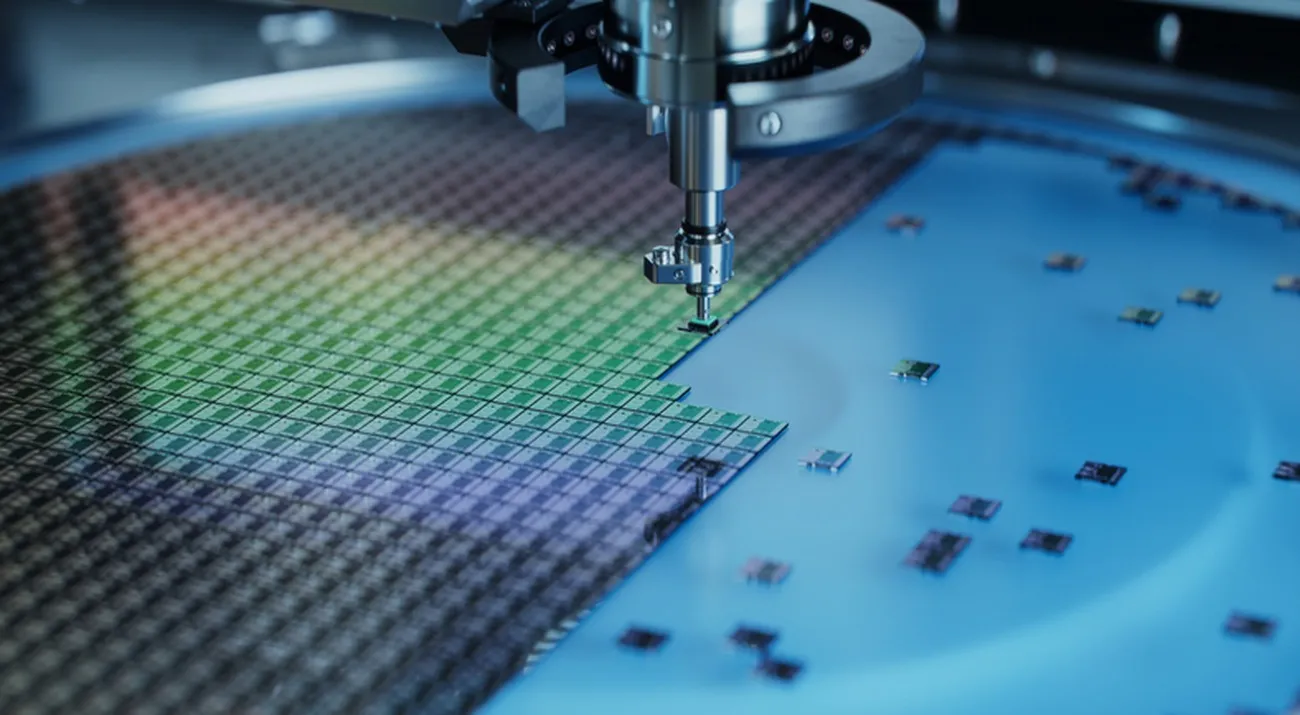
Durable goods manufacturing output grew at a 3.8% annual rate in the third quarter, helped by a 28.4% surge in semiconductors and related electronic components tied to AI spending.
Power demand from data centers and expanding factories drove the utilities surge, alongside air-conditioning use during the warmest September on record.
Motor vehicles and parts went the other way, with output falling 3%. Excluding autos, factory production rose 0.5%.
Advanced manufacturing, covering tech, electronics, transport, and power-related sectors, has significantly outpaced the rest of industry, and ING expects defense to keep posting strong growth too.
The growth picture is firming up
Goldman Sachs raised its third-quarter real gross domestic product tracking estimate to 3.3% after the release, a 0.2 percentage point bump.
Broader forecasts point the same way, with output projected to rise at an annualized 3.2% rate in Q3 versus 2.2% in the second quarter.
The September US Composite Purchasing Managers' Index showed the strongest business activity in more than five years, fueled by steady consumer spending and a jump in capital expenditures on data centers and chip projects.
Input costs rose at the sharpest pace since October 2022, a reminder that the same demand lifting output is also lifting prices.
September's rebound offered some relief, but it wasn't enough to reverse manufacturing's broader slowdown in Q3. Factories still face mounting pressure from higher energy costs, escalating trade tensions with Canada, and more expensive borrowing, all of which could make a sustained recovery harder to achieve.
For investors, the split is the story. Chipmakers, utilities, and power-equipment suppliers are riding a capital spending wave, while automakers are producing less.

