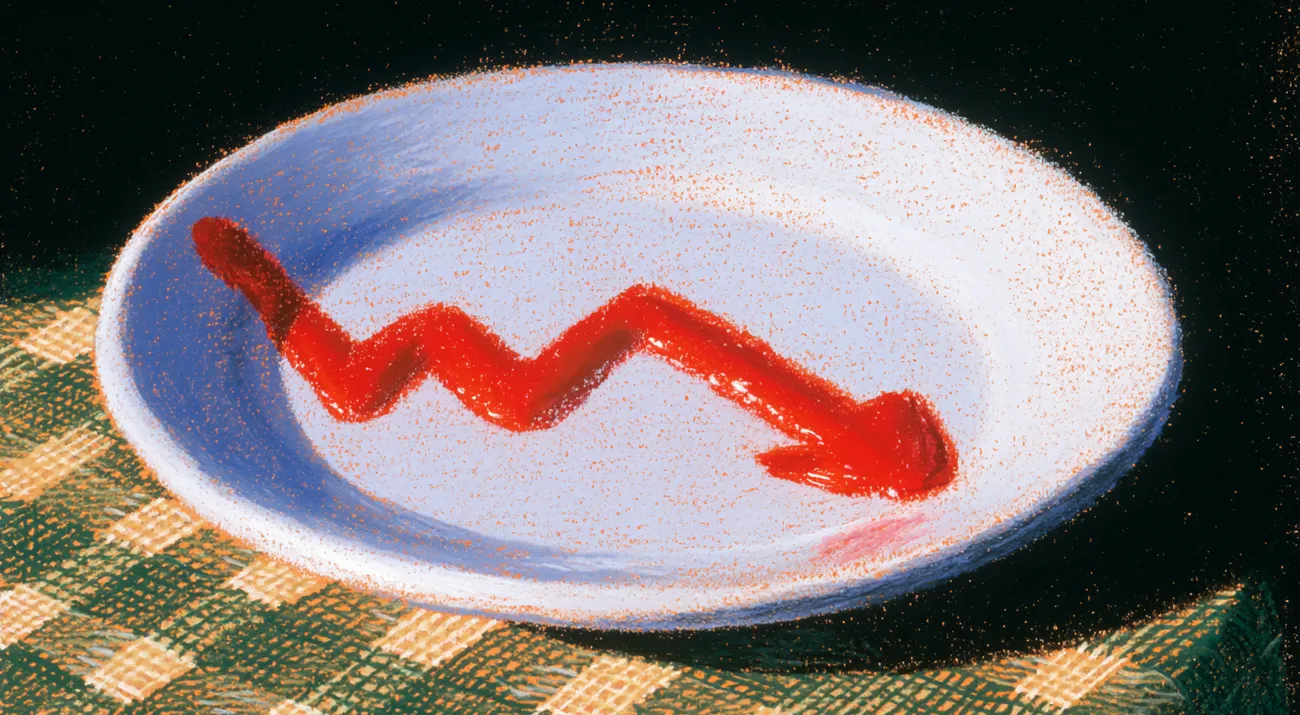
GLP-1s are shrinking waistlines and Big Food’s bottom line. Weight-loss drugs are suppressing appetite across millions of households, and food company stocks have been punished for it. But the selloff has created value in a handful of names that are cheap, dividend-paying, and actively adapting.
What GLP-1s are doing to demand
As many as 55M Americans, roughly 15% of the population, are expected on GLP-1 drugs by 2035, according to Morgan Stanley projections.
KPMG estimates users consume about one-fifth fewer calories while on the medications. JPMorgan projects the drugs could drain $30B to $55B in annual food and beverage revenue by 2030.
One in five US households now includes a GLP-1 user, doubled from the start of 2025 according to PwC. The drugs reduce hunger and alter taste.
A well-documented side effect called dysgeusia can make food taste metallic, according to Richard Doty, a professor at the University of Pennsylvania's medical school.
Companies like Kraft Heinz, Campbell’s, General Mills, and Conagra Brands have been hit hardest. Beyond GLP-1s, inflation-weary consumers are also cutting snack spending and switching to cheaper store brands.
Where value is sitting right now
Not every food stock deserves to be in the bargain bin, and analysts are drawing clear distinctions.
PepsiCo trades near 52-week lows. Its North American snack business has stalled, but its beverage divisions are growing, and it recently acquired prebiotic soda Poppi for ~$2B.
Goldman Sachs analyst Bonnie Herzog has a Buy rating with a $180 price target, noting Pepsi's price-to-earnings ratio of 16 is well below Coca-Cola's 24.
Keurig Dr Pepper trades at just 13 times earnings and is splitting its coffee and soda businesses into separately traded entities by 2027.
Dr Pepper recently became America's No. 2 soda brand, surpassing Pepsi and Diet Coke. J.P. Morgan analyst Andrea Teixeira values the combined businesses at $38 per share, roughly 30% above current prices.
J.M. Smucker is up 20% this year, driven by Uncrustables, its frozen PB&J brand, which recently crossed $1B in annual sales.
Its forward price-to-earnings ratio sits at 12, and the stock yields 3.8% in dividends. Analyst consensus sees earnings growing 10% in the current fiscal year.
Mondelez International generates nearly 40% of sales from faster-growing emerging markets. Organic sales in Latin America surged 8% last quarter and Asia grew 7%. Falling cocoa prices have also eased margin pressure. Jefferies has a Buy rating with a $73 target.
Danone is down 11% this year partly due to an infant formula recall, but the company estimates that affected only ~1% of first-quarter sales. Its Oikos Pro protein yogurt line hit $1.2B in US sales last year, and GLP-1 research shows users actually crave more yogurt.
The consumer still wants quality
American consumers with more purchasing power are trading up to better products and punishing brands that offer poor value.
Chains like Chili’s, owned by Brinker International, have posted five consecutive years of sales gains by advertising better quality at competitive prices, not just low prices alone.
Food companies that pay attention to what consumers actually want are outperforming those chasing short-term volume targets, per RBC Capital Markets analyst Nik Modi.
How companies are pivoting
Conagra is redesigning recipes around nostalgic comfort flavors in smaller, high-protein portions. Its culinary team is pressing forward with a buffalo mac and cheese carrying 40 grams of protein and added GLP-1 Friendly badges to its Healthy Choice frozen meal line.
General Mills built an AI-powered digital consumer persona to simulate how GLP-1 users respond to new products. It is testing a new protein bar brand called Prot Edge based on insights from that tool.
Nestle is moving furthest into the opportunity. Its chief technology officer told Reuters the company is using AI to mine clinical research and develop products targeting GLP-1 side effects like muscle loss and skin changes.
It launched a Boost Advanced Nutrition Shake with 35 grams of protein and added collagen to its Vital Proteins line. The commercial test ahead is whether its product pipeline can outpace the drugs' drag on packaged food demand.
The food sector won’t recover overnight. But when stocks are priced for permanent decline while the companies behind them are busy adapting, the selloff starts to look more like an opportunity.

