Federal Reserve Officials Divided on Further Rate Hikes After September Move
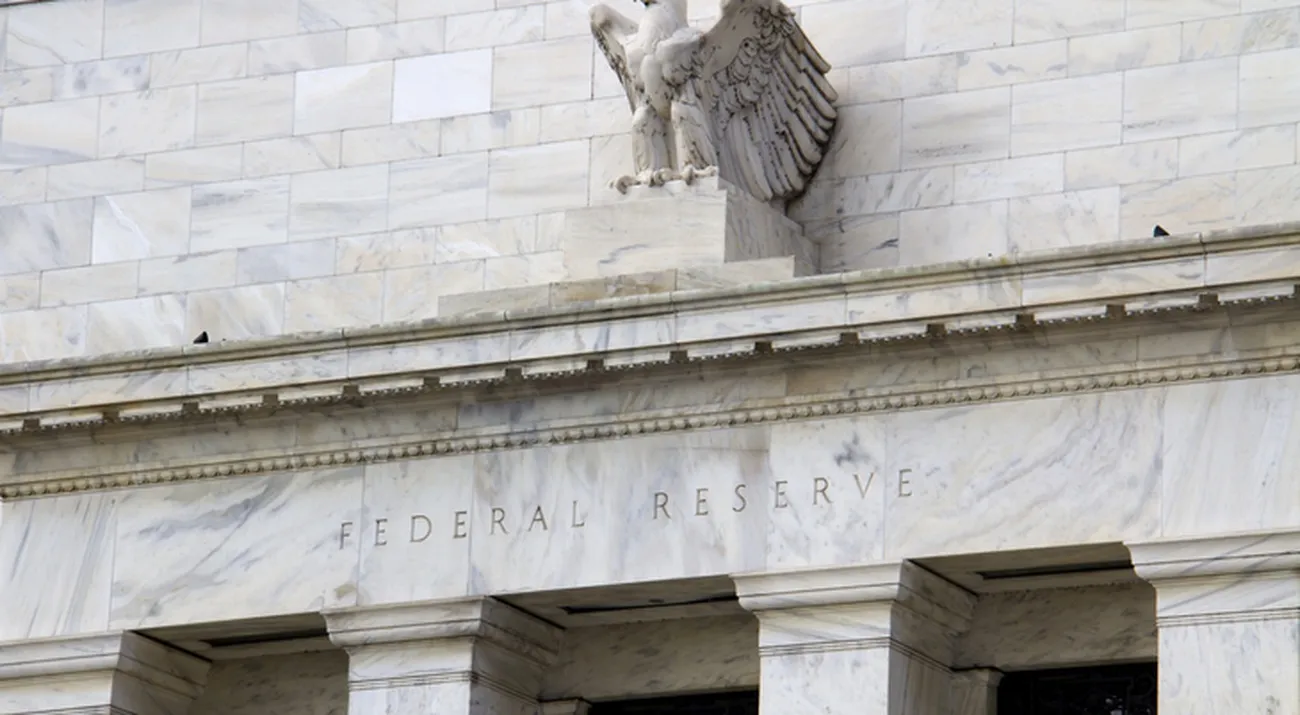
The Federal Reserve released minutes from its Sept. 15-16 meeting on Oct. 7, showing significant disagreement among policymakers over whether the first rate hike since 2023 should be followed by more.
The Committee raised its benchmark rate by 25 basis points to 3.75%-4.00% in September, citing stubborn inflation.
All 12 voters backed that move. The minutes show no such unity on what comes next, with some officials favoring a wait-and-see approach before further tightening.
The median participant penciled in one more rate hike in 2026, and 15 participants saw core inflation risks tilted to the upside.
Weak payrolls reset the October bet
September nonfarm payrolls rose by just 29K, with the unemployment rate edging up to 4.2%.
Traders reacted fast. CME FedWatch pricing cited by Investing.com showed odds of at least a 25-basis-point October hike falling below 22% from about 51% a week earlier.
One reading put the swing at 30.5 percentage points, a near-total reversal of market expectations in five trading sessions.
Inflation data cut the other way. Core personal consumption expenditures inflation, the Fed's preferred gauge, rose 3.0%.
Warsh has stopped telling markets what's next
Fed Chair Kevin Warsh has pulled forward-looking guidance out of the Committee's statements, leaving investors to read the data themselves.
"This summer's inflation readings do not tell me that underlying trends have meaningfully improved."
Kevin Warsh, Federal Reserve
He was the only one of 19 officials who declined to submit a forecast for the dot plot, the chart of where each policymaker sees rates heading.
Others have been less shy. New York Fed President Williams said one further upward adjustment may be appropriate late this year, while Governor Michael Barr pointed to more adjustments ahead.
Warsh described the September move as having removed a dose of accommodation, and 16 of 18 officials expect another hike in 2026.
Energy costs are part of the problem. Prices jumped 16.3% in the 12 months through August, and Brent crude hit $101.15 per barrel on Oct. 1 amid the US-Israel war on Iran.
Warsh put annual PCE inflation at roughly 3.6% through August.
Markets in mid-September were pricing three to four more hikes by late 2027, a path that now looks far less certain.
Higher rates for longer tend to pressure growth stocks and reward savers holding cash and short-dated bonds.
Warsh kicked off the fourth rate-hiking cycle of this century without guidance, so each inflation and jobs print now moves pricing more than any Fed speech.
The next payrolls and PCE reports will settle the October question faster than the minutes did.

