Global Retailers Have Relied On Bangladesh for Cheap Labor. Now They’re Demanding Raises.
Americans aren’t the only ones asking for higher wages — the workers making their cheap clothes are, too. And that’s sparked riots and chaos in Bangladesh, the world’s second-largest apparel exporter behind China, which employs over 4M in the industry across 3.5K factories.
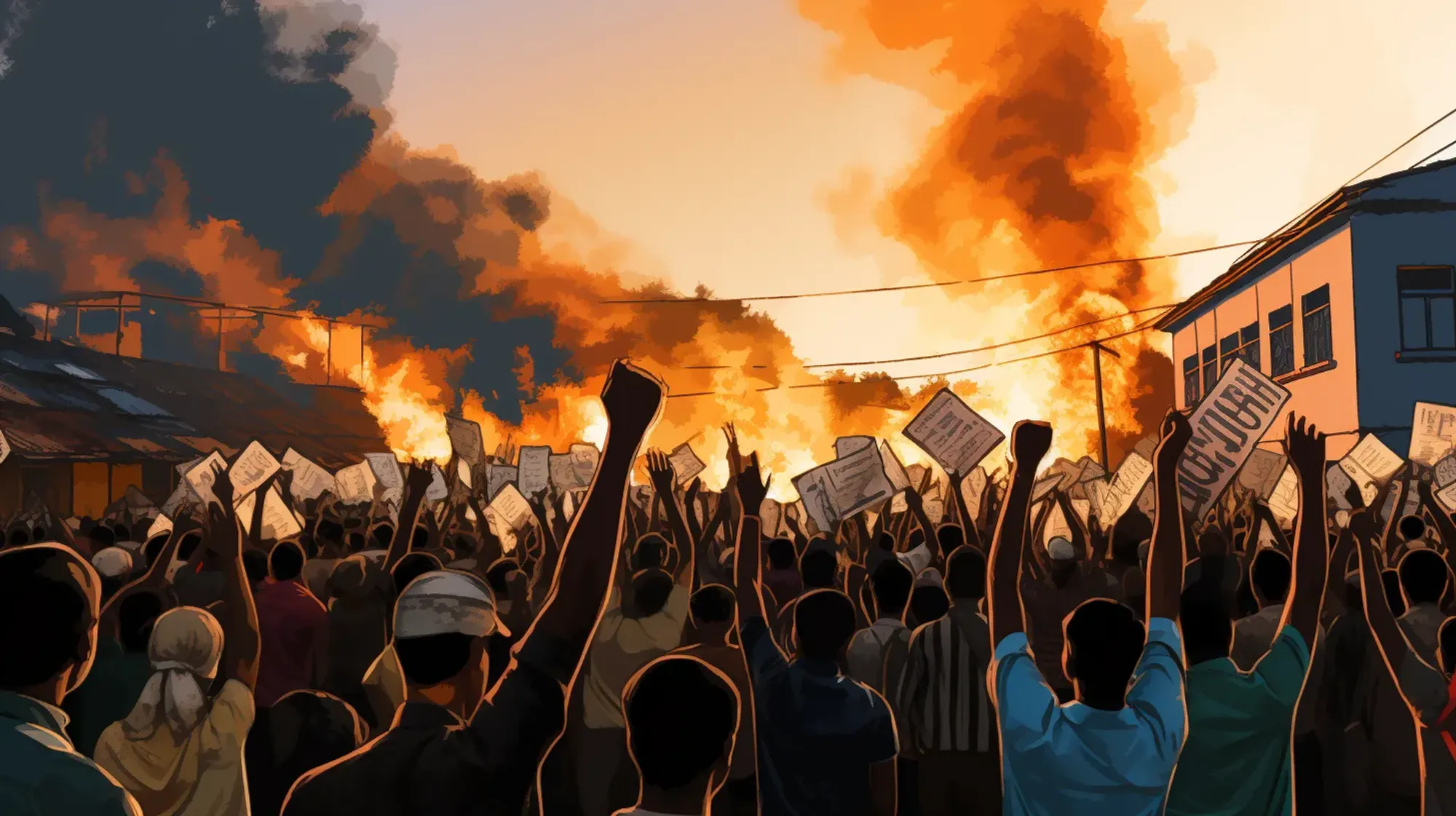
Light ’em on fire: For weeks, thousands of Bangladesh workers making as little as $3 a day took to the streets to protest for higher wages. Protestors lit factories on fire, and one worker was killed — leading to Bangladesh authorities raising the monthly minimum wage by 56% for the industry.
But workers want more and have refused to return to work, with witnesses reportedly saying they want twice the amount offered. The global union federation IndustriALL recently penned a letter to the Bangladesh government saying, “The small increase announced earlier this month is insufficient to cover workers’ needs.”
- Bangladesh manufacturers and global retailers like H&M Group (OTC:HNNMY) and Zara’s parent company Inditex (OTC:IDEXY) clashed on who would pay for the wage increase.
- Manufacturer Mohammadi Group’s chairperson told the WSJ, “Every time we ask for even one cent [more] from the buyer, it is very difficult to get their support.”
Wages go up, stocks go down
The rise of Bangladesh’s manufacturing sector helped push the country’s poverty rate down from 44.2% in 1992 to 5% in 2022. That’s put Bangladesh in a tough spot — who must balance wage increases and market competitiveness — or risk retailers moving manufacturing elsewhere.
- The world’s second-largest apparel retailer, H&M, has said it would “absorb the increase of the wages in our product prices” (BBG).
- That’s bad news for H&M, which has seen its profit margin fall from over 12.5% to just 2.6% over the last decade — stagnant sales haven’t helped either, with the stock falling almost 50% during the same period.
The move by H&M will likely impact other global retailers that have seen China’s wages double over the past decade. And price increases won’t be easy to implement — especially as competitors with cheaper options like Shein and Uniqlo-owner Fast Retailing (OTC:FRCOY) gain global popularity.

