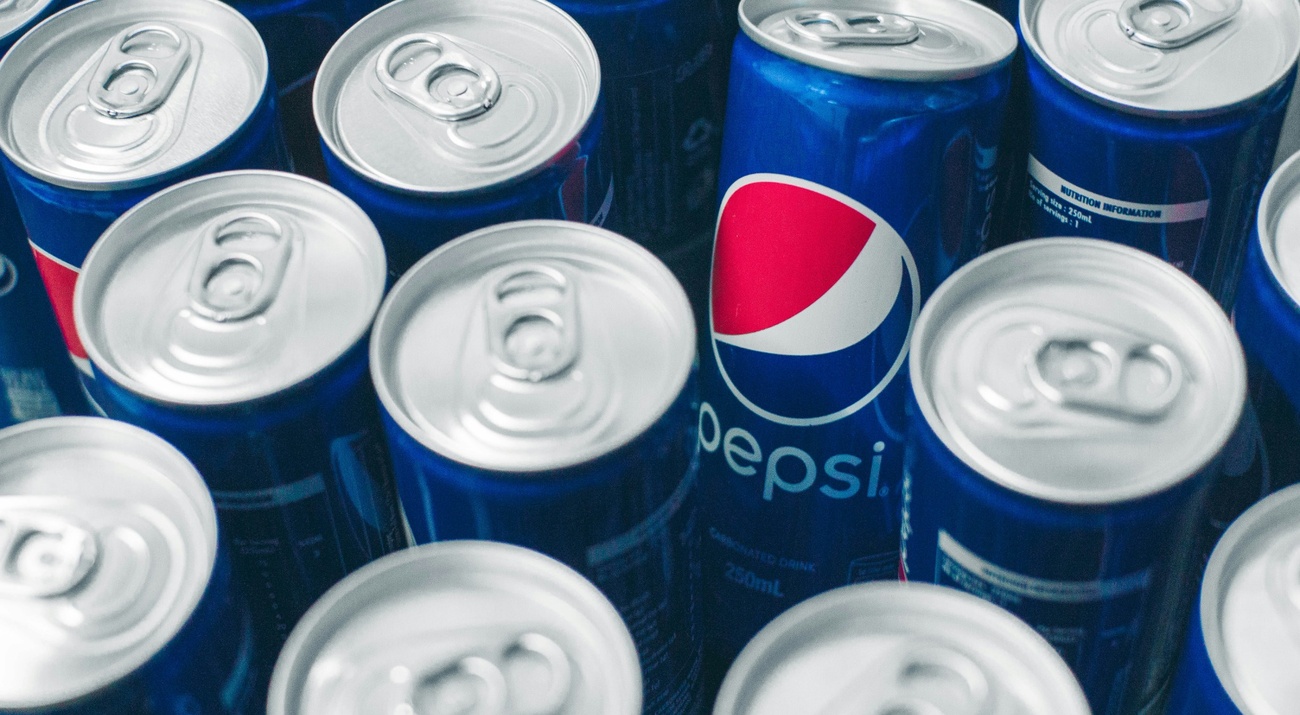
PepsiCo reported Q2 revenue of $24.2B, beating Wall Street's estimate, but its stock still fell after North American results disappointed investors.
The headline beat masked a sharp divergence. International volumes drove the top-line win, while North America food sales fell 2% and North American beverage volume dropped 4%.
Higher gas prices were a major headwind. The national average reached a four-year high of $4.56 per gallon in late May, and PepsiCo's CEO said convenience store sales weakened quickly as a result.
"I think the consumer is worse than what we had anticipated, and it's driven mainly by gas prices."
Ramon Laguarta, CEO, PepsiCo
Convenience stores are a high-margin impulse channel for snacks and drinks. When drivers spend more at the pump, they spend less inside, and convenience store traffic converted into fewer purchases than Pepsi expected.
Price cuts haven't sparked the rebound
In February, PepsiCo had cut prices on Lay's, Doritos, Cheetos, and Tostitos by up to 15% to win back budget-conscious shoppers. The strategy hasn't moved the needle fast enough.
North American food volume was flat in Q2 despite those reductions, and both revenue growth and pricing fell 2%.
Higher commodity costs are adding pressure from the other direction. The company warned of rising input cost inflation in the second half of 2026. CFO Steve Schmitt said tariff refund claims from last year and productivity savings should help offset some of that hit.
Packaging and logistics costs are also climbing as oil prices stay elevated due to the Iran war, squeezing margins even as Pepsi discounts its shelf prices.
What's still working
Not everything is soft. Global food volume grew 3% and beverage volume grew 2%, the strongest organic volume performance since 2022.
Portion-control multipacks gained in both volume and revenue. Healthier product lines including Simply, SunChips, Siete, and Quaker Rice Cakes also posted solid results.
Zero-sugar beverages like Pepsi Zero Sugar and Mountain Dew Zero Sugar were a bright spot on the drinks side. Pepsi is also reformulating products to remove artificial colors and flavors, and adding protein-focused options like Quaker Protein Rice Crisps.
The company kept its full-year organic revenue guidance at 2% to 4% growth, with core constant currency EPS expected to rise 4% to 6%. But Schmitt tempered expectations for the domestic business, saying Pepsi now expects a more gradual improvement in North America for the rest of the year.
The company plans to increase North American advertising and marketing spend in the second half. For now, PepsiCo's recovery story runs on international momentum while it waits for gas prices to ease and US shoppers to return to the snack aisle.

