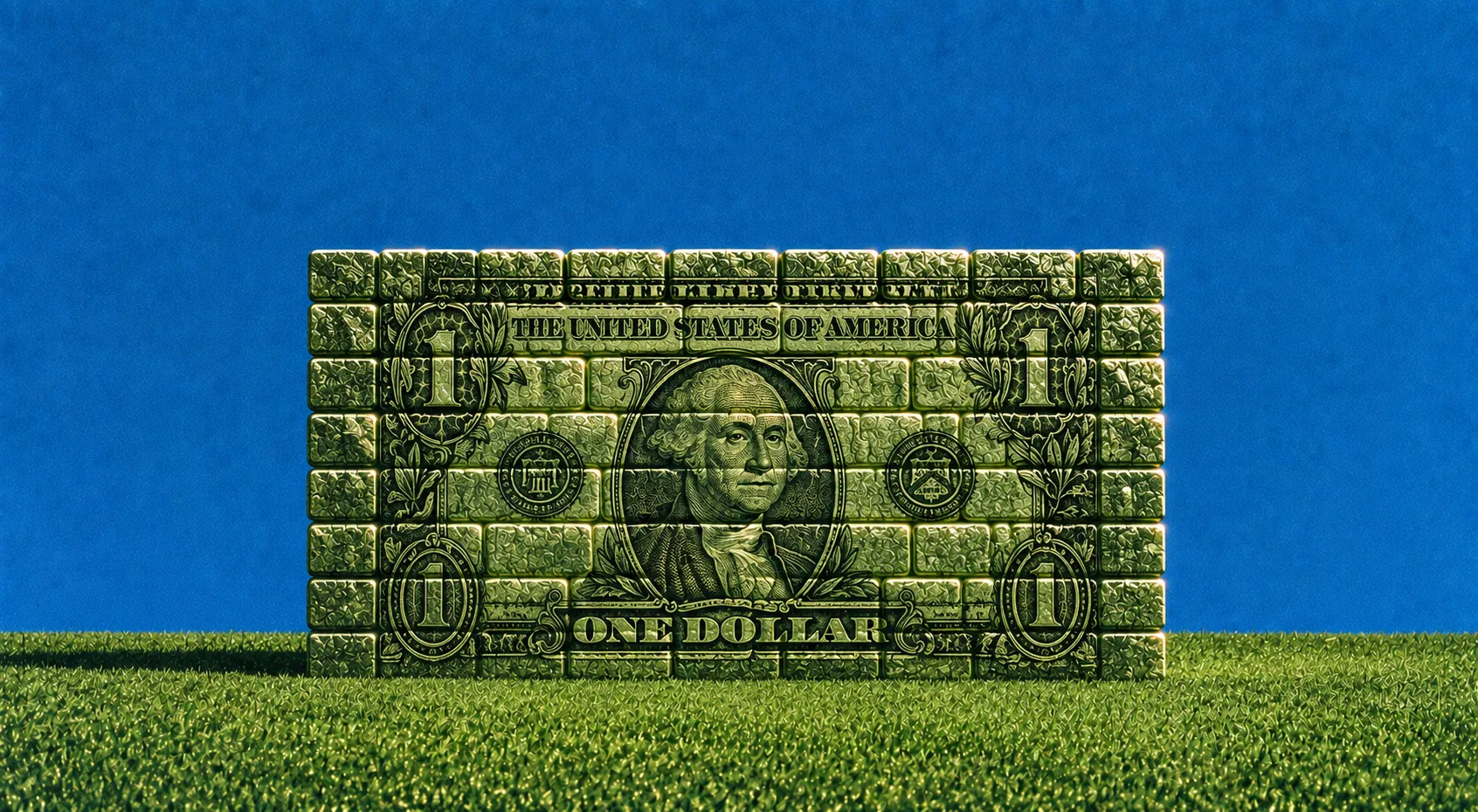
Government bonds set the price of money for everyone else, from mortgages to corporate loans. When their yields jump, every other asset gets repriced against them. That repricing turned violent this week as US long-term borrowing costs hit levels last seen more than two decades ago.
Treasury yields hit two-decade highs
The 30-year Treasury yield climbed above 5.45%, its highest since 2004, while the benchmark 10-year reached 5.158%. The latter had already jumped 0.15 percentage point to 5.11%, its highest since 2007, as investors sold government debt and pushed yields higher.
The pressure extends well beyond Washington. Japan's 10-year yield reached its highest since 1996, while French and German yields climbed to levels last seen in 2008.
"Every major bond market's feeling the heat at once."
Nigel Green, deVere Group
Oil adds to inflation fears
Brent crude climbed above $107 a barrel, up roughly 4%, after US-Iran talks at the United Nations failed to make progress toward ending the seven-month war. US crude approached $96, adding another source of pressure for consumers and businesses already facing higher borrowing costs.
The national average diesel price reached $4.51 Thursday, up 73% since the war began, while regular gasoline averaged $4.48, roughly 50% above late-February levels. S&P Global's September survey showed US business activity accelerating even as input costs rose at their fastest pace in four years.
That combination is particularly uncomfortable for bond investors. Stronger economic activity gives the Fed less reason to ease policy, while persistent inflation erodes the value of the fixed payments bonds provide.
Wall Street braces for rate hikes
Expectations for the Fed have shifted sharply. Traders now see a 64% chance of an October rate hike, up from 11% a month ago, according to CME FedWatch. Barron's puts the probability closer to 70%.
Fed officials are also leaving the door open to tighter policy. New York Fed President John Williams said another hike may be appropriate by year-end, while Philadelphia Fed President Anna Paulson suggested modest further tightening could be warranted.
Treasury Secretary Scott Bessent has fought the move and lost ground. His department was set to buy back up to $6B in 20- to 30-year bonds Thursday, the second such operation. After the first, yields rose.
What gets hit and what holds
The pain is concentrated in anything that competes with a 5% risk-free yield. Utilities, real estate, and consumer discretionary stocks were the worst performers in Wednesday's selloff.
The State Street Utilities Select SPDR ETF dropped 2% and hit a new 52-week low. The Vanguard Real Estate ETF also fell 2%. Bonds themselves offered no shelter. The iShares Core Aggregate Bond ETF slid 0.8% and the iShares MBS ETF lost 1%.
Housing is the clearest transmission channel. The average 30-year fixed mortgage rate jumped to 7.26% Wednesday, the highest since Jan. 13, 2025.
Gold fell almost 2% to $4,285 an ounce, since higher real yields tend to depress precious metals. The dollar gained ~0.5% against a broad basket of currencies.
Municipal bonds held up better than Treasuries. Triple-A muni yields rose less than a tenth of a point to 4.96%, helped by retail demand at yields near 5%.
How investors are reading it
Equities have absorbed the move so far. The Nasdaq closed at a record high on Tuesday before three straight days of losses, with the S&P 500 down 0.5% and the Nasdaq down 0.8% Thursday.
Bank of America's global rates analysts point to a 4%-type unemployment rate and 2%-ish growth as still solid. They flag trade wars, the energy supply shock, midterm elections, and AI boom risks as piling up.
BlackRock's chief investment officer of global fixed income called the selloff not a crisis but an eye-opener. Rick Rieder was a finalist for the Fed chair job that went to Kevin Warsh.
The path back down runs through oil. Yields could pull back if traders scale back bets on higher central bank rates, though analysts expect long-term yields to stay elevated.

