Federal Reserve Holds Rates at 3.5% to 3.75%. Half of FOMC Members Still Expect Another Hike
The Federal Reserve voted unanimously Wednesday to hold its benchmark federal funds rate in a range of 3.5% to 3.75%. It was the fourth consecutive hold, as inflation climbed to its highest level in more than three years.
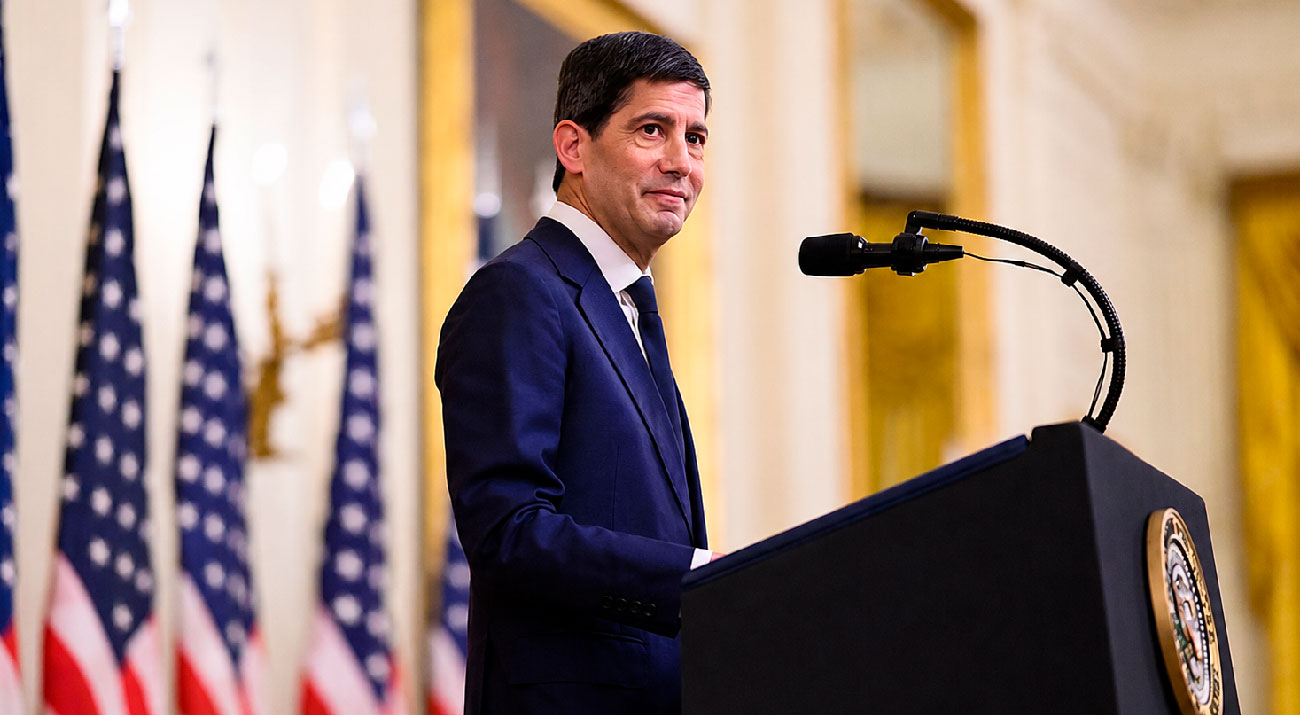
The decision was the first presided over by new Fed Chairman Kevin Warsh, who was nominated by President Trump to succeed Jerome Powell.
May's Consumer Price Index rose 4.2% year over year, the sharpest reading since April 2023. Energy prices accounted for more than 60% of that increase.
The Iran war's disruption of global oil supply is the primary driver of that energy shock. A preliminary US-Iran peace deal has since sent oil prices lower.
The Dot Plot
Policymakers' median inflation forecast for 2026 jumped to 3.6% from 2.7% projected in March. Their core inflation forecast rose to 3.3% from 2.7%.
Nine of 18 Federal Open Market Committee (FOMC) members submitted projections calling for at least one rate hike this year, with six of those expecting two or more.
The other nine see rates holding steady or moving lower.
Notably, only 18 of 19 officials submitted a rate forecast. The missing entry is widely attributed to Warsh, who has been publicly critical of the Fed's forward guidance practices.
The unanimous hold itself was notable given that the April meeting produced four dissents, the most since October 1992.
Warsh's Intentions Remain Unclear
Investors entered Wednesday's meeting with genuine uncertainty about Warsh's policy instincts.
Steve Sosnick, chief strategist at Interactive Brokers, questioned whether Warsh's hawkish financial-crisis record would hold, or whether he made assurances to Trump on lower rates.
During his five years as a Fed governor from 2006 to 2011, Warsh never cast a dissenting vote. He raised consistent concerns about inflation and central bank credibility.
He has also signaled he will not commit to holding a press conference after every policy meeting, a practice Powell institutionalized.
"You can't talk about cutting rates in this environment," Olu Sonola, US head of economic research at Fitch Ratings, said before the decision.
Inflation is also outpacing wage growth for the second straight month, with CPI at 4.2% against average hourly earnings growth of 3.4% in May.
The Fed lowered its 2026 growth outlook to 2.2% from 2.4%, and cut its unemployment forecast to 4.3% from 4.4%. Both signal modest downside risk to the expansion.
The FOMC is evenly split on the next move, and Warsh has signaled a tighter communications approach. The rate path through year-end depends on whether the Iran ceasefire holds and energy prices retreat.

