Chocolate Demand Is Recovering Slowly. Cocoa Processors Are Already Moving On
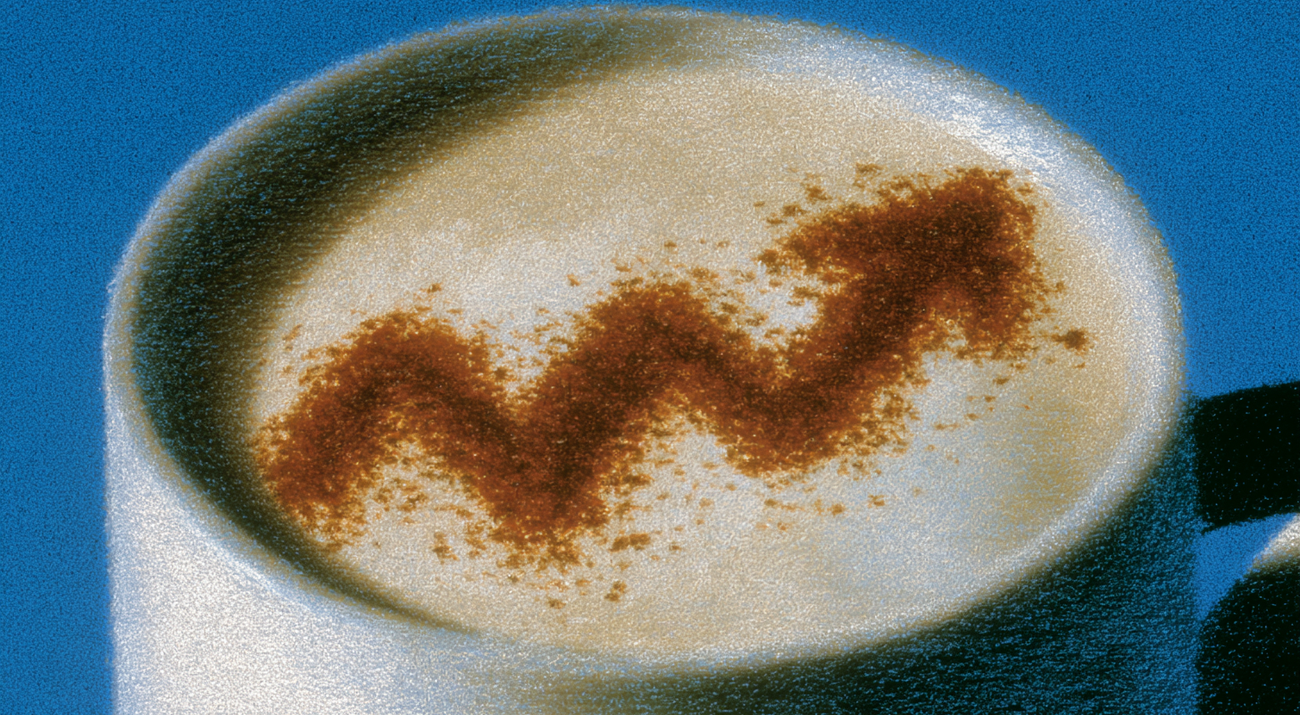
The global cocoa industry is at a turning point. A historic price spike in 2024 crushed chocolate consumption, pushing processors toward drinks, bakery, and nutrition. Recent earnings suggest conditions are beginning to stabilize, though progress remains uneven.
The uneven recovery
Barry Callebaut AG, the world's largest cocoa processor, posted its first volume growth in over two years in its most recent quarter.
Sales volume rose 5.7% in the three months ended May, driven by customer restocking and stronger demand for cocoa powder, although nine-month volumes were still down 2.8%.
The recovery has yet to reach chocolate makers. Lindt said groupwide price increases of 11.8% pushed first-half chocolate volumes down 7.5%.
Hershey and Mondelez International also reported weaker chocolate sales in their latest quarters, even as other snack and food categories held up better.
US unit sales of chocolate candy fell roughly 4% over the 12 months ending July 4, according to NielsenIQ data cited by Bloomberg. Sales of diet and nutrition-focused foods rose 9% over the same period, including chocolate-flavored shakes and powders.
Processors are moving into drinks and bakery
Barry Callebaut has made expanding beyond candy a core growth pillar, with its CEO pointing to ice cream, bakery fillings, and inclusions as areas where chocolate flavor remains strong.
California-based Guittard Chocolate recently revamped its chocolate batons with a higher-cacao formula targeting pastry chefs. Its premium business is outperforming mass-market sales, with demand driven by the morning coffee and bakery occasion.
Smaller processors are also finding traction. Philippines-based Auro Chocolate, a craft producer, now sells cocoa powder to beverage companies, with its products stocked in retailers including 7-Eleven.
"Now people are very open to experimenting more. Rather than cocoa powder just being a standard, almost generic ingredient, now we've made it something unique."
Kelly Go, Auro Chocolate
Cocoa powder has held up better in price than cocoa butter over the past two years, according to data from Commodity Risk Analysis unit KnowledgeCharts. That pricing dynamic is part of what makes powder-led diversification attractive for processors right now.
El Nino is the biggest risk to watch
The recovery story carries a meaningful supply-side risk. NOAA has declared the arrival of El Nino and puts the probability of a very strong episode at 63% heading into 2027.
Every strong El Nino in the past 55 years has reduced cocoa output, according to investment firm WisdomTree. Cocoa futures have fallen nearly 60% from their record peak in December 2024
About half the world's cocoa is grown in Ivory Coast and Ghana. During the last El Nino in 2023-2024, West Africa first saw excess rainfall that exposed trees to fungal disease, then intense heat that caused trees to drop their flowers.
But Barry Callebaut's CFO argued the situation differs from 2023-2024 because the market is entering the new crop year with ample stocks following a strong surplus. The company has also diversified its sourcing origins and improved its bean blending capabilities.
Volatility in the New York cocoa market has hit its highest point this summer since 2024, and Barry Callebaut has seen meaningful growth in its cocoa alternative ChoViva, which is made from sunflower seeds rather than cocoa beans.
What to watch on pricing
Chocolate companies are being cautious about price cuts. Lindt has selectively lowered prices in Germany and Switzerland around Christmas.
Neither Barry Callebaut nor Nestle has announced price reductions. Instead, they're leaning on social media trends and premium product innovation to drive volumes.
The key forward indicator is cocoa grind data, a measure of how much cocoa is being processed, used as a proxy for chocolate demand.
Barry Callebaut's CFO said demand recovery will be gradual. Ivory Coast grind data rose 39.7% year on year in May, a positive signal, but the company cautioned that broader demand recovery will take time.
Processors with exposure outside the confectionery aisle are better positioned if chocolate demand stays soft. Companies that rely heavily on mass-market chocolate face continued volume pressure as prices remain well above the $2K-$3K per metric ton historical norm.

