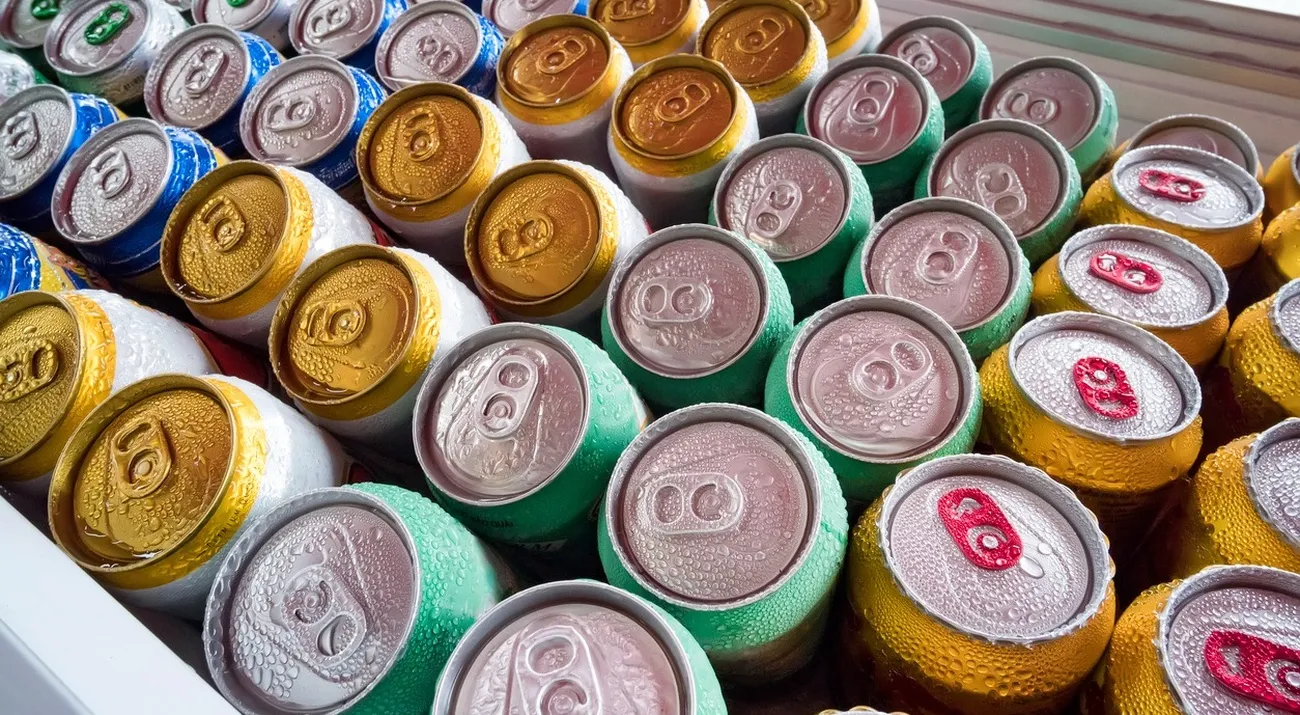
Carlsberg raised the lower end of its full-year profit guidance this month after soft drinks and alcohol-free brews offset a 1% decline in beer volumes in the first half of 2026.
Nonalcoholic and soft drink lines posted 7.8% organic growth. Beer volumes fell, dragged down by weak demand in Poland, China, and Ukraine.
The shift reflects a broader industry reckoning. The share of Americans who drink alcohol has dropped to a historical low, and underage drinking hit all-time lows in 2025.
Spirits companies have cycled through CEOs at a rapid clip, Diageo, Brown-Forman, Constellation Brands, and Rémy Cointreau all changed leaders in the past 18 months.
Canned cocktails are the industry's clearest bright spot
US sales of ready-to-drink premixed cocktails grew at an 11% combined annual rate since 2019, while overall alcohol sales fell 1% over the same period.
The category hit $3.8B in US sales last year, up from $489M in 2020. Brands like Surfside and Carbliss, and wine-company-owned High Noon, are winning younger consumers with low prices, easy formats, and bold flavors.
Gen Z isn't abstaining. Some 74% of US Zoomers of legal drinking age report drinking in the past six months, up from 66% three years ago.
They prefer convenience stores and supermarkets over bars, and they're drawn to drinks that fit festivals, small gatherings, and sober-curious social settings.
"They've got this 'I don't want to drink my parents' drink' element."
Ed Mundy, Jefferies
So far, the major spirits groups have largely missed the RTD wave. The leading brands are independents or owned by beer and wine companies.
Diageo's new CEO recently flagged canned cocktails as central to the company's revival plan, and Sazerac bought BuzzBallz in 2024 and is rolling it out globally.
Beyond RTDs, bar menus are also shifting toward zero-proof cocktails, cannabis drinks, and functional beverages with adaptogens and nootropics.
Hard seltzers using real spirits, like High Noon, have carved out a durable middle ground between nonalcoholic options and full-strength drinks.
Trade politics are piling on
The industry is also navigating a geopolitical headache. Canadian provinces pulled US-made wine, spirits, and beer from shelves in retaliation for Trump-era tariffs.
US distilled spirits exports to Canada plummeted 70% between March and December 2025. US wine exports fell 77%, dropping from $460M in 2024 to $103M last year.
Canada was the largest buyer of US wine before the bans. Napa Valley winery Crosby Roamann, which had been shipping roughly 10% of several wines' production to Ontario, now has 100 cases sitting in Canadian storage with no buyer.
Nearly three-quarters of Canadians say they're unlikely to buy US alcohol even if the bans are lifted, suggesting the trade dispute may have permanently shifted some consumer habits.
For US producers already contending with falling domestic demand and a generational shift in drinking culture, that's a second front they can't easily afford.

