Autonomous Vehicles Shift Into High Gear With Alphabet-Owned Waymo Leading and Tesla’s Reveal Approaching
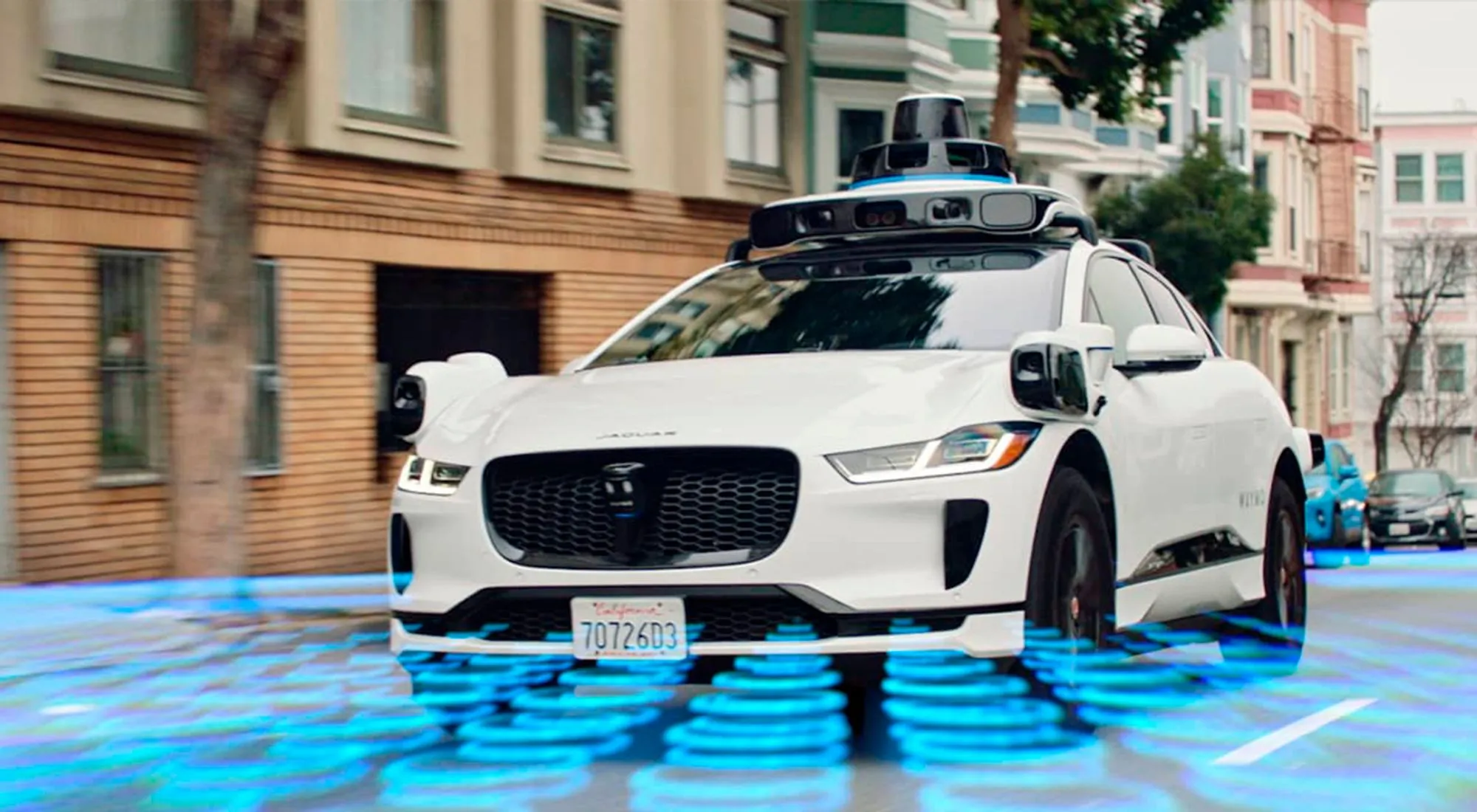
Steep hills and winding roads can’t stop Waymo’s robotaxis from navigating San Francisco’s streets with increasing confidence — and frequency. This week, Alphabet doubled down on its autonomous vehicle (AV) division, committing $5B to Waymo over the next several years. McKinsey’s report earlier this year described 2023 as a “tipping point” for the industry, highlighting that the sector “is beginning to take shape.” Companies are racing to secure their positions in a race where few are expected to dominate.
Shifting gears: Waymo’s expansion comes at a time when the AV industry is facing both advancements and setbacks. Earlier this year, Apple axed its electric self-driving vehicle project — despite plowing billions into research and development. While other contenders, like Cruise, owned by General Motors, have stumbled due to safety incidents, Waymo continues to push forward with the backing of its deep-pocketed parent company.
- Waymo now has hundreds of cars completing tens of thousands of rides per week across SF, including many tourists who see it as a uniquely high-tech experience.
- Last month, the company opened its driverless taxi service to all SF residents and has already launched robotaxi services in Phoenix and Los Angeles, with Electrek reporting plans to start operations in Austin later this year.
Are Robotaxis Ready for Primetime?
Despite progress, Waymo still faces challenges in taking AVs mainstream. Pickup and drop-off can be stressful when buses block the robotaxi’s path, and increased demand has led to higher prices and wait times. Instances of cars stopping at green lights or blocking traffic have frustrated some residents. Regulatory buy-in has been another major hurdle — and it’s no surprise, considering the headline-grabbing accidents involving self-driving vehicles.
- In February, a group set fire to an empty Waymo vehicle that had stopped in a crowded area during Lunar New Year celebrations in SF’s Chinatown.
- Waymo is currently under investigation by the National Highway Safety Traffic Administration for safety incidents, including collisions with gates, chains, and parked cars.
- Last October, the California DMV revoked Cruise’s AV testing permit following several incidents, one involving a pedestrian being dragged 20 feet.
Hitching a ride: Tesla investors are also focusing on robotaxis, having first hinted at a network of self-driving vehicles in 2016 — with CEO Elon Musk stating, “If you believe Tesla will solve autonomy you should buy Tesla stock, and all other questions are… noise.” Analysts are concerned about the potential impact on companies like Uber and Lyft — and whether Tesla will run its own robotaxi service.
In 2020, Uber sold its self-driving vehicle research division to startup Aurora, opting instead to partner with them via a $400M investment. Uber has also collaborated with Waymo, which began making food deliveries for Uber Eats in Phoenix earlier this year. However, analysts at Melius Research warn that a new entrant into the ride-sharing market “brings a cloud of uncertainty to an industry just starting to click, illustrating the uncertainty around autonomy” (TS).
The future of autonomous vehicles remains uncertain, with regulatory hurdles, technological challenges, and public skepticism still looming large. However, Waymo’s SF rollout provides a glimpse of the potential for driverless cars to transform transportation. As one Waymo product director told Bloomberg, “We’re just trying to make sure people understand that yeah, this has actually arrived.”

