Customers lost access to their Apple accounts, app downloads and checkout systems in the company's own stores for hours on Nov. 17. Apple blamed an internal update rather than an outside attack.
The company's System Status page flagged problems with iCloud's Account & Sign In services affecting all users, alongside the App Store, AppleCare on Device, and Apple Music.
The list grew through the day to include Apple School Manager, iCloud Mail, iCloud Web Apps, Schoolwork, and the Volume Purchase Program.
Apple's Outage List Grew From Four Services to Nine
Apple services listed as disrupted on the company's System Status page, Nov. 17, 2026
Bar chart. Services listed. First reports: Services listed 4. Later updates: Services listed 9.
Source: Reporting by TechCrunch: Apple System Status page
Downdetector logged reports across Apple Pay, Apple Support and iPhone activation while Apple's own status page still showed services as available.
Issues started around 11:45 a.m. ET, with users unexpectedly signed out of their Apple Accounts and unable to sign back in.
Retail stores couldn't take payments
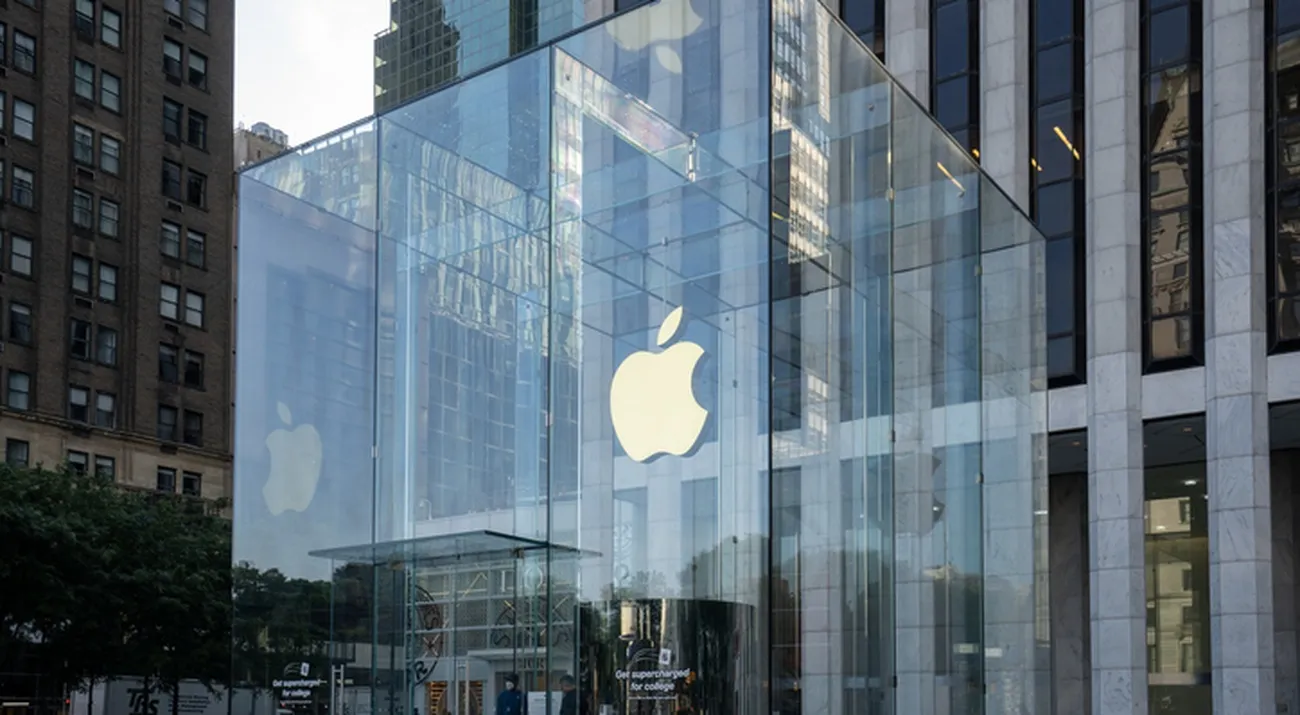
Apple retail store systems went offline, leaving customers in stores unable to complete purchases.
Staff also reported trouble retrieving online orders, processing pickups, and helping with repairs, though Apple hasn't published a list of affected stores.
Developers separately lost access to App Store Connect, and some buyers couldn't activate new iPhones at all.
"Many of our systems are back up and running after an internal update caused some outages."
Apple, via The Independent
Apple ruled out a cyberattack and said it was working to restore the rest as soon as possible, without saying what changed during the update or which systems failed.
A fourth major failure in five days
Microsoft traced its nearly 24-hour Outlook, Teams, and Exchange Online disruption on Nov. 12 to a previously undetected software bug introduced in July, increased network traffic and reduced server capacity.
The Federal Aviation Administration grounded flights nationwide the next day after a flood of data destabilized legacy equipment, hitting 17 of its 22 Air Route Traffic Control Centers.
JPMorgan Chase then lost online banking and payments for hours on Nov. 16, with Downdetector reports nearing 5K and a software release blamed.
A partial outage on the National Security Agency's internal classified network also drew attention that week, blamed on a software glitch.
None of the week's failures have been tied to a cyberattack.
Homeland Security Secretary Markwayne Mullin floated AI as a cause on Fox News, citing an unnamed tech contact, then said he was 98% certain there was no cyberattack.
NYU professor emeritus Gary Marcus, who was stuck in Newark for almost 48 hours, told Fortune he doubts the public is getting full candor on the incidents.
Why one update spread so far
The incident showed how much routine business now runs through Apple's systems, from app downloads to new phone setup to store pickups.
Apple has offered no detail on what the update altered or where the failure began, or why one change reached so many services.
The company has not said whether it is adding safeguards, and some iCloud services were still listed as disrupted by Tuesday evening.

