
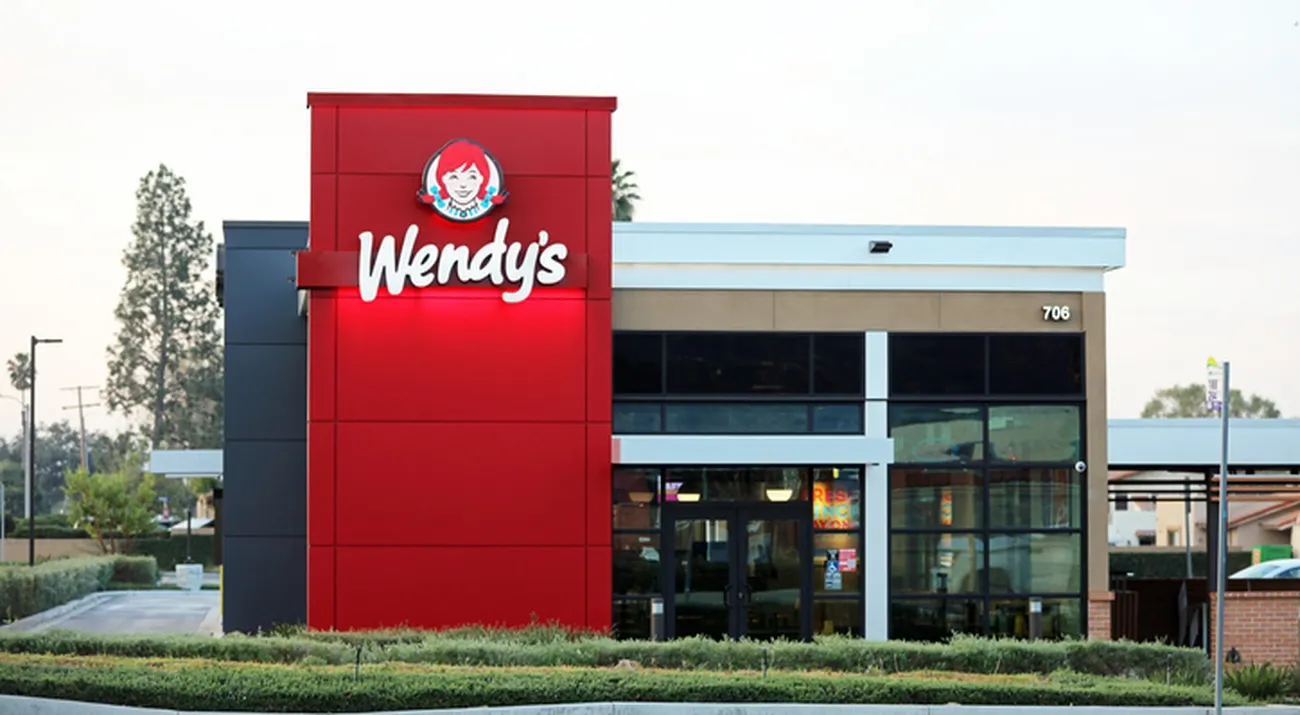
Wendy's rejected a $1.4B take-private proposal from an investor group led by Nelson Peltz's Trian Fund Management and adopted a stockholder rights plan to fend off a hostile takeover.
The nonbinding cash offer arrived Oct. 28 from Trian alongside Flynn Group, BlueFive Capital and Sixth Street Partners. Flynn Group runs more than 340 Wendy's locations and ranks among the chain's largest franchisees.
A committee of independent directors, formed in February to evaluate any Trian bid, unanimously rejected the offer after reviewing it with financial and legal advisers. The committee said the proposal substantially undervalues Wendy's standalone prospects and the earnings potential of Dave's Way, the turnaround plan built around menu value and marketing. Board chair Art Winkleblack said the committee's confidence rests on Wright's record of restaurant turnarounds.
Before the offer became public, Wendy's market capitalization stood at about $1.2B. The bid priced the whole equity at roughly $1.4B.
Trian's Offer Valued Wendy's Above Its Pre-Bid Market Value
Equity value, USD billions, as of Oct. 28, 2026
Bar chart. Equity Value ($B). Trian-led takeover offer: Equity Value ($B) $1.4. Wendy's market value before offer: Equity Value ($B) $1.2.
How the poison pill works when the bidder is already above the line
The board approved a one-year rights plan on Nov. 4, effective immediately, with rights becoming exercisable once a person or group reaches 15% of shares outstanding. If triggered, every shareholder except the acquirer can buy stock at a discount, diluting the bidder's stake and making a creeping takeover far more expensive.
Trian and related parties already own a 16.3% stake, above that threshold, so the fight now moves to the open market rather than the boardroom.
Wendy's said the group refused a customary standstill agreement that would have paused additional share purchases, a factor the board weighed before adopting the pill.
Peltz's history with the chain runs deep. His company Triarc bought Wendy's in 2008 in a $2.3B deal, and Trian president Peter May has held a board seat since that year. Wendy's named Peltz chairman emeritus in 2024 after 17 years on the board.
The operating backdrop is still ugly
US same-store sales fell 5.7% in the third quarter, the seventh straight quarterly decline, though adjusted earnings of 13 cents topped estimates and revenue beat Wall Street's expectations.
The offer landed roughly three months after Wendy's withdrew its annual forecast, cut its dividend and handed the turnaround to CEO Bob Wright, who joined in May.
The company also signed a letter of intent to acquire up to 163 restaurants from Meritage Hospitality Group, with the markets it does not buy sold through Meritage's bankruptcy process. Breakfast is now optional across US stores so franchisees can focus on lunch, dinner and late-night meals.
Rocco's read on Trian's options: sweeten the offer, launch a proxy fight or get behind Wright's plan. Peltz's Disney proxy fight has its own history.
The pill runs for one year, giving Wright four quarters to show traffic and sales turning before Trian's next move. The earlier Trian approach is now a public fight over the same ground.