US Manufacturing Spend Doubles to Over $200B in Two Years: Can This Growth Be Sustained?
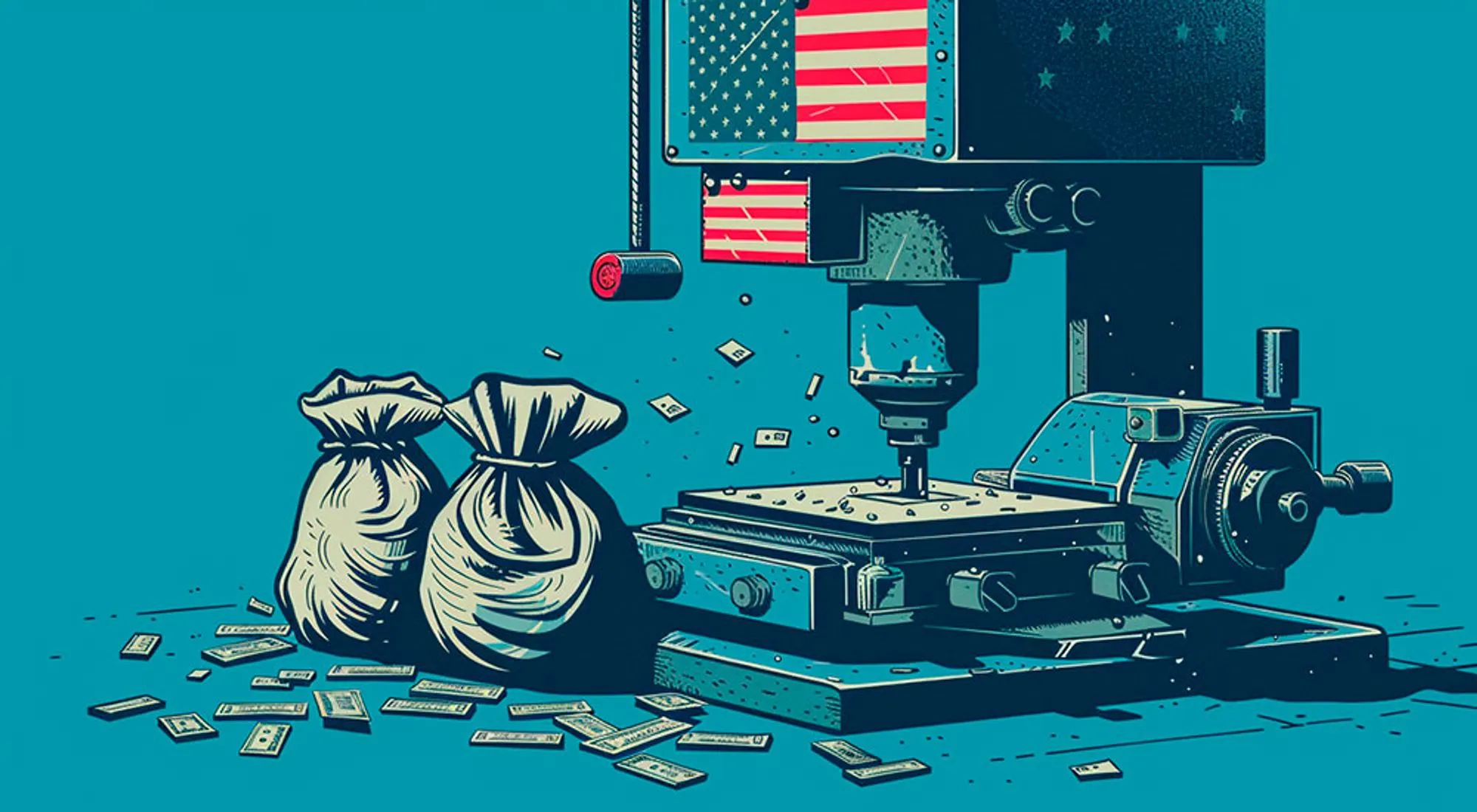
After offshoring and outsourcing their way to cheap goods, America is building like it’s 1951 again. Domestic manufacturing investments soared by 63% last year — marking the highest increase in over 70 years. This advancement has been driven by government subsidies, delayed investments due to COVID, and a desire to bring manufacturing back home amid geopolitical disruptions and tariff hikes. While the electric vehicle and semiconductor sectors have seen the most significant growth, other industries are also returning to US soil.
- Last month, GE Aerospace announced a $650M investment in its US plants — and tariff changes are also helping bring solar panel manufacturing back to the US.
- Global appliance makers are ramping up investments in the US following tariffs of up to 50%, which were in place from 2017 to last year.
Two sides of the coin: On one hand, the construction of new semiconductor facilities in the US — operated by companies like Micron, Taiwan Semiconductor, and Intel — accounts for a substantial portion of the increased manufacturing spending. Thanks to billions in subsidies from the CHIPS Act, new facility spending has surged by 122% since 2022. But on the other hand, rate-sensitive industries, like auto manufacturing, are suffering — with EV truck maker Rivian recently paused construction on a new $5B plant, joining Ford and General Motors in delaying billion-dollar factory expansions. It’s hard to tell if the economy will continue to support robust investment — and capital spending by US manufacturers may slow down this year.
Read: US manufacturing boom driving up costs for Americans



