Two UAW Scenarios for Automakers: Heads, They Lose. Tails, They Also Lose.
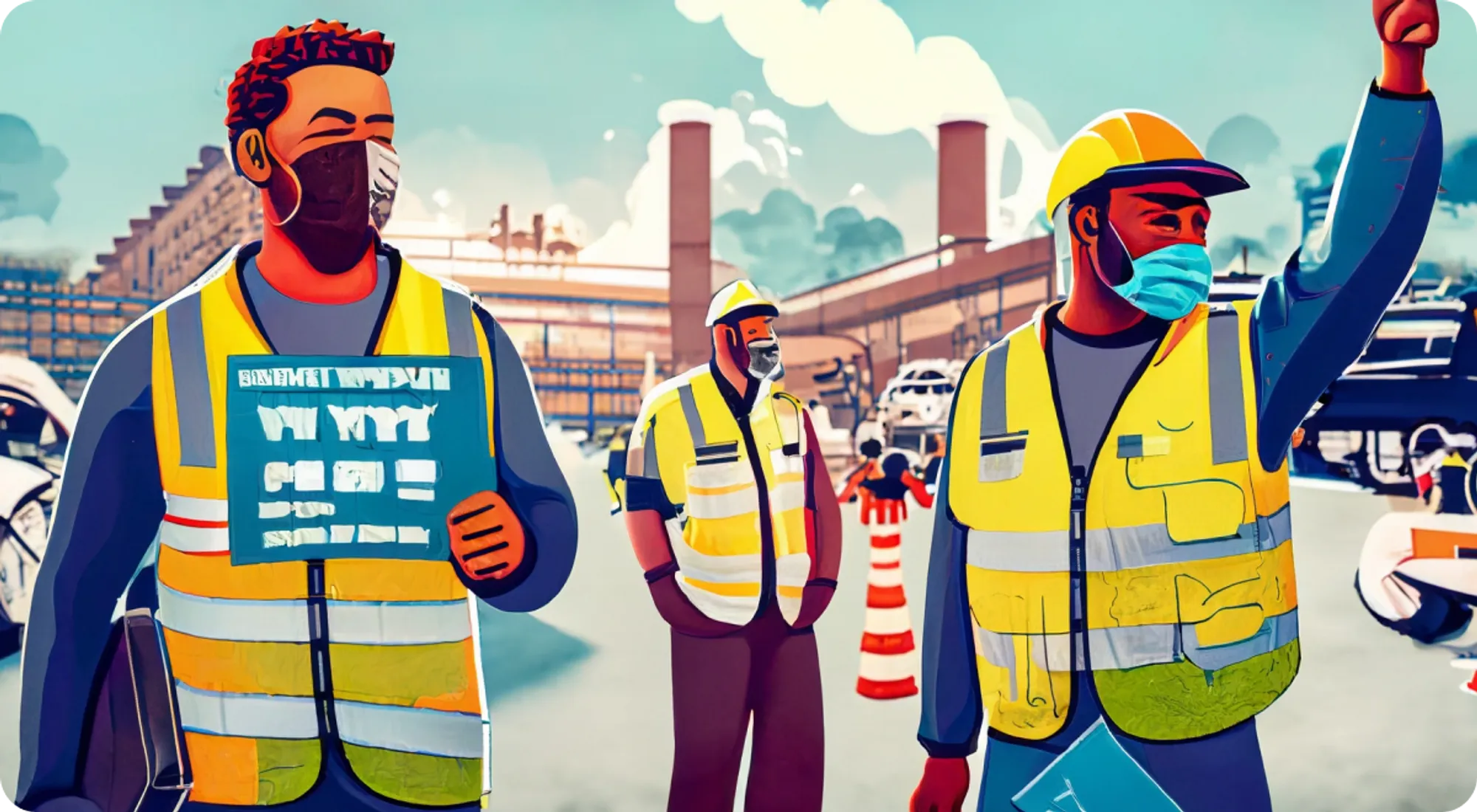
UAW strikes have crossed the 10-day mark, with strikes expanding to 38 locations across 20 states last Friday. The UAW’s president said discussions with Ford have been progressing, but not so much with GM and Stellantis.
Economic impact: Ford’s CFO says, “The auto industry has a huge multiplier effect on the economy” with recession implications (WSJ). But with only 10% of workers striking, Evercore analyst says the impacts in the first week were “negligible.” Unions are pushing for 40% raises, while automakers have countered with 20% so far.
- At the low range, Wells Fargo analysts think it could add $700M-$1.2B in annual costs to each of the Big Three automakers.
- Compared to the $9.9B in earnings GM made in 2022, the impact could be a drop in the bucket — unless the auto market takes a turn for the worse.
The strikes have arrived at an uncertain time for the auto industry — which is dancing between consumers spending the last of their pandemic savings and another rate hike potentially triggering a recession.
Lose-lose scenario for the Big Three
In the past five years, the Big Three had a combined $99B net income, with earnings accelerating in recent years. Automakers are arguing those profits are needed for investments towards the EV transition — while workers want a greater share of those earnings and job preservation.
What’s on the line? Carmakers’ EV competitiveness — where higher costs will likely put them further behind Tesla (NASDAQ:TSLA) or Chinese automakers. Even Ford’s CEO says their biggest competitor is China — which is expected to make up 60% of the world’s new EV sales this year.
- China has specialized in developing low-cost EVs, which is practically nonexistent in the US.
- This year, China took the top spot away from Japan as the world’s largest auto exporter.
For now, a 27.5% tariff has made it difficult for Chinese EV makers to enter the US. Instead, they’ve focused their international expansion efforts in Europe — leaving Tesla as the primary beneficiary from the strike. But experts expect China to break into the US market one way or another — following the Toyota and Honda playbook when they entered the US in the 70s with cheaper vehicles.

