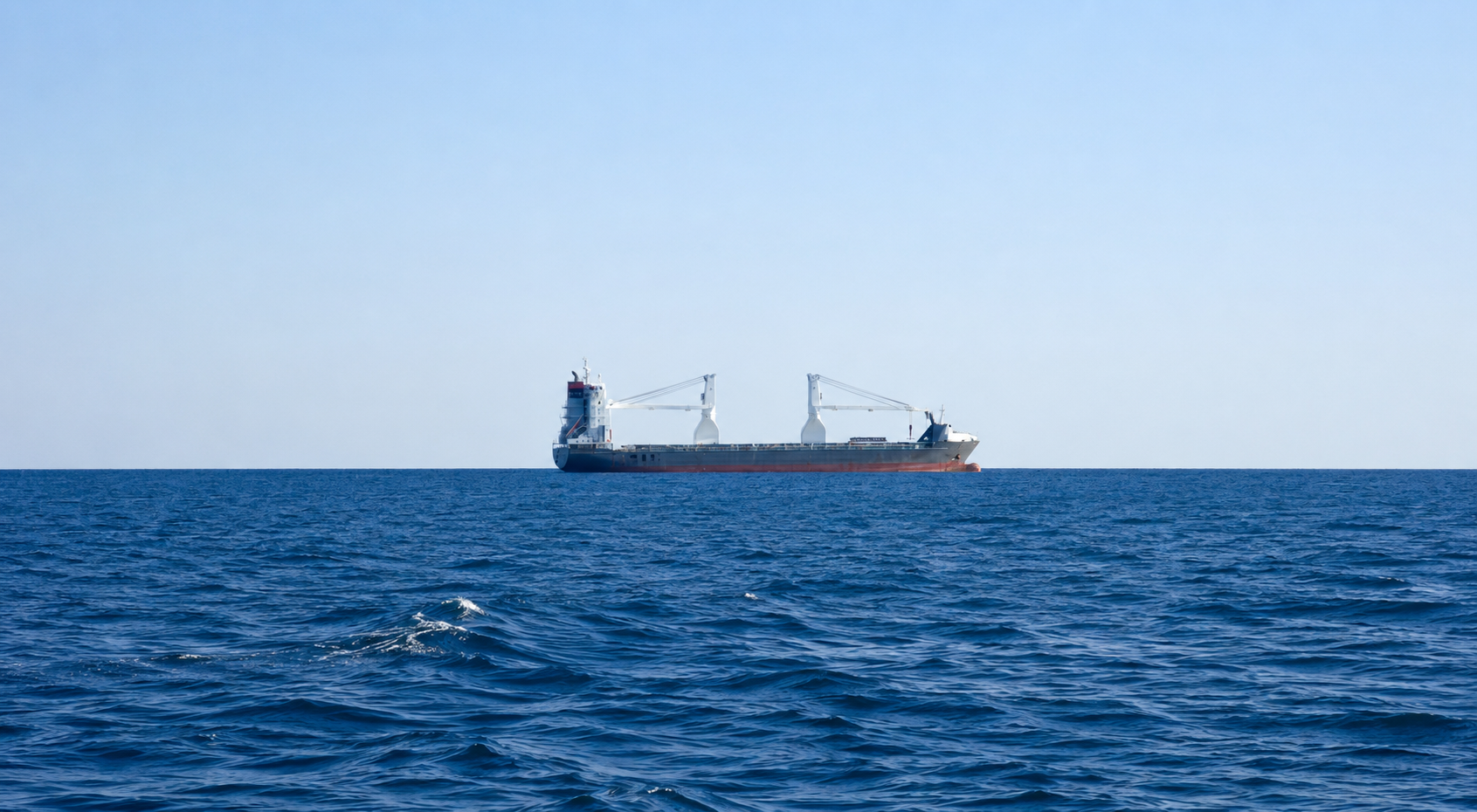
President Donald Trump reinstated a US naval blockade of Iranian ports on July 13 and announced a 20% fee on all cargo transiting the Strait of Hormuz, declaring the US the waterway's permanent "guardian."
The announcement came as US and Iranian forces exchanged their heaviest strikes since an April ceasefire, with Iran claiming it had closed the strait entirely.
Trump posted on Truth Social that the US would be "reimbursed, at the rate of 20% on all cargo shipped, for any and all costs necessary to do the job of providing safety and security" in the waterway.
He framed the fee as compensation for decades of unpaid protection, telling Fox News, "We guarded it for nothing, and now we're going to guard it. We're going to get paid for guarding it, a lot of money."
Why this matters to markets
About 20% of the world's oil and liquefied natural gas passes through the strait daily, roughly 20 million barrels of oil and oil products in 2025 alone.
Ship traffic has already collapsed. 52% fewer ships attempted to cross the strait last weekend compared to the prior week, and only 14 vessels transited on July 12.
Brent crude jumped more than 4% on the news to around $79 a barrel, and US stock indexes fell on inflation fears.
The fee announcement directly contradicts recent statements from Secretary of State Marco Rubio, who said in early July that "no country is allowed to charge tolls or fees on an international waterway."
How the 20% charge would actually be collected remains unclear. No mechanism has been announced, and US allies are expected to push back hard.
Diplomacy fraying at the edges
The June memorandum of understanding that had paused the war is now, in Iran's words, "in crisis." Iran's foreign ministry said it would ignore its obligations if the US did the same, though Tehran said talks with mediators from Qatar, Pakistan, and Oman were continuing.
"Both sides want to end the impasse on their own terms, and they are increasingly finding it difficult to do so."
Bader Al-Saif, Chatham House
Iran's military warned Gulf states that cooperating with the US would be treated as "an act of war."
The US military used sea drones in combat for the first time, striking a submarine and ship maintenance facility at Iran's Bandar Abbas Naval Base.
With the Houthis now threatening to re-enter the conflict after alleged Saudi strikes on Sanaa's airport, the risk of disruption extends to the Bab al-Mandab strait as well, another critical chokepoint for global energy exports.

