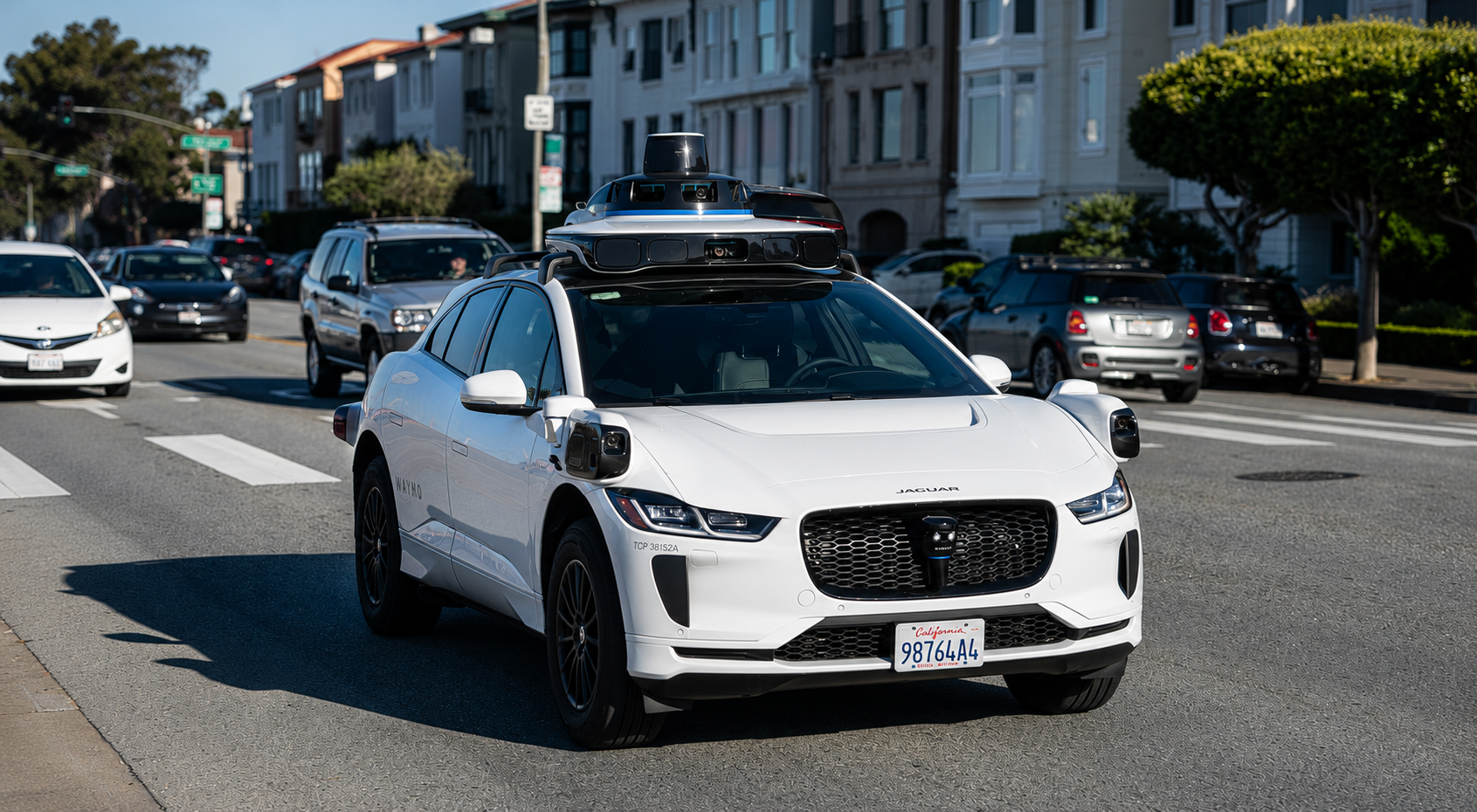
Uber is lobbying lawmakers in Washington, DC and New Jersey to require robotaxis to operate on ride-hail platforms that also use human drivers, a move that would effectively force competitors like Waymo onto Uber's app.
Documents viewed by Wired and obtained through public records requests show Uber's lobbyists pushing what the company calls "hybrid networks," a single platform where robot cars and human drivers coexist.
In New Jersey, an Uber lobbyist circulated legislative language that would require any driverless ride-hail platform to have human drivers handle 85% of rides for three years.
That restriction would block Waymo, Zoox, and Tesla from running their own standalone robotaxi apps in the state.
In DC, a bill introduced by Council Member Charles Allen in May would update the city's 2012 autonomous vehicle law to allow fully driverless commercial operations. Uber opposes the bill, arguing it would hand Waymo a de facto monopoly. Waymo supports it.
The regulatory battle
The stakes are concrete. Waymo, owned by Alphabet, provides more than 500,000 rides per week across 11 cities and has already committed tens of millions of dollars to build two DC service centers.
If the DC Council approves the bill, Waymo says it would hire hundreds of workers for roles like fleet technician and vehicle maintenance staff.
The DC bill also proposes a $0.15-per-mile tax on robotaxis, with 50% of revenue going to public transit and the remainder to workforce development for drivers at risk of displacement.
Permits would cost up to $5M in non-refundable fees, a threshold critics say would block all but the largest players.
Labor unions, including local Teamsters and transit workers, plan to rally against the bill. They are recruiting Uber and Lyft drivers to testify, saying the legislation lets Silicon Valley profit at DC workers' expense.
Frenemies with lobbyists
Uber and Waymo are already partners. Waymo robotaxis are available exclusively through Uber's app in Austin and Atlanta.
But the relationship has visibly frayed, Uber's CTO publicly called a Waymo vehicle "scary" on social media, and the two companies ended a Phoenix pilot in May.
"Any argument that you can improve consumer welfare by forcing certain business models and canceling out others does not improve people's mobility choices."
Greg Rogers, The Innovation Majority
Uber frames the hybrid push as a pro-worker compromise, noting that one AV displaces roughly four drivers in markets like California.
Critics call it regulatory capture, a strategy designed to extract rent from any AV company that wants to reach riders.
The DC Council is not expected to vote until fall, but Uber has made clear it plans to push the same framework in other cities and states.

