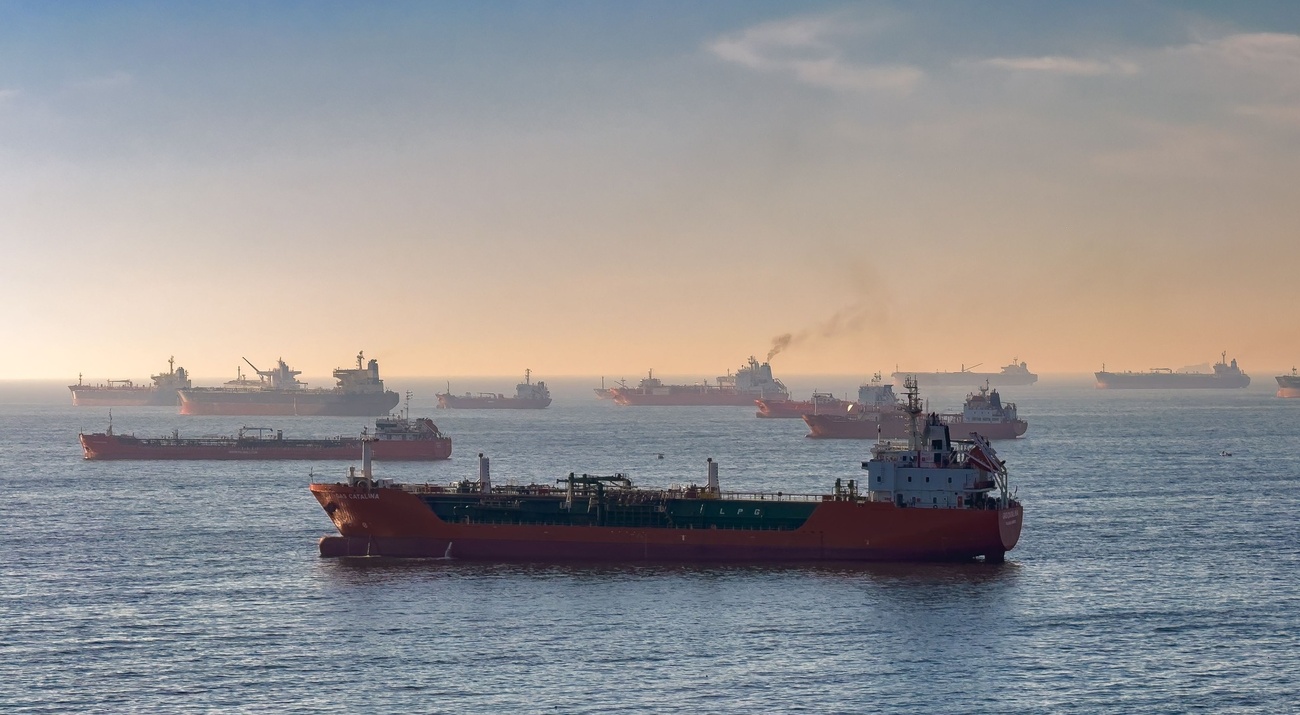
President Trump scrapped a proposed 20% fee on cargo transiting the Strait of Hormuz on Tuesday. He said Gulf states had offered trade and investment deals instead. The reversal came as a new US naval blockade of Iran took effect.
The reversal came less than 24 hours after Trump announced the toll via Truth Social. Oil prices surged to roughly $87 a barrel at their Tuesday morning peak before easing back to around $84.
Trump said Gulf leaders called him after Monday's fee announcement and offered investment instead. Writing on Truth Social, he said the deals would see factories, plants, and equipment pour into the US at historic levels.
The fee would have cost shippers millions per voyage
Had the toll gone into effect, the cost per voyage would have been enormous. A fully laden Very Large Crude Carrier, which can hold around 2 million barrels, would have faced a fee of roughly $24M to $30M per shipment depending on the price of oil. A large natural gas carrier would have owed roughly $17M.
Shipping industry groups condemned the plan before Trump pulled it. Hapag-Lloyd called it fundamentally wrong, drawing a distinction from tolls on the Suez Canal or Panama Canal, which reflect major infrastructure investments.
"Whether the going rate is $200 or $20m, there is no legal basis for charging vessels to exercise their right of transit passage through an international strait."
Richard Meade, Lloyd's List
The Baltic and International Maritime Council warned the levy would have been a further disincentive to transiting the strait, which had already seen traffic fall sharply. Kpler data showed just 14 ships crossing the waterway on Sunday, compared with 37 a week earlier.
The UN's International Maritime Organization said it was firmly against fees on straits used for international navigation. Even Trump's own Secretary of State Marco Rubio had said as recently as late June that Iranian tolls in the strait would risk total chaos as a precedent.
Blockade begins as conflict escalates
Despite dropping the fee, Trump kept the naval blockade in place. The second US blockade of Iranian ports and vessels began at 4 p.m. ET Tuesday, per US Central Command.
US forces launched strikes on Iran for a third consecutive day, targeting port cities including Bushehr and Bandar Abbas.
Iran struck two UAE oil tankers with cruise missiles and launched attacks on US military bases in Jordan and Bahrain. An Indian seafarer was killed aboard one of the attacked vessels, prompting India to summon Iran's deputy chief of mission.
Capitol.com analyst Kyle Rodda said markets had been thrown back into the tumultuous days of May.
With oil inventory buffers that once cushioned the market now largely depleted, the prospect of a tighter global oil picture is keeping prices elevated with no clear diplomatic resolution in view.

