This Bill Is Supposed To Cut Drug Costs for Americans Now, But Could Hurt Americans Later
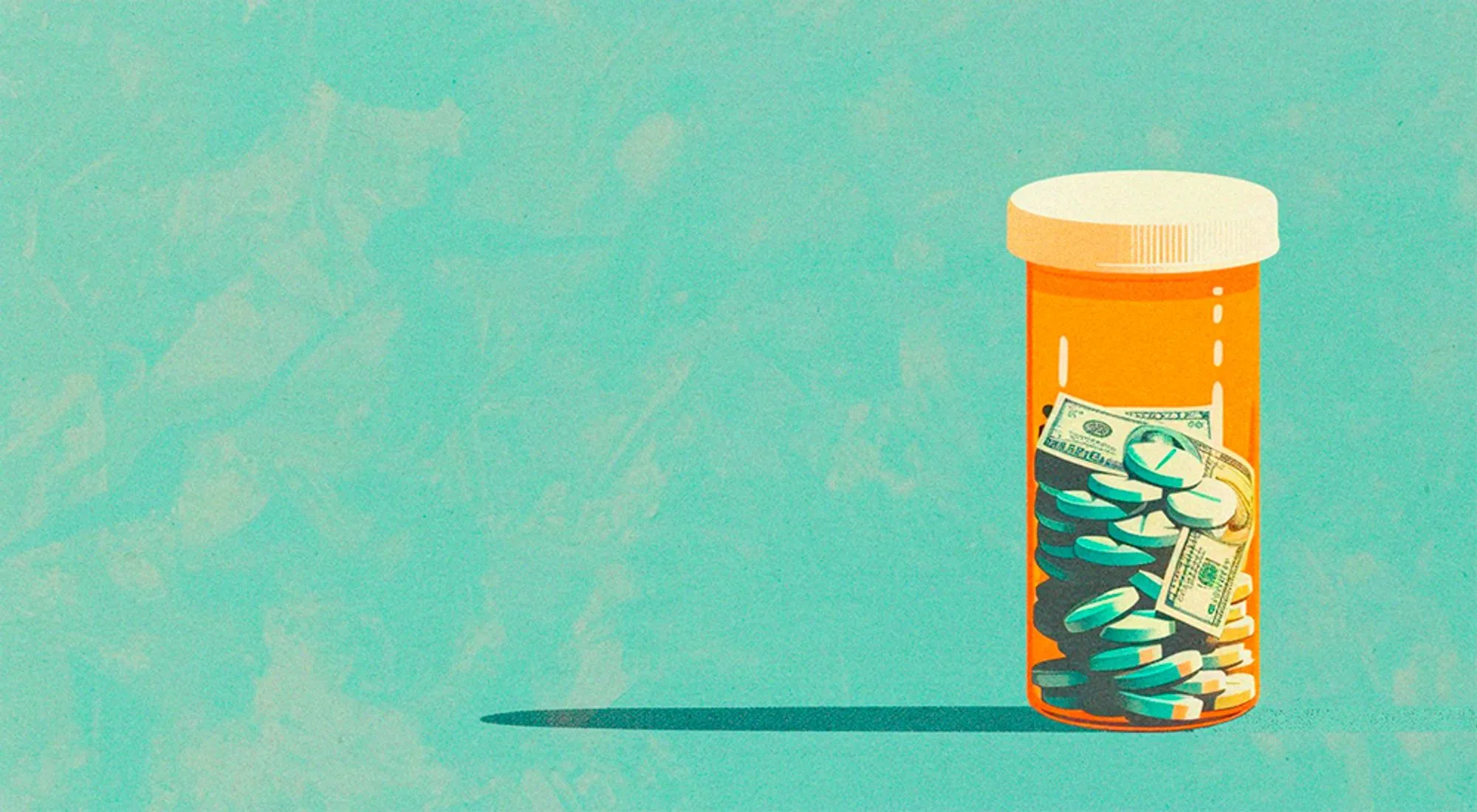
The Inflation Reduction Act (IRA) might have one of the most clever names in US politics — but industry pundits fear that one of the Democrats’ crown achievements could backslide into being an Innovation Reduction Act. Passed in 2022, the IRA took aim at every facet of American life, from fuel prices to supply chain dynamics. However, its potential long-term impact on the pharmaceutical industry stands out.
Healthcare haircut: The IRA sets price caps at $2 for certain common generic drugs at $2 and limits insulin costs to $35 per month, aiming to reduce out-of-pocket expenses for Medicare enrollees. But the IRA’s biggest opportunity is at the negotiating table — where the government could finally target prescription drug prices for the first time. GoodRx reports a 37% increase in branded drug prices since 2014, prompting the Department of Health and Human Services (HHS) to initiate negotiations for the “most widely used and expensive drugs” available to Medicare patients.
- In August, HHS began negotiating prices for the top ten most-used drugs — with new prices expected to take effect in 2026.
- The agency plans to negotiate prices for at least 20 popular drugs every year, potentially saving billions annually for both Americans and the government.
Rx for the Problem
The IRA could offer Americans reprieve from expensive drugs, but there’s no such thing as a free lunch. Analysts warn that cost controls may limit pharma companies’ ability to recoup the billions in R&D spending that it takes to bring new drugs to market — which could have adverse side effects.
- Researchers at USC’s Health Policy & Economic Center say that the IRA could lower pharma revenues by 31% through 2039 — potentially leading to 135 fewer new drug approvals.
- Legal experts at Kramer Levin warn that the IRA could “discourage companies from pursuing” lesser-known or rare diseases.
Cost-cutting, government edition: As HHS continues its first round of drug price negotiations, the full impact on pharmaceutical revenues remains uncertain. Drugs on the initial negotiation list, such as Bristol Myers Squibb’s Eliquis, Eli Lilly and Boehringer-Ingelheim’s Jardiance, and Jannsen’s Xarelto, cost Medicare over $50B from Jun. 2022 to May 2023. But by 2026, the industry could be waking up to a new reality.

