The Music Industry Is Booking Record Revenue — But Big Labels Aren’t the Big Winners
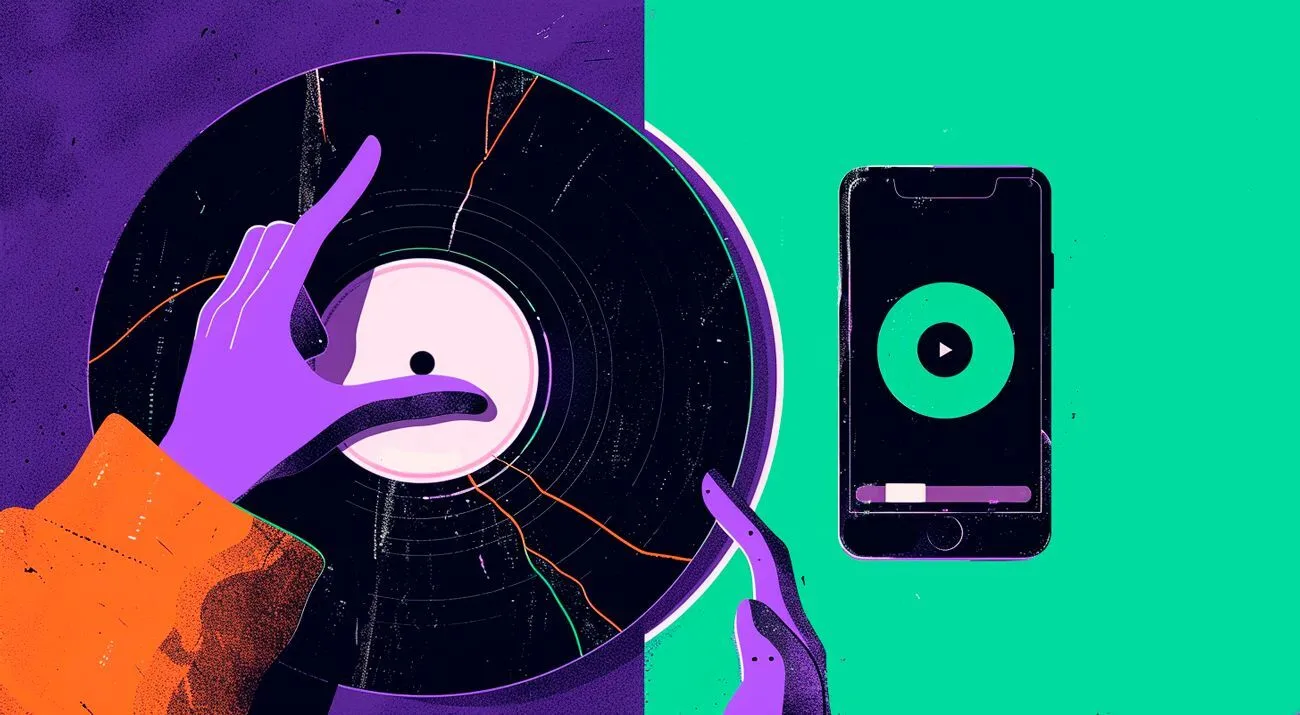
Y2K may not have destroyed the world, but technology sure did a number on the music industry. In 1999, the recorded music industry saw record revenues, but soon after, piracy services like Napster caused CD and cassette sales to collapse. Even digital downloads couldn’t stop the decline. Alas, in 2008, the industry thought it found its solution in streaming services like Spotify, but now, even streaming has created new challenges.
SPOT the problem: According to Omdia, music industry revenues reached a record $45.5B last year — their 10th consecutive year of growth, nearly double the profits seen in 2014. Most of that money went to record labels, publishers, and artists/songwriters. However, while the earnings line is going up, many music giants are facing the threat of diminished influence — simultaneously assaulted by aging catalogs, new entrants, and the very streaming firms they helped create.
- In recent months, entertainment labels like Universal Music Group and Warner Music have reported disappointing earnings results — and even more disappointing outlooks due to slower streaming service growth.
- Smart money suggests that large labels could acquire fast-growing distributors — better positioned for international music and indie growth — but big label tie-ups have been rare due to beefy valuations and new competition from private investors.
War of the Worlds
According to Spotify’s annual Loud & Clear report, about half of streaming revenues were generated by DIY artists and indie labels last year — a significant milestone in the decline of major labels. While this is empowering for smaller labels and artists, the waning influence of legacy businesses bodes poorly for the industry overall.
- Major labels helped create streaming services and kept them in check, but as their influence fades, Spotify has shown more muscle in royalty negotiations and legal maneuvering.
- In recent years, Spotify has filed lawsuits to dispute higher royalty rates, charged artists for more exposure, and raised subscription rates aggressively.
Don’t like the sound of that: Some of Spotify’s recent changes have spurred legal action from the legacy industry, which is now more divided than ever. While labels have won lawsuits in the past, the environment is increasingly hostile — just like it was 24 years ago. The industry is changing, and investors are paying attention — and are down 15% and 11% YTD, while Sony is up just 4%.

