The Dupe Loop is Churning Out Knockoffs at a Rapid Rate, and Brands Aren’t Happy
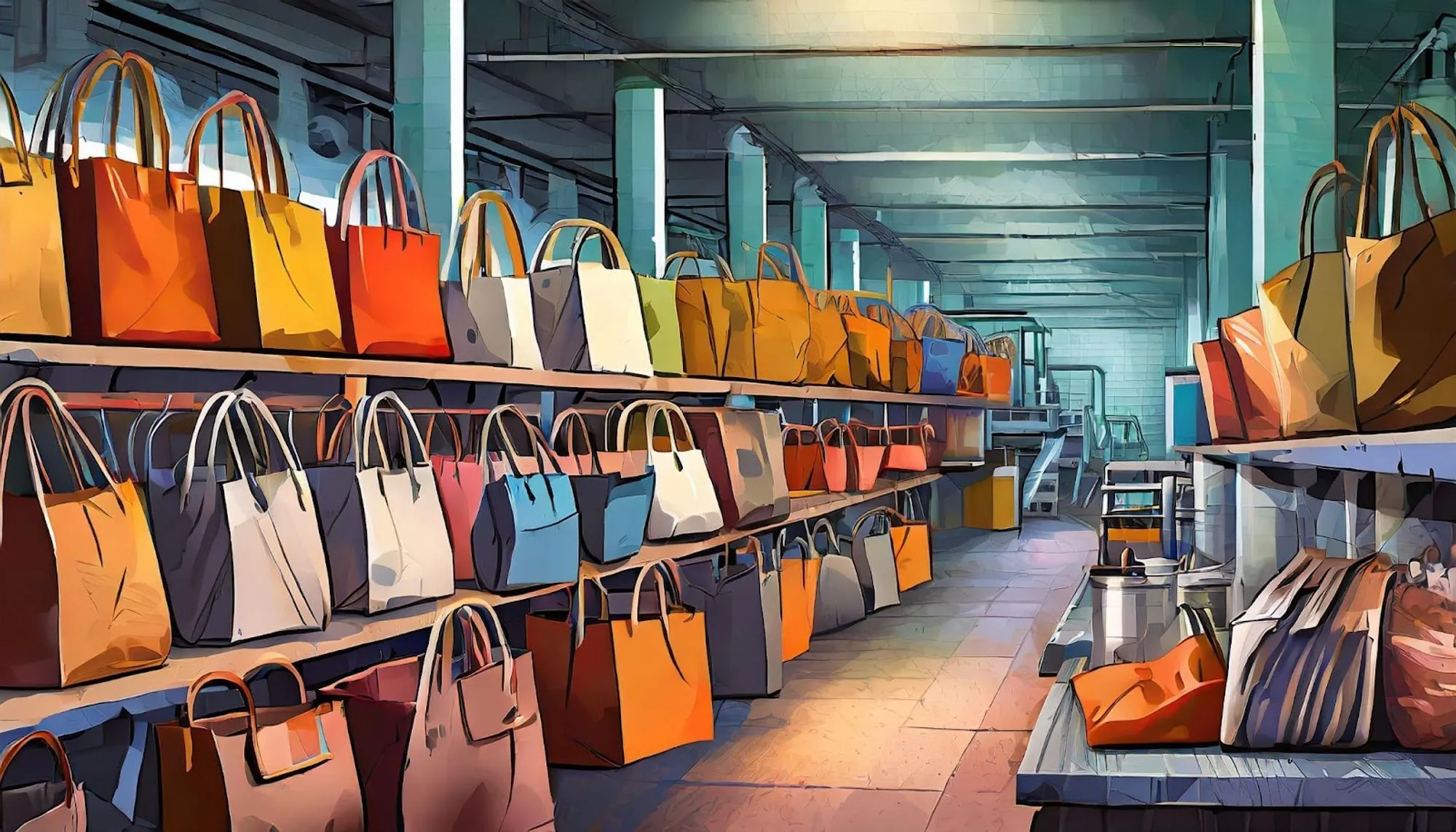
Originals may have the name, but knockoffs have the game. Often dubbed as dupes, these affordable alternatives to high-end products have been around a while, yet their prominence has surged, thanks to the influence of social media. The #dupe trend, hitting over 6.7B views on TikTok, prompted Louis Vuitton owner LVMH (OTC:LVMHF) to announce a partnership with TikTok last week to combat counterfeits.
Why are dupes so hot right now? While previous generations associated luxury items like Cartier and Gucci as status symbols, today’s younger demographics prioritize looking good without breaking the bank. Traditional brand loyalty is taking a back seat in favor of cheaper replicas.
- According to Morning Consult, intentional dupe purchases in the US are notably high among Gen Z adults (49%) and millennials (44%), compared to only ~31% of all US adults.
- 49% of dupe shoppers have an annual household income below $50K, with 67% citing saving money as a crucial factor to opt for dupes.
How are brands battling dupes?
Luxury brands are feeling the pinch as more price-sensitive shoppers jump on the dupe train. E-commerce giants like Amazon (NASDAQ:AMZN), eBay (NASDAQ:EBAY), and Etsy (NASDAQ:ETSY) have inadvertently contributed to the surge in dupe sales, diverting potential luxury customers. Although Amazon claims to restrict the use of words like “dupe” or “fake,” to describe products, some listings slip through — and brands are fighting back.
- Birkenstock (NYSE:BIRK) has kept its products off third-party platforms like Amazon due to the widespread selling of knockoffs.
- UGG’s parent company, Deckers (NYSE:DECK), is suing Costco for patent infringement over children’s furry ankle boots that closely resemble UGG’s Classic Ultra Mini.
Mass copy and paste: Fast fashion has exacerbated the “dupe” problem, with brands finding their designs replicated by fast-fashion retailers. The rise of platforms like SHEIN has shortened the time it takes to get knockoff versions of popular products to market. Meanwhile, influencers receive affiliate fees for promoting these products — sending the retail world into a vicious dupe loop.

