Strait of Hormuz Blockade Drives Brent Past $110 and Sends Global Bond Yields to Multi-Year Highs
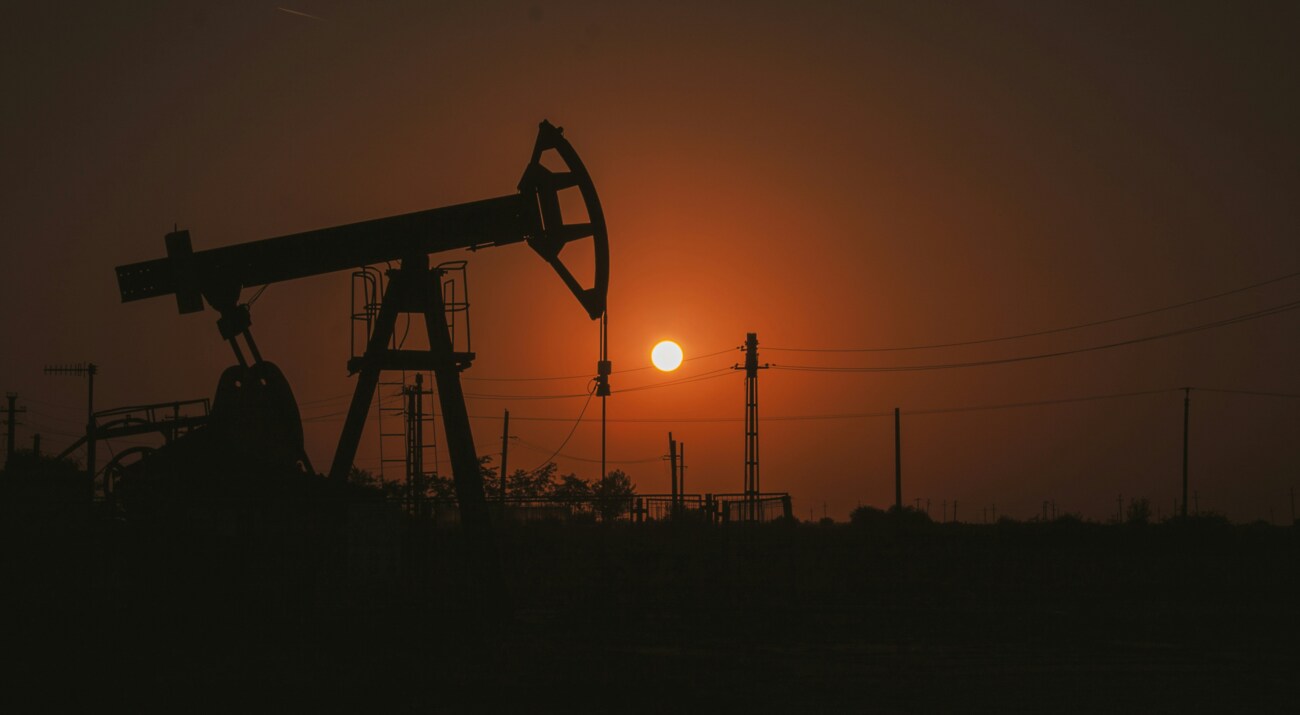
Brent crude closed at $112.10 on Monday as strategists warned physical oil shortages could strike Europe within days.
Global bond yields simultaneously hit multi-year highs across the US, UK, Germany, and Japan.
Jeff Currie, executive co-chairman at Abaxx Commodity Exchange, told CNBC that shortages could hit "any day now."
He said prices could go non-linear once inventories run dry. Global stockpiles may not recover until December 2027.
Societe Generale analysts said oil markets are running on a "veneer of stability" while the underlying system remains "acutely stressed." Only a small share of global stocks is usable without pushing the system into operational stress, the analysts added.
Flows through the Strait of Hormuz handle roughly a fifth of global oil and gas supply and have been severely constrained since Feb. 28. Even a reopening by early June would still mean at least a 52-day delay before physical relief arrives.
A late June reopening pushes meaningful normalization to September, per Societe Generale. A longer delay could drive prices toward $150 per barrel. Currie said the price of oil matters less than its availability, per CNBC.
Bond Markets Register the Shock
The 10-year US Treasury yield hit its highest level in 15 months on Monday.
- The 30-year rose to 5.133%.
- Japan's 30-year yield hit its highest level since 1999.
- The UK's 30-year gilt reached its highest since 1998.
Will Hobbs, chief investment officer at Brooks Macdonald, said inflation will be a tricky, annoying problem for central banks and bond investors, per CNBC.
Options activity in the iShares 20+ Year Treasury Bond ETF confirmed the scale of institutional anxiety.
Trading volume ran more than 3x the past month's daily average on Friday, with 1.4M contracts changing hands.
Roughly 380K were puts bought at the ask or above. One trader spent $2M on 15,000 June 75-strike puts, betting TLT falls another 11% by June 17. That would put the fund at its lowest level since its 2002 launch.
G7 Scrambles for a Coordinated Response
G7 finance ministers convened in Paris on Monday to contain the economic fallout, per The New York Times.
Treasury Secretary Scott Bessent called on allies to enforce the Iran sanctions regime and cut off financing for the Iranian war machine.
Bessent also extended a 30-day license allowing the most vulnerable nations to purchase Russian oil currently at sea. He called it a step to stabilize the physical crude market.
"Don't put in place measures that would make the situation worse," said IMF Managing Director Kristalina Georgieva.
The IMF warned last month that Middle East oil disruptions could slow global growth and raise the risk of recession.
Until the Strait reopens, the Hormuz blockade is setting the floor for energy prices and the ceiling for rate relief heading into the second half of 2026.

