Snap Unveils Specs AR Glasses as Spiegel Bets on Post-Smartphone Computing
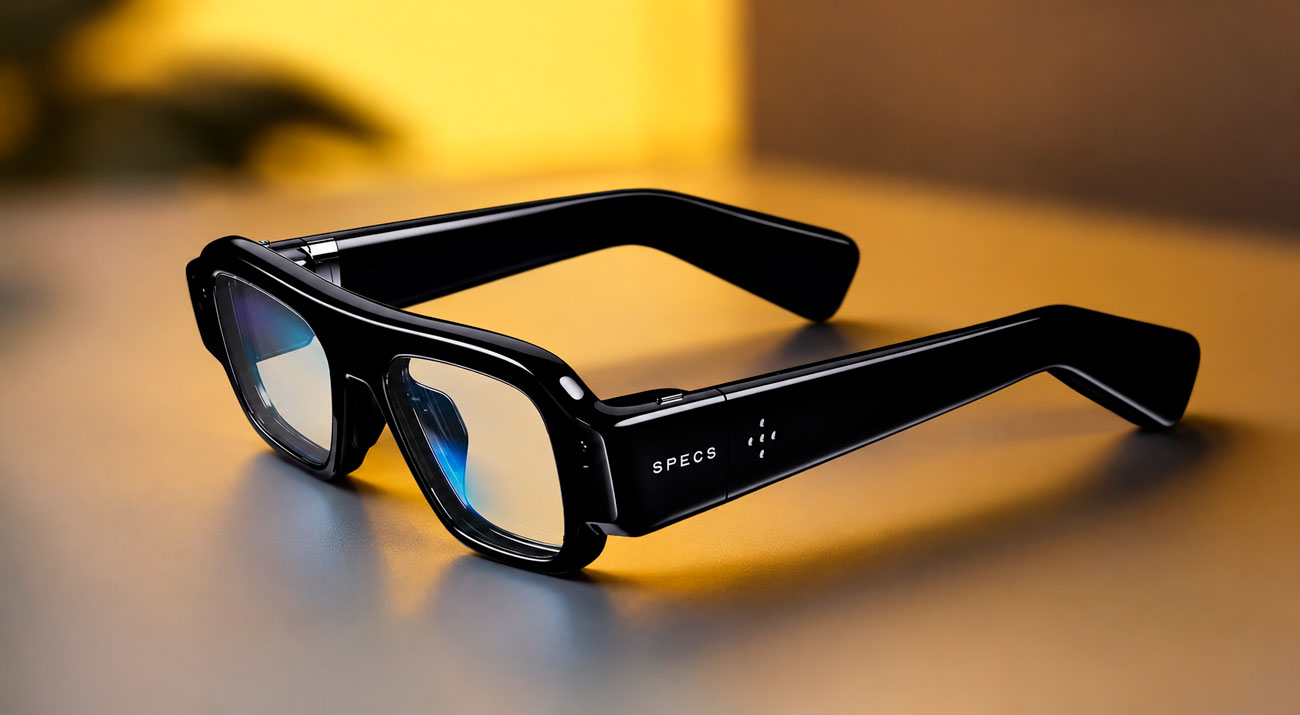
Snap unveiled Specs, its first augmented reality glasses built for the general public, priced at roughly $2.2K. The glasses are set to ship this fall in the US, UK, and France.
CEO Evan Spiegel debuted the device at Augmented World Expo 2026 in Long Beach, pitching it as the successor to smartphone-era computing. Spiegel told CNBC that consumers are ready to think about computing differently, nearly 20 years after the iPhone launched.
Specs are fully standalone, running on two Snapdragon processors. The display delivers a 51-degree field of view. Battery life runs up to four hours, with the included charging case extending total use to 20 hours.
Snap Is Entering a Crowded and Expensive Race
Specs cost more than 6 times Meta's Ray-Ban smart glasses, which start at $350, and sit well below Apple's Vision Pro at $3.5K.
Meta's Reality Labs still loses money despite the Ray-Ban line finding a broader audience. Google recently revealed its own AI-powered glasses developed with Samsung and eyewear brands Warby Parker and Gentle Monster.
Spiegel dismissed audio-focused competitors, calling them "very lightweight glasses that really don't do much."
Snap created a subsidiary called Specs Inc. earlier in 2026 to house the glasses program, separating it from the core Snapchat business. The company has filed more than 7K patents during Specs development and spent over a decade building toward this launch.
Developers can already publish AR effects called Lenses for the device, and Snap is rolling out agentic development tools through integrations with Anthropic's Claude Code, OpenAI's Codex, and Cursor.
The Business Case Remains Unproven
Snap has not posted a consistent annual profit since going public, and its stock fell roughly 4% the day Specs was announced. The company also conducted layoffs in April 2026.
IDC research manager Jitesh Ubrani said it was the worst time for any company to launch a premium product.
Snap says it is targeting tech enthusiasts, developers, and studios first — a pragmatic starting point given the roughly $2.2K price tag. At that level, mainstream adoption remains a distant goal, and the broader smart glasses market has yet to produce a profitable business for anyone.

