P&G’s Brand Power Play Leaves Unilever Playing Catch-Up in Consumer Goods Battle
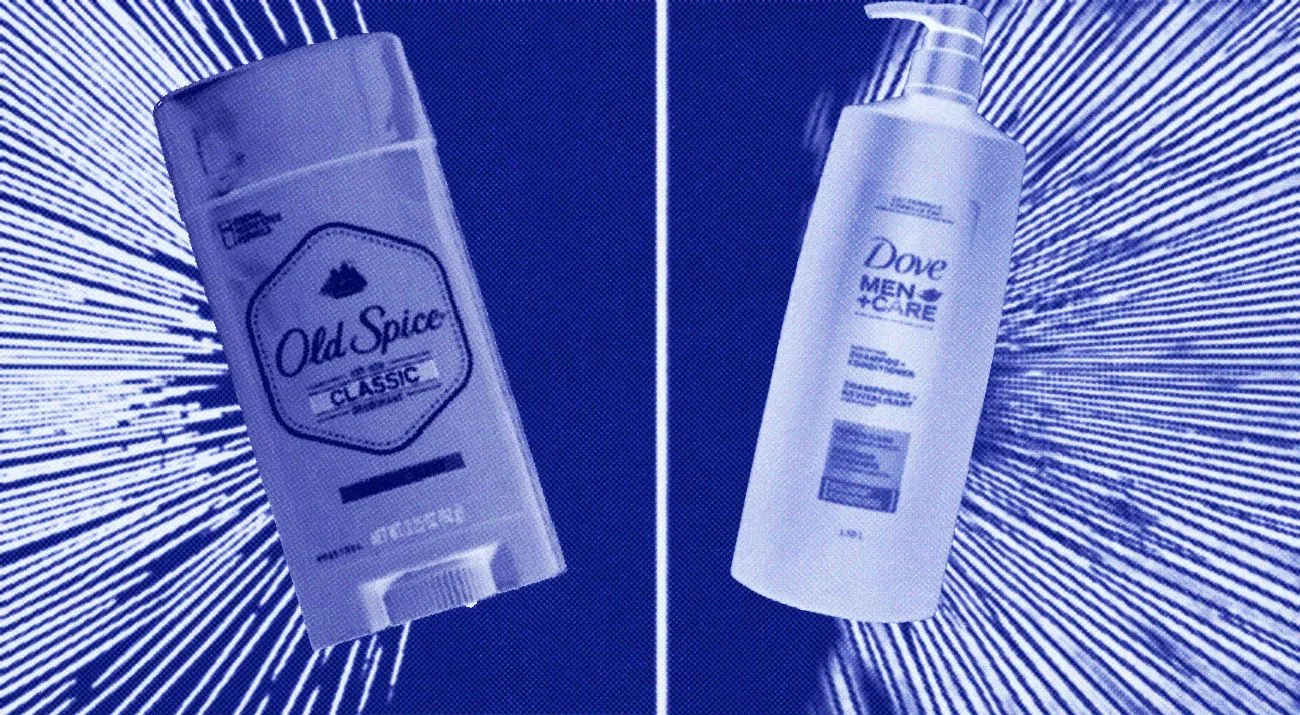
In the century-old rivalry between consumer giants, Procter & Gamble has scrubbed away Unilever’s market advantage through a surprisingly simple strategy: reinforcing its commitment to its core products. After trailing in the early 2010s, P&G engineered a comeback by prioritizing everyday essentials like Tide, Pampers, and Old Spice. This shift helped P&G’s stock surge over 100% in the past decade, while Unilever’s shares mustered just a 40% gain.
- P&G’s “irresistible superiority” strategy — enhancing product formulations, packaging, and pricing — has driven record profits and market share gains in North America.
- Meanwhile, Unilever is still tackling issues in its food division, which accounts for about one-third of its revenue, by planning to divest over $1.5B in underperforming food and local brands.
Battle lines redrawn: While both consumer giants grapple with cautious spending and economic challenges in China, P&G seems better equipped for the uncertain year ahead. Its efficiency initiatives are set to deliver up to $1.5B in cost savings, while its digital transformation could generate an additional $200M to $300M in savings. However, currency fluctuations and the impact of prior divestitures might lower earnings by about 20 cents per share, potentially keeping results at the lower end of projections. Despite these challenges, P&G’s streamlined portfolio has positioned it advantageously in the race for volume growth, even as consumers tighten their belts and retailers resist price hikes.

