Mutual Funds Are Heading For Retirement After Century-Long Run — And ETFs Are Up Next
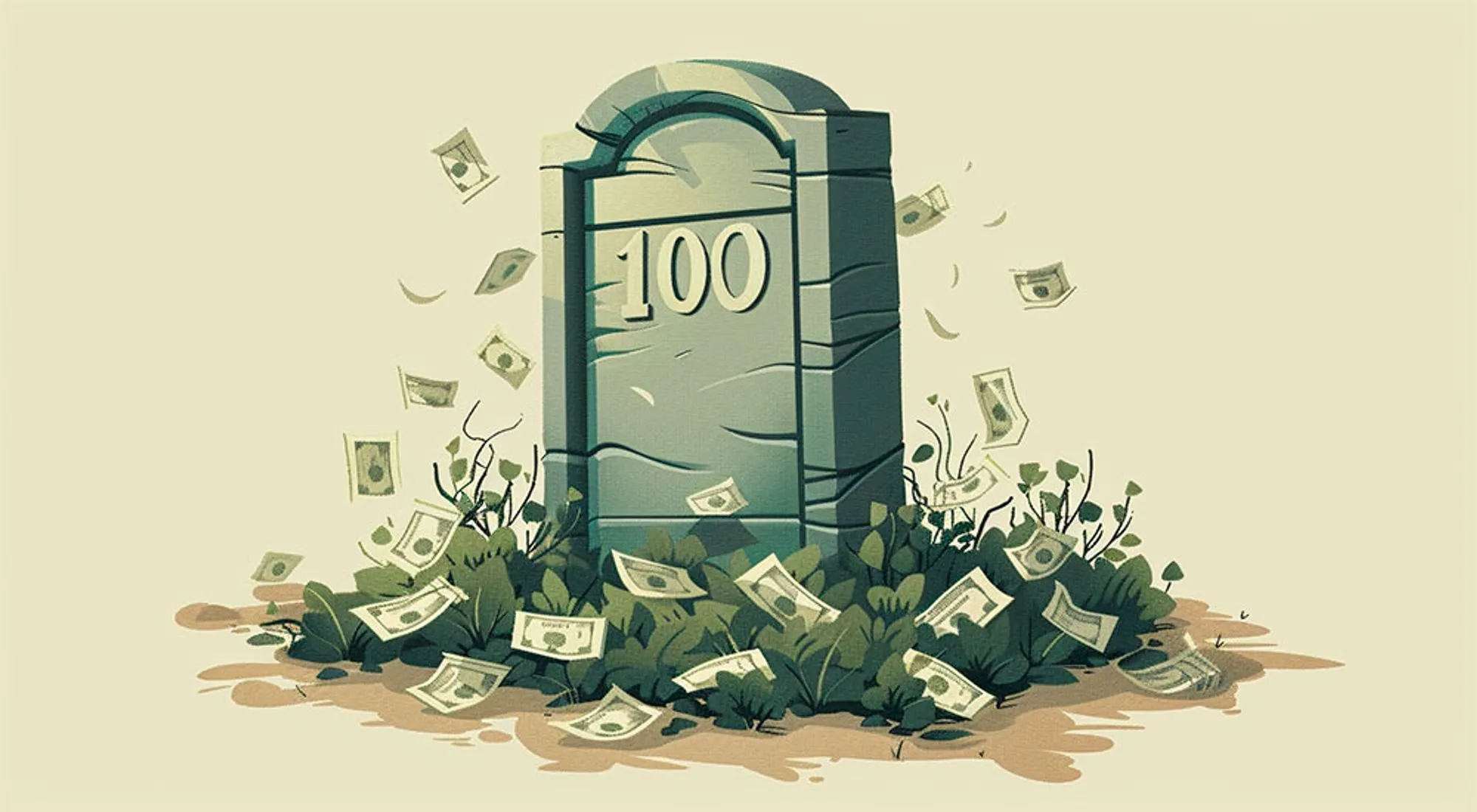
Mutual funds, the famous investment vehicle that helped Main Street access the stock and bond market, have just celebrated a generational milestone by reaching 100 years. Today, over half of US households own a stake in corporate America through mutual funds, primarily held in 401(k)s and IRAs, replacing the once-popular pension plans as a cornerstone of American wealth.
However, despite their instrumental role in America’s century-long rise into an economic superpower, the country’s greatest financial invention may finally be heading to the graveyard.
Time to retire: Since the start of 2021, over $1.3T has exited mutual funds — a trend expected to continue thanks to the rise of passively managed exchange-traded funds (ETFs). Money managers have embraced these alternatives, which offer lower fees, tax advantages, and transparent pricing.
- Since 2014, US ETF assets have quadrupled to $8T, with iShares reporting that ETFs now account for as much as 13% of US equity assets and 2.8% of US fixed-income assets.
- Morningstar’s John Rekenthaler, who has been tracking mutual funds since the ‘80s, believes it’s unclear what “a mutual fund can do better than [an] ETF” — expecting mutual funds to eventually die.
Passive problems
While some older investors may still prefer mutual funds, the growing appeal of ETFs, particularly due to their lower fees and ease of trading, signals a significant and positive shift. But that doesn’t mean they come without consequences.
- Concentration: Most ETFs track indexes like the S&P 500, Russell 2000, and Nasdaq-100 — resulting in fewer companies owned by more investors.
- Frontrunning: Institutional investors could game index changes by buying before companies are added to the index and selling right after their inclusion. (See: Tesla and Super Micro.)
- Selection: Investors may face limited and weaker choices, especially in small and mid-cap stocks, where active managers have “higher odds of success,” according to Morningstar.
Snooze-worthy investing: If mutual funds sound boring (but safe) to you, passive ETFs could potentially lead to even more “terribly boring” markets, as noted by Morningstar’s Jose Garcia-Zarate. However, “boring” in investing often translates to lower returns and higher volatility in markets — but also stability. And that’s all for Boring Money With The Average Joe.

