Money is the Message As Global Consumers Embrace Economic Activism to Send a Message to Companies, Governments
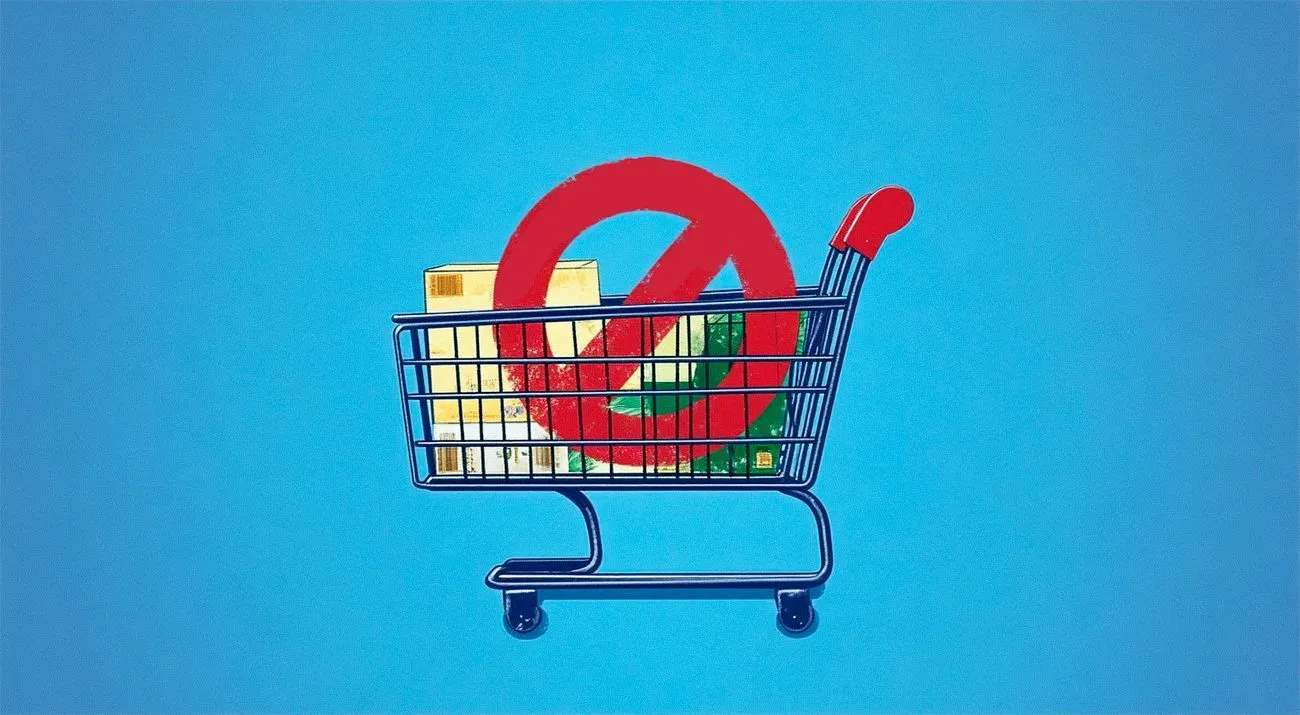
The Joker said that his madness wasn’t about money — it was about sending a message. But when it comes to the free market, money is the message. Whether it’s conservatives trying to make “woke go broke,” progressives participating in a “buy-cott” or “economic blackout,” or begrudged Canadians and Europeans shunning US goods because of trade policy, more are making their grievances known through the power of spending — or the lack thereof. Is it working?
More American than apple pie: The concept of consumer activism is nothing new, but elevated by social media and online communities, where and how people spend their hard-earned cash is increasingly at the forefront of cultural consciousness. In the past, we’ve extensively tackled how conservatives successfully wielded protest to pressure big brands into abandoning DEI and ESG — although, sometimes, with varied success. And to start 2025, protests on the other side of the aisle are taking aim at every aspect of the US economy in an effort to send a clear signal to firms that have yielded to conservative pressure.
- On Feb. 28, progressives hosted a one-day economic blackout, withholding spending at key businesses and encouraging consumers to participate in a “buy-cott” of only buying from companies that support their ideals.
- Although results from the wide-reaching one-day protest have been mixed, ongoing demonstrations are taking aim at companies like Target, Tesla, and Home Depot.
Protests Continue
Conservatives were largely effective by remaining steadfast in their commitment to rallying against specific businesses, but for progressives, a one-day protest won’t likely be enough to move the needle. That’s why its organizer, The People’s Union USA, is conducting a longer protest. And other groups, such as the Latino Freeze Movement and Black Wall Street Ticker, are joining in with their own angles of attack.
- In addition to avoiding targeted brands, the movements have created a list of “OK” companies to spend with — including firms like retailer Costco, airline Delta, and tech giant Apple.
- All of the movements also emphasize shopping locally, buying or trading secondhand goods, and supporting businesses run by groups affected by current policy.
The takeaway: We’ve covered the successes of right-leaning protests and some of the failures because a balanced analysis of consumer behaviors is good praxis. As such, we’ll be keeping an eye on brands targeted by progressive boycotts and “buy-cotts” for signs of their impact on individual stocks and the economy in aggregate. However, regardless of where you fall on the political spectrum, taking stock of where you spend your time, money, and energy is a completely individual exercise — and whether you consider price, values, or proximity in your consumption is entirely up to you. As with anything, do your research to decide which brands you wish to support — and which you don’t.

