Micron: The Chipmaker That Turned a Shortage Into a Competitive Moat
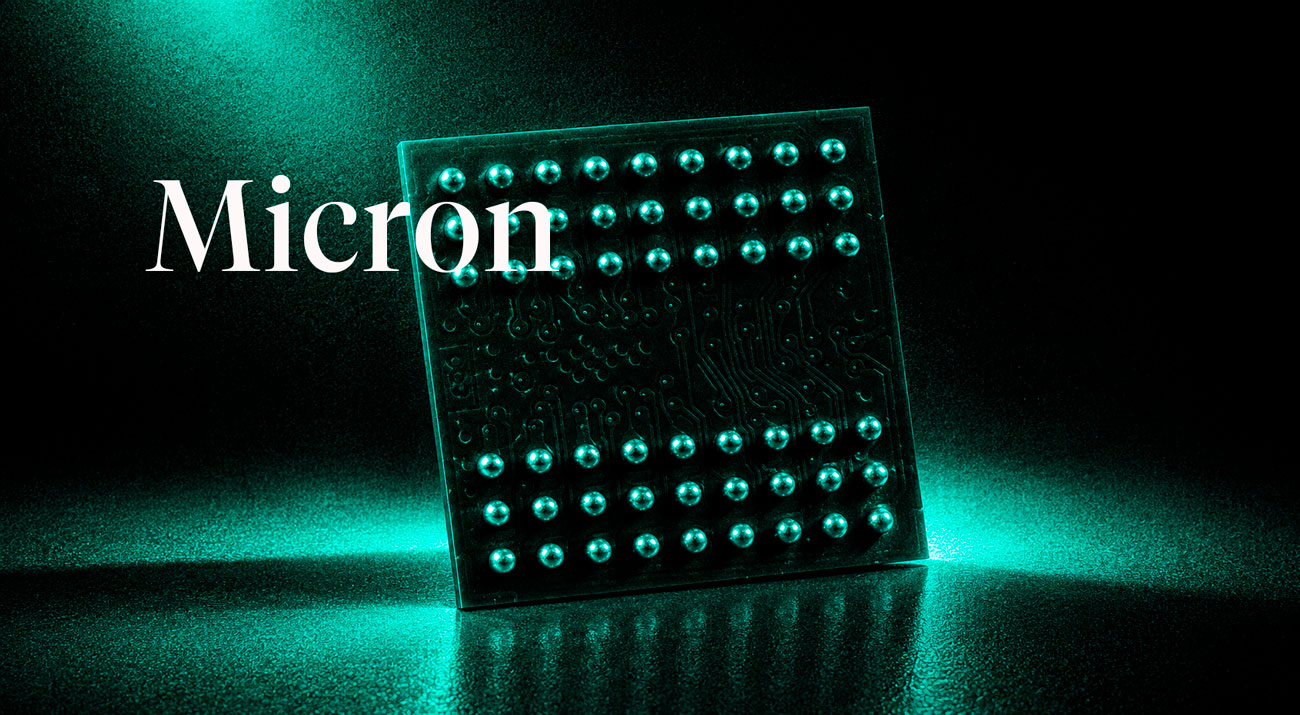
Micron Technology started in a dentist's basement in Boise, Idaho, funded by a potato baron and a handful of businessmen persuaded over lunch. That origin story reads like a punchline but the company is now worth $1.3T.
Three years ago, Micron was losing money. Recently, it reported a 346% revenue surge and a quarterly profit of $28.2B, nearly 15 times what it earned in the same quarter last year.
Chasing memory supply
High-bandwidth memory (HBM) has become one of the most important components in AI infrastructure. The technology stacks multiple memory chips to move data fast enough for large language models, and only three companies produce it at scale: Micron, Samsung, and SK Hynix. Together, they control about 95% of the global DRAM market.
That supply remains tight. DRAM prices rose more than 60% sequentially in recent quarters, with Morningstar's William Kerwin saying much of the revenue growth is falling through as nearly "pure profit."
The Wall Street Journal reported Micron expects shortages to persist beyond 2027, with CEO Sanjay Mehrotra saying the company has "no line of sight" on when supply will catch up. The company has also signed 16 long-term supply agreements, including one with Anthropic, that Stifel analyst Brian Chin expects will keep pricing above historical highs for years.
The budding threats
More supply is on the way. Samsung and SK Hynix have committed a combined $518.6B to new chip manufacturing hubs in South Korea. If that capacity eventually floods the market, HBM prices could fall, and Micron's margins would come under pressure.
Investors may have time before that happens. Micron's own $100B New York fab, announced in 2022, isn't expected to begin production until 2030.
That leaves Micron tied to one question: how long will the AI spending boom last? Goldman Sachs estimates AI infrastructure stocks will generate nearly 60% of S&P 500 earnings growth this quarter, with Micron and Nvidia contributing a large share.
The same dependence that has fueled Micron's rally could quickly become a headwind if AI spending slows.
Breaking the cycle
For decades, Micron traded like a commodity company. Memory prices were volatile, margins swung with supply, and investors treated every upcycle as temporary.
AI has changed that equation. Long-term supply agreements, a three-company HBM market, and sustained demand from hyperscalers have made earnings more predictable than in past cycles.
Even after this year's rally, Micron trades at about 9.2 times forward earnings. That valuation still reflects much of the old boom-and-bust narrative, even as the company locks in multi-year supply agreements with some of the largest AI customers.
If AI infrastructure spending holds up, investors may have to rethink what kind of company Micron has become.

