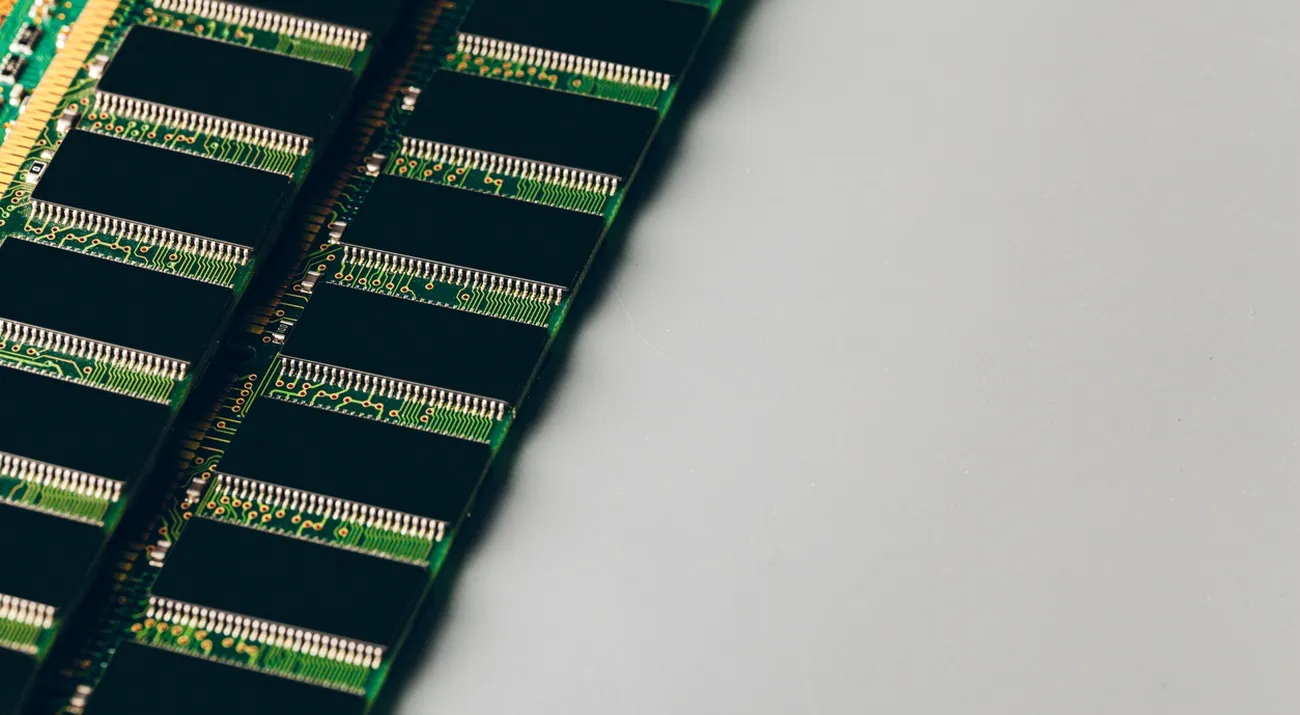
Memory chip prices have risen more than sixfold over the past year, reversing a decades-long trend of falling memory costs and setting off what Wall Street is now calling "chipflation."
The US Producer Price Index for electronic components and accessories jumped 27.6% in June from a year earlier, the largest increase in government records dating back to 1966, eclipsing even the pandemic-era supply crunch.
AI hyperscalers including Meta, Microsoft, and Alphabet are locking up memory supply years in advance through long-term agreements, leaving traditional PC and smartphone makers competing for a shrinking pool of chips at sharply higher prices.
Morgan Stanley analyst Erik Woodring upgraded his US IT hardware industry view recently, citing a dynamic he's calling "Fear of Missing Procurement."
Enterprises aren't waiting for prices to cool. They're accelerating purchases of servers, PCs, and storage arrays to lock in supply before costs climb further. Woodring's proprietary survey showed pull-forward buying and AI-related capacity expansion driving server and storage growth to all-time survey highs expected in 2027.
The picks and shovels
He's bullish on Hewlett Packard Enterprise, TD Synnex, and Lenovo, favoring storage names over servers and PCs.
Still, Woodring flagged that hardware stocks are up over 100% since the start of 2025 and trade at roughly 25x price-to-earnings, nearly double the prior peak multiple, warning the cycle could roll over starting in 2027.
JPMorgan strategist Jay Kwon struck a similar tone, saying the supply-demand shortage in memory chips could persist for at least two more years.
"Memory demand broadening out from GPU to CPU appears to have been underestimated by investors and remains a key source of potential upward revisions to demand."
Jay Kwon, JPMorgan
Morgan Stanley estimates that servers will account for 59% of global DRAM demand by 2028, up from 37% in 2023.
The amount of high-bandwidth memory deployed across an AI data center buildout has jumped from roughly 10 terabytes in 2020 to about 18 petabytes in 2026.
Supply pinch reaches consumers
For everyday buyers, the cost of this shortage is starting to show up in electronics prices. Morgan Stanley forecasts the memory crunch could add roughly 0.10 percentage points to US headline inflation this year, with a potential 15 percentage point increase in the CPI measure for PCs and smartphones.
Apple is already testing memory chips from Chinese maker ChangXin Memory Technologies as it seeks alternatives amid rising costs, though any such deal would require US government approval.
Sandisk CEO David Goeckeler said his company now has over four years of demand visibility from its largest customers, a telling sign of how long buyers expect this shortage to last.

