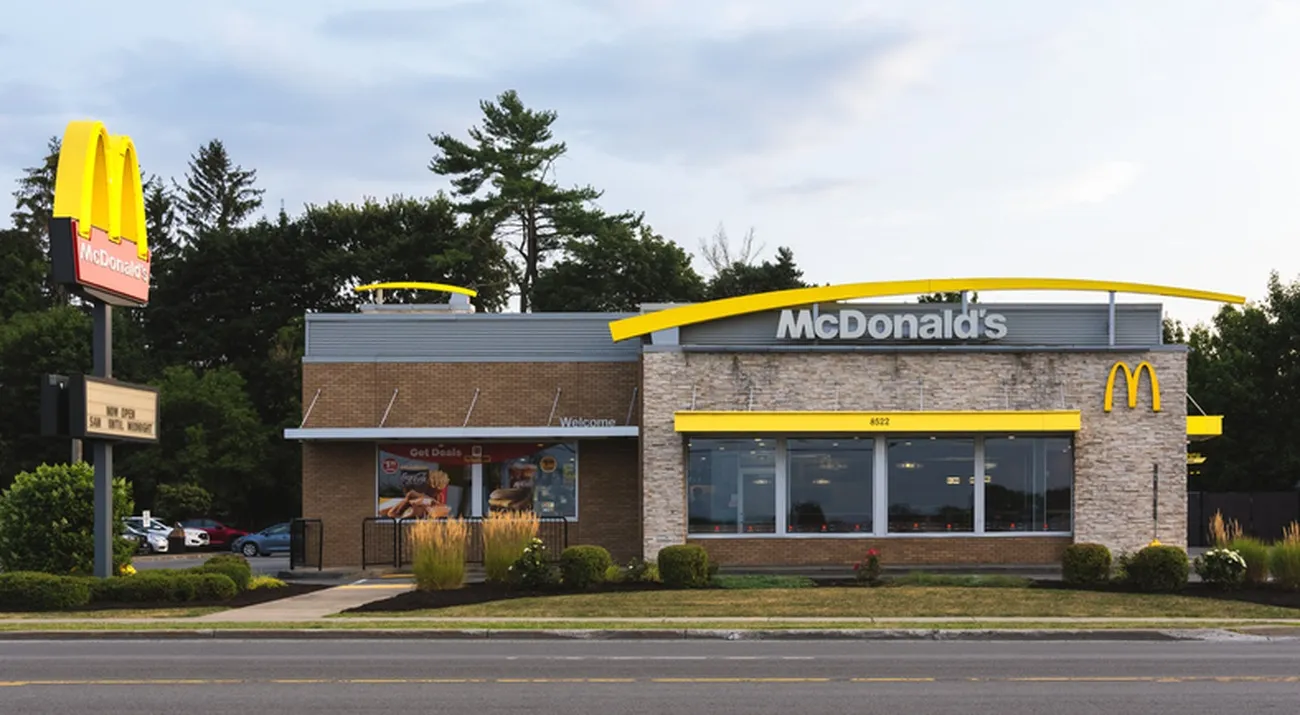
McDonald's was sued on Oct. 2 in federal court in Chicago in a proposed nationwide class action over its AI-powered menu pricing system.
The complaint alleges the company illegally coordinates menu prices across franchised and company-owned restaurants.
It accuses McDonald's of violating Section 1 of the Sherman Antitrust Act by conspiring with independent franchisees to fix prices using algorithms trained on nonpublic data.
The named plaintiff is Michael Thomas, a customer from Dekalb, Illinois, who wants to represent McDonald's customers nationwide.
Thomas says the machine-learning system has run since at least 2019, generating price recommendations across the chain's nearly 14,000 US restaurants.
"Independent businesses must set their prices independently."
Michael Thomas complaint, US District Court for the Northern District of Illinois
The pricing engine analyzes millions of daily transactions
McDonald’s uses machine learning to power its pricing system and analyze data from millions of daily transactions across those restaurants.
The system estimates how much customers at each location are willing to pay, then calculates an optimal price.
That has widened gaps between stores, including a 21% price difference for a Big Mac between two company-owned locations two miles apart in California.
Some store owners say the company pressures them to adopt the tools, even as McDonald's maintains franchisees are free to set their own prices.
The lawsuit ties the system to the chain's sticker shock, citing McDonald's own statement that prices increased 40% between 2019 and 2024.
The complaint calls the result algorithmic price fixing aimed at customers already stretched thin.
McDonald's calls the claims speculative
The company rejected the allegations in a statement on Oct. 5. "AI does not set the price of a Big Mac or any other menu item," McDonald's said, calling the allegations speculative and uninformed.
It describes its AI tools as recommendation systems that account for local market conditions, with franchisees holding final pricing authority.
The company also said pricing recommendation tools and analytics are widespread across industries.
"The complaint is filled with inaccuracies and we will vigorously defend against this lawsuit."
McDonald's
The case lands as other fast-food companies turn to AI for pricing and operations, making the outcome a reference point far beyond one burger chain.
For investors, the risk is less about damages than about whether courts treat shared algorithms as a form of coordination between legally separate businesses. A ruling against McDonald's would force a rethink of pricing software now spreading through franchised retail.

