Americans Are Getting Pickier About Fun. Leisure Companies Are Starting to Feel the Squeeze
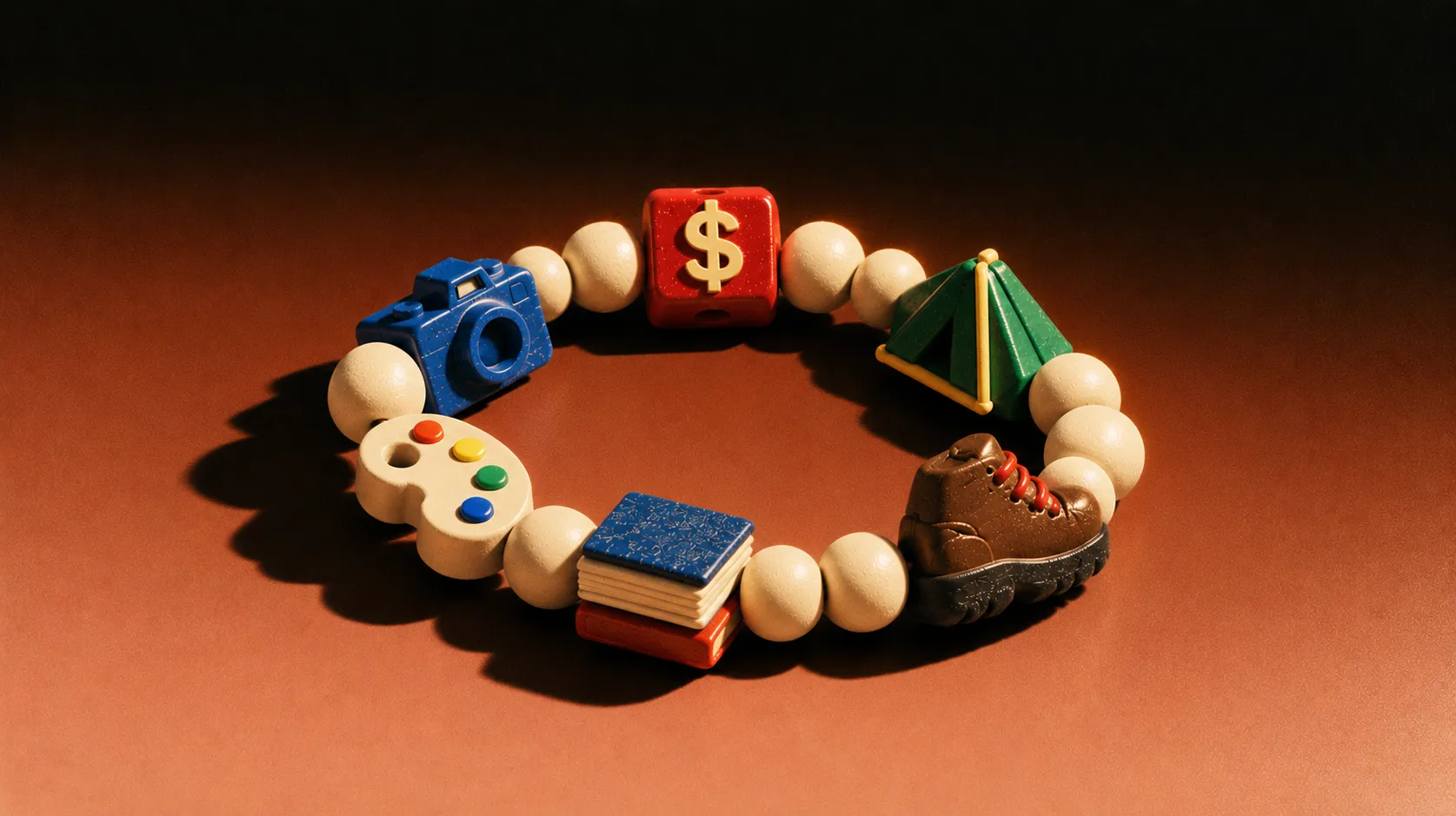
Americans are still spending on fun. They’re just getting pickier about what deserves the splurge. Hobbies are pulling in more dollars while bowling alleys, theme parks, and cruise lines face weaker demand, stressed debt, or both.
Hobby spending is outrunning inflation
Spending on hobbies grew 7.9% in August from a year earlier, according to Bank of America card data. Transaction counts rose just 3.4%, so higher prices only explain part of the increase.
That strength stretches from arts and crafts to skiing, hiking, camping, and scuba gear. Sales at sporting goods, hobby, musical instrument, and book stores rose 10.7% in the year through August, compared with 6% across total US retail and food services.
Older millennials spent more than twice as much per person on hobbies as Gen Z in the three months through August. For some households, the hobby itself may be replacing a much bigger expense.
"More hobbies at home might replace holidays away."
John Gathergood, University of Nottingham
Out-of-home venues are cracking
The other side of that trade is already showing up in credit markets. Dave & Buster's missed every major second-quarter metric after a steep drop in entertainment revenue, and its CEO left.
Its loan due in 2031 was last marked at 61.8 cents on the dollar, more than 15 cents lower in a month. Lucky Strike Entertainment was downgraded from B to B- by S&P Global Ratings this month after same-store revenue declined.
Theme parks are feeling it too. Six Flags Entertainment bonds have drifted lower since weak second-quarter results in August, when park attendance disappointed. As of Sept. 16, consumer discretionary carried a 6.7% distressed ratio, the second-highest of any sector.
There are exceptions. AMC Entertainment just posted its best quarter since the pandemic and is seeking nearly $4B of debt to rework its capital structure. But the pressure stretches well beyond bowling and amusement parks.
Cruise lines lose their premium
Cruises have a different problem: getting away has become much more expensive. Jet fuel reached $194 per barrel for the week ending Sept. 18, up 116% from last year's average, while US airfares jumped 26.5% in August.
That matters when customers often need a flight before they ever board the ship. Carnival, Royal Caribbean, and Norwegian have trailed the S&P 500 by 35% to 55% since the Iran fighting began.
The pressure is concentrated in the mass market. Luxury brands are holding up better, while middle-class customers have become more cautious and demand is leveling off as capacity grows.
All three major operators have fallen back to prepandemic valuations on forward enterprise value to adjusted cash flow. River cruises are flashing another warning, with Truist analyst Patrick Scholes pointing to weak 2027 bookings and potential pressure on oceangoing yields into early next year.
Jobs are moving the same way
The weakness is starting to reach payrolls. Leisure and hospitality employment fell by 40,000 in July, following a 43,000 decline in June.
Food services and arts, entertainment, and recreation drove both drops. Restaurant inflation has also outrun overall inflation, while wage growth in the sector cooled in July to its slowest pace since 2021.
The squeeze is sharpest further down the income ladder. ZipRecruiter economist Nicole Bachaud said affordability pressure is concentrated among middle- and low-income households even as overall consumer spending remains positive.
That pressure is showing up outside leisure too. Subprime auto lender America's Car-Mart reported a 27% drop in July car sales and is exploring asset sales.
Where the exposure sits
Even the companies selling the cheaper kind of fun haven't escaped Wall Street's reset. The Zacks Leisure and Recreation Products industry fell 29.9% over the past year while the S&P 500 gained 20.1%.
The group trades at 12.56 times forward earnings versus 20.1 for the S&P 500, near the bottom of its five-year range. Underneath that discount, individual businesses are moving in very different directions.
Escalade surged 66.1% over the past year after expanding into pet products and recreational games. Malibu Boats fell 15.6%, while Johnson Outdoors grew fishing sales 25% through the first six months of fiscal 2026.
Americans haven't stopped paying to have fun. But the further that fun gets from home, and the bigger the bill attached to it, the harder companies are having to fight for the same dollar.

